
What goes into building tiny homes? What to know as Sacramento County considers shelters
Plans for a new 100-unit tiny home community for homeless people in Sacramento County were delayed Tuesday because of concerns about a lack of communication on the project and neighborhood pushback.
The new tiny home community has raised several questions among officials about the scope of the project, including its cost, impact and construction timeline.
While some supervisors criticized the county’s public outreach efforts, others supported the proposal as an immediate measure to getting homeless Sacramentans off the streets. Meanwhile, some community members expressed they disapproved of the project’s location on Florin Road.
Here’s how tiny home villages generally work, what they cost and examples of where they’ve been built elsewhere:
First of its kind
The proposed neighborhood, known as the “Stay Safe Community,” would be the first of its kind in Sacramento County, representing a renewed effort by officials to tackle a growing homelessness crisis.
But this isn’t the first time a tiny cabin home village in Sacramento has been discussed. In a February 2020 meeting, Sacramento City Council approved of a 24-cabin shed community for homeless young adults, ages 18 to 24.
The cabin community, known as Emergency Bridge Housing at Grove Avenue, opened in June 2020. It primarily serves a place for homeless youth to shelter for the night, and provides them with job training and mental health services.
Over the last few weeks, occupancy in these cabins has been full, or close to full, according to weekly reports from the shelter website.
What do tiny homes provide?
Tiny home communities have been built in other California cities to address the amount of homeless people living on the streets and provide them with an immediate option for safe shelter.
In November 2021, the city of Los Angeles opened a 117 unit tiny-home village that could house more than 220 people. According to the Arroyo Seco website, tiny homes are “an innovative, affordable, and scalable solution” to homelessness.
“Unlike traditional shelter or affordable housing projects, tiny homes take a short time to build and assemble, at just a fraction of the cost,” the website says.
What’s in a tiny home?
At the proposed Stay Safe Community, which could house up to 125 people, the small pallet cabins come with a lockable door, and residents would be allowed to shelter with their pets. In addition, the 100-unit village would include 25 double-occupancy units for couples, according to Pallet, the company responsible for making the shelters.
The Seattle-based company has constructed many “rapid-response” shelter villages along the West Coast and a few in other parts of the country. Each tiny shelter can be constructed within an hour, according to the website.
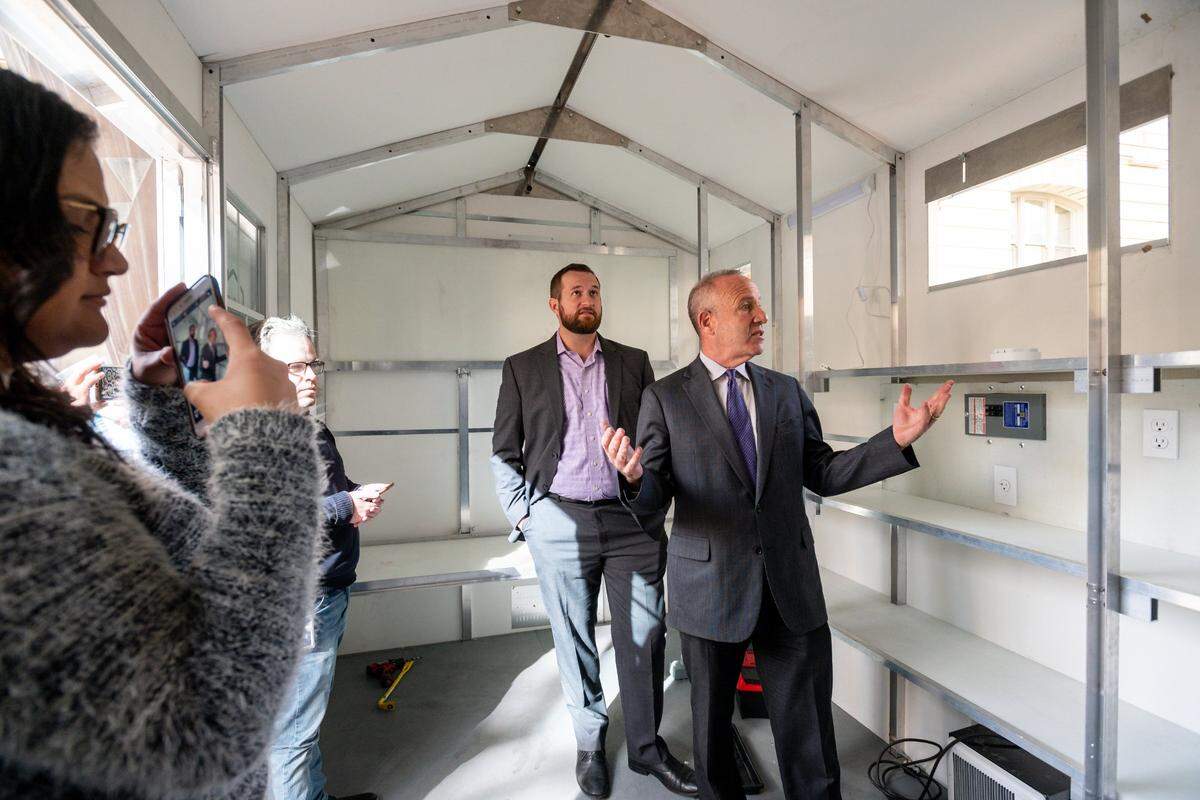
A single-unit tiny home itself would include a fold-up bunk bed, shelves, and an air conditioning system, according to Pallet. Bathrooms and showers would be located in a separate trailer.
And activists say that these features — which aren’t available at larger community shelter spaces — make the tiny-home community more attractive to homeless individuals.
How much does it cost to build?
There are several costs associated with the Sacramento County project. The proposal totals $7.7 million, according to the Sacramento County Board of Supervisors April 26 meeting agenda packet.
This cost can be broken down to around $6.5 million for the purchase and installation of the shelters, and around $1.2 million for the Department of Human Assistance to operate the community for two years.
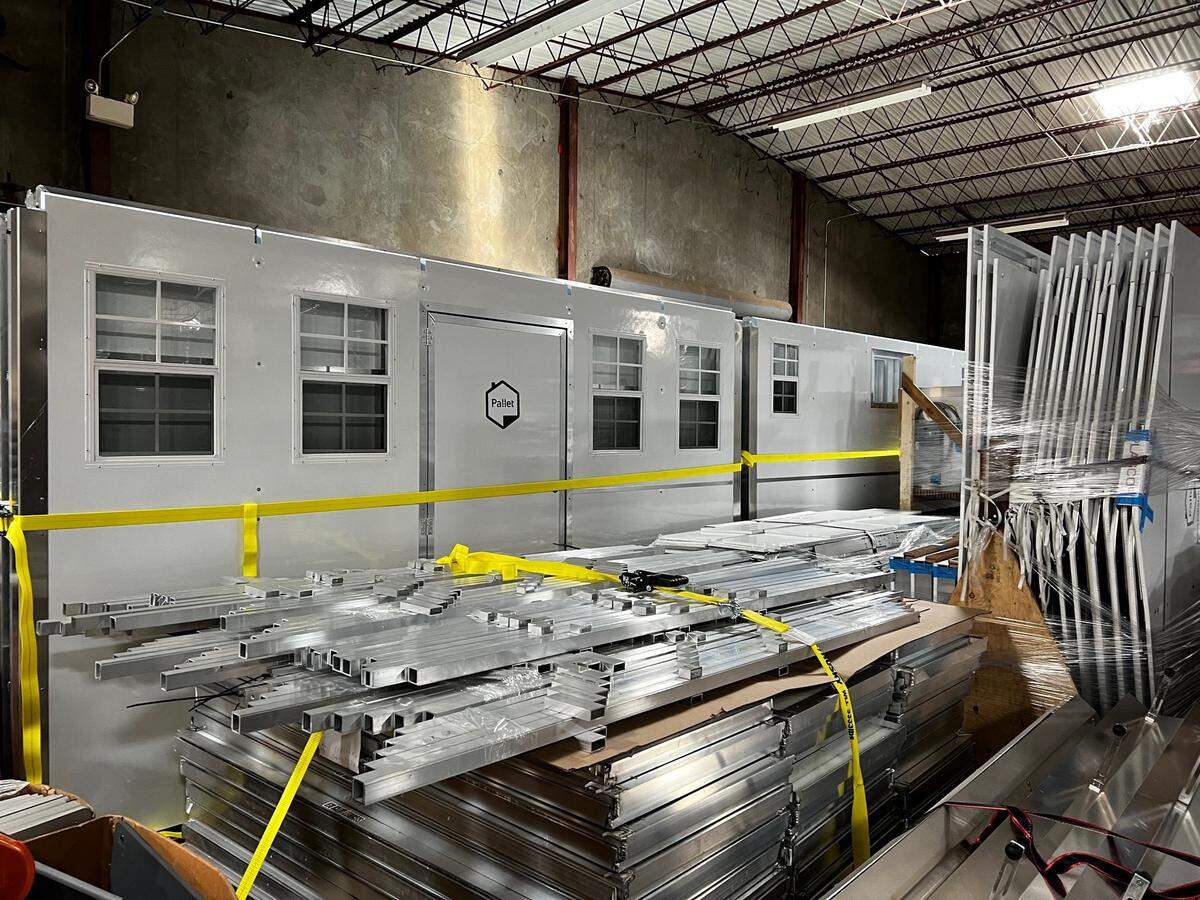
The cost for a standard 64-square-foot shelter starts at around $7,000, and the cost for a double-occupancy, 100-square foot unit starts at around $9,500, according to Pallet.
When and where would it be built?
The project, which was slated to open by late fall or early summer, won’t be completed until mid November if given the green light soon, according to county staff. It will be constructed on the site of a former grocery store on 8144 Florin Road.
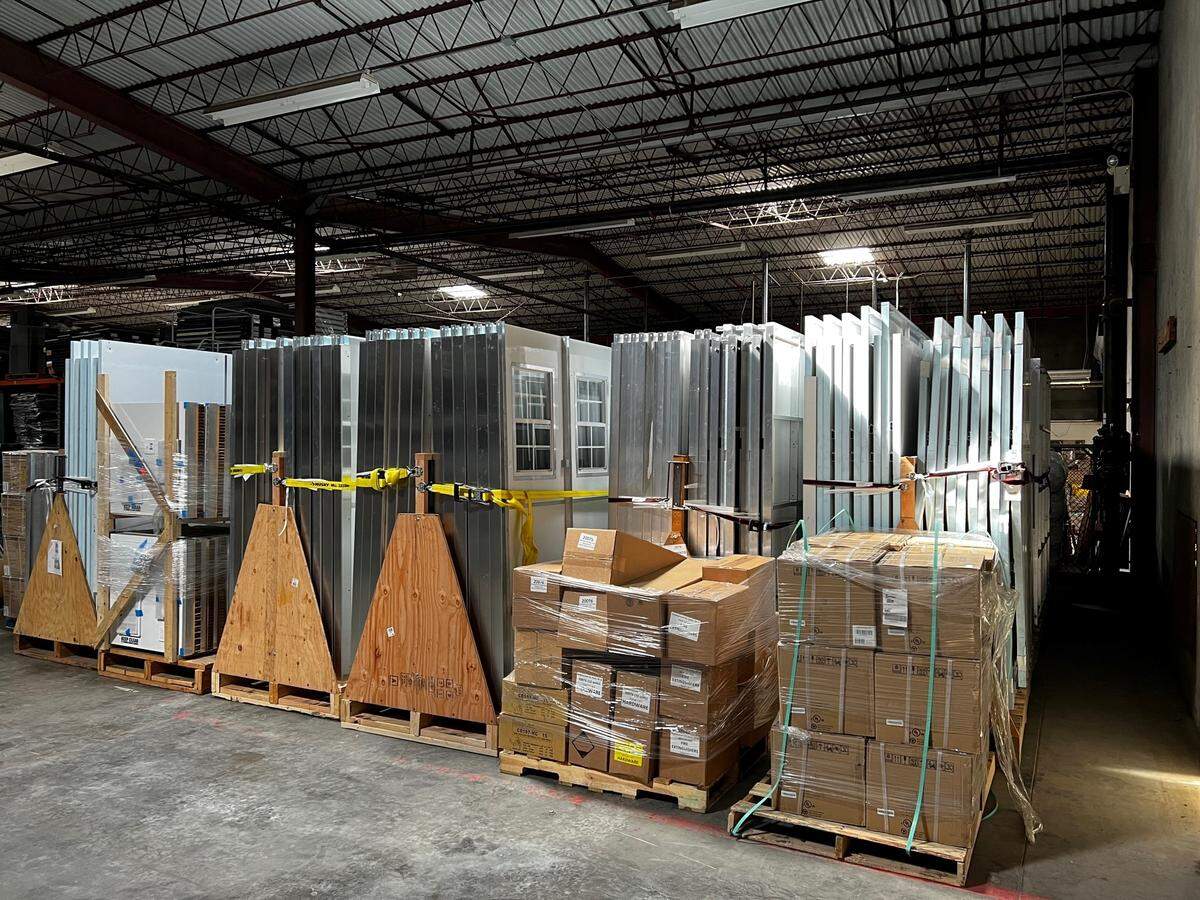
After delaying project approval at their last meeting, county supervisors will review and take another vote on the project during on June 8.