Sacramento to build 135 tiny homes. McCarty calls it ‘future’ of homeless approach
AI-generated summary reviewed by our newsroom.
- Sacramento addss 135 new tiny homes to expand transitional housing options.
- McCarty promotes microvillages as cost-effective alternatives to $1M units.
- New ordinance now prohibits homeless camping at Sacramento City Hall grounds.
Sacramento Mayor Kevin McCarty announced construction of 135 new tiny homes Thursday, the latest part of what he calls a cost-effective strategy to take more of the city’s homeless off the streets.
The homes under construction at 3900 Roseville Road will be operated by housing and supportive services provider The Gathering Inn and join the First Steps community where today more than 100 people transitioning from homelessness call home. McCarty announced the project on the same day that a city ordinance took effect to bar homeless camping at City Hall grounds.
“The big picture is that there are 135 individuals who won’t be sleeping in the park or at City Hall or in our neighborhoods and will have a place to go,” McCarty said in a brief interview following the announcement. “This is kind of the future of where we’re headed with our homeless response.”
Since becoming mayor in December, McCarty has pushed for the city to shift its resources toward smaller, community-based housing, like tiny homes and microsites, and away from congregate homeless shelters.
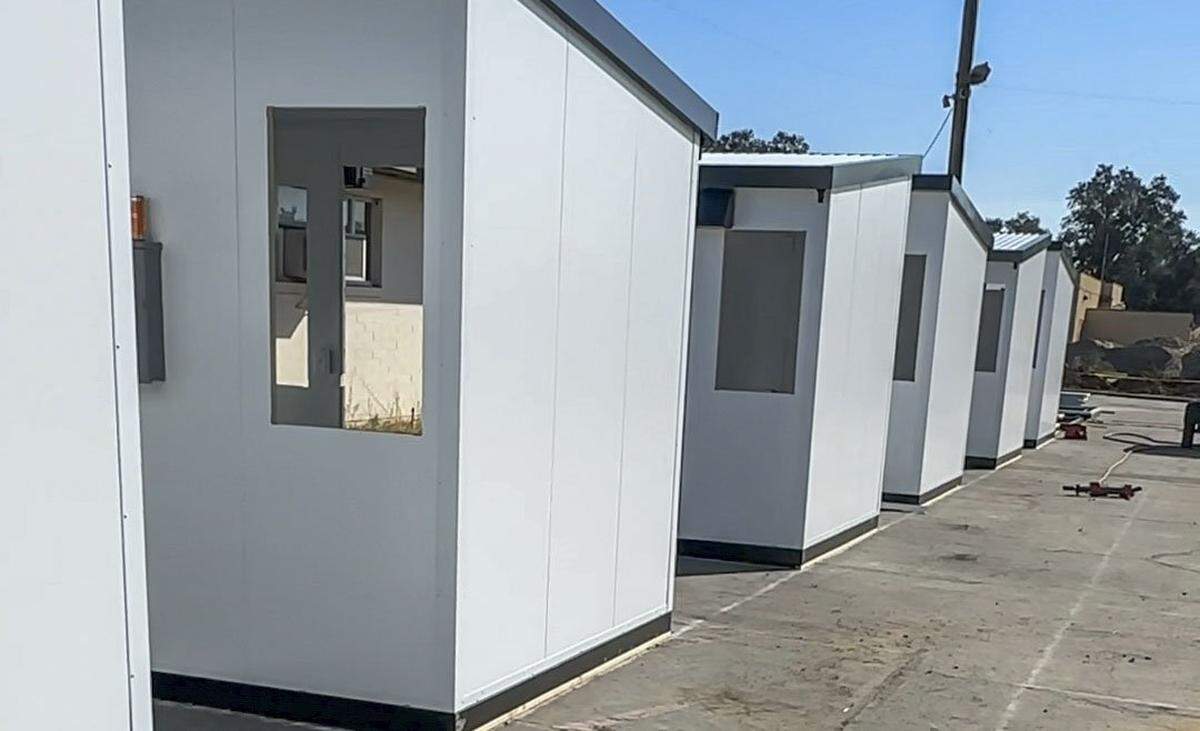
McCarty envisions fewer costs to provide shelter and services to Sacramento’s homeless population. McCarty, who compared the city’s template with Sacramento Housing and Redevelopment Agency, called the costs of the agency’s permanent supportive housing model “unviable.” The agency’s executive director announced her retirement on Tuesday.
“These tiny homes are $15,000 — it costs more to put in electricity and everything else — but the SHRA model, the permanent supportive housing of $1 million for an apartment for homeless individuals, is unviable,” McCarty said.
“Mathematically, it makes people scratch their heads,” the mayor continued. “You can have $1 million, gold plated solutions for a few or practical solutions for the masses. We’re pivoting to how can we be more cost-effective with our taxpayer dollars so we can serve more people.”
McCarty said on Thursday that there are multiple tiny home microvillages in the works. It is expected that each one will be located in a different city district.
The Roseville Road site is one of four tiny home project sites planned across the city. Today, roughly half of the city’s homeless shelter locations are in the northeast District 2, which includes North Sacramento, Hagginwood and Del Paso Heights, McCarty said.
“From Natomas all the way to District 7, the South Land Park/Pocket area, we all know we need to be answering the call, providing a place for the homeless to live,” McCarty said. “It won’t be perfect, but it’s something that we’re taking seriously. These microvillage sites will be distributed evenly throughout the city.”
The “microvillages” will include one planned for seniors transitioning from homelessness. Seniors in the homes will pay 30% of their income for rent. Charging such fees have been discussed by the city’s homeless director for months.
“We want to bring more cost-effective solutions. For $1 million, we’ll be able to put together 35 to 40 tiny homes. We can serve 35 to 40 people,” McCarty said. “With permanent supportive housing, its $1 million for one person.”
Details of the microvillages plan and the city’s broader homeless strategy will be unveiled at the council’s Sept. 16 meeting.
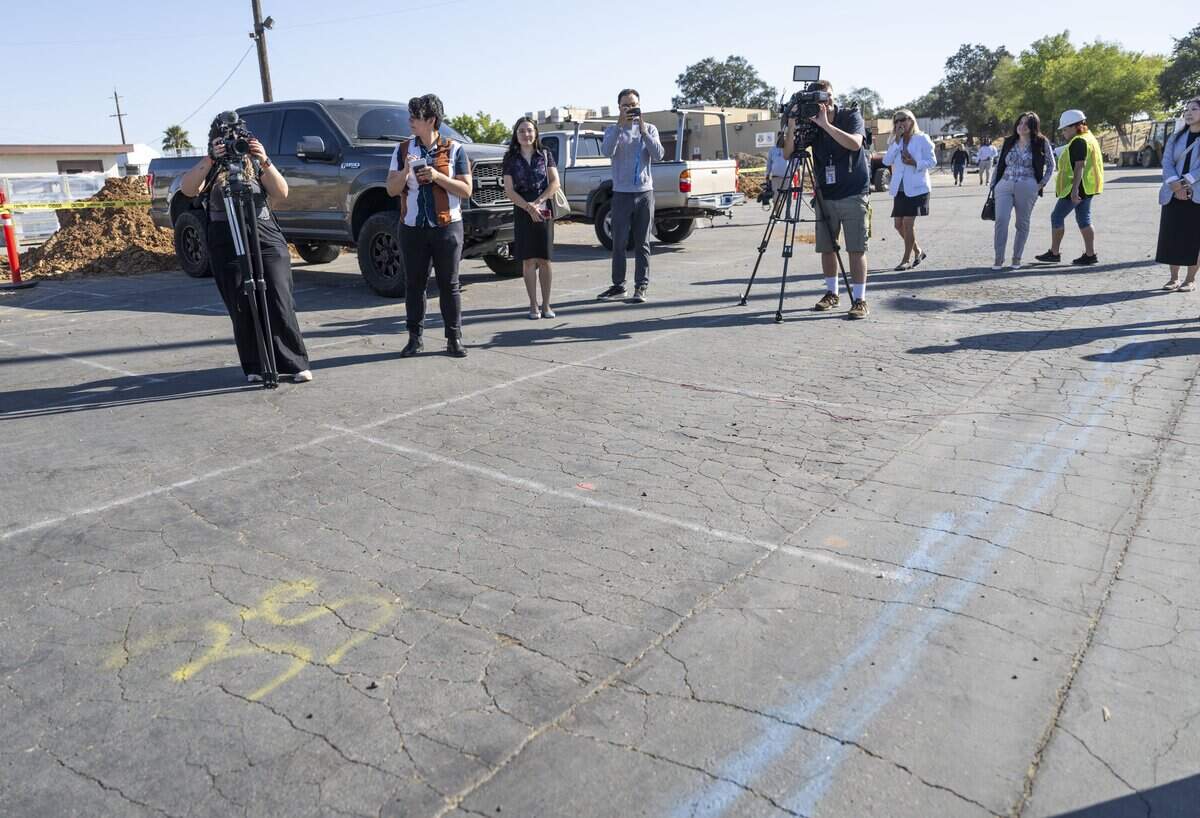
“It’s a piece of the puzzle,” McCarty said, that includes a safe parking location at a Sacramento Regional Transit parking lot, and ideas to serve more people via the city’s motel conversion program.
“It’s three similar paths with all the same call: to serve the homeless and get people off the streets,” McCarty said.
“We’re excited to see this. The residents are eagerly watching,” said Ben Worrell, chief operating officer of First Steps, after the mayor’s news conference.
In the interim, First Steps’ 111 residents are navigating what has become an active construction site as the project pushes on.
“This will replace the current travel trailers on the south side of the property. We’re excited for the expansion of the campus. The city has been very flexible with us,” Worrell said. “The city is planning a full service campus that will be easier for people to engage.”
This story was originally published August 28, 2025 at 2:11 PM.
.JPG)