
Sacramento homeless count rises: Key takeaways from latest Point-in-Time report
Sacramento County now has an estimated 7,458 homeless people — up 13% from 2024, according to a report released Wednesday.
Despite the increase, Sacramento city officials pointed to one bright spot in the latest Point-in-Time count: significantly fewer unsheltered homeless people were living within city limits. The report found an estimated 2,463 people were sleeping outdoors in Sacramento, down from 3,053 two years ago.
The decline suggests more people moved off the streets and into shelters after the city and county opened a large shelter on Stockton Boulevard and expanded the Roseville Road shelter, both of which occurred after the 2024 count.
“We know we must stay the course,” Sacramento Mayor Kevin McCarty said during a news conference Wednesday. “We’re doing what we know works.”
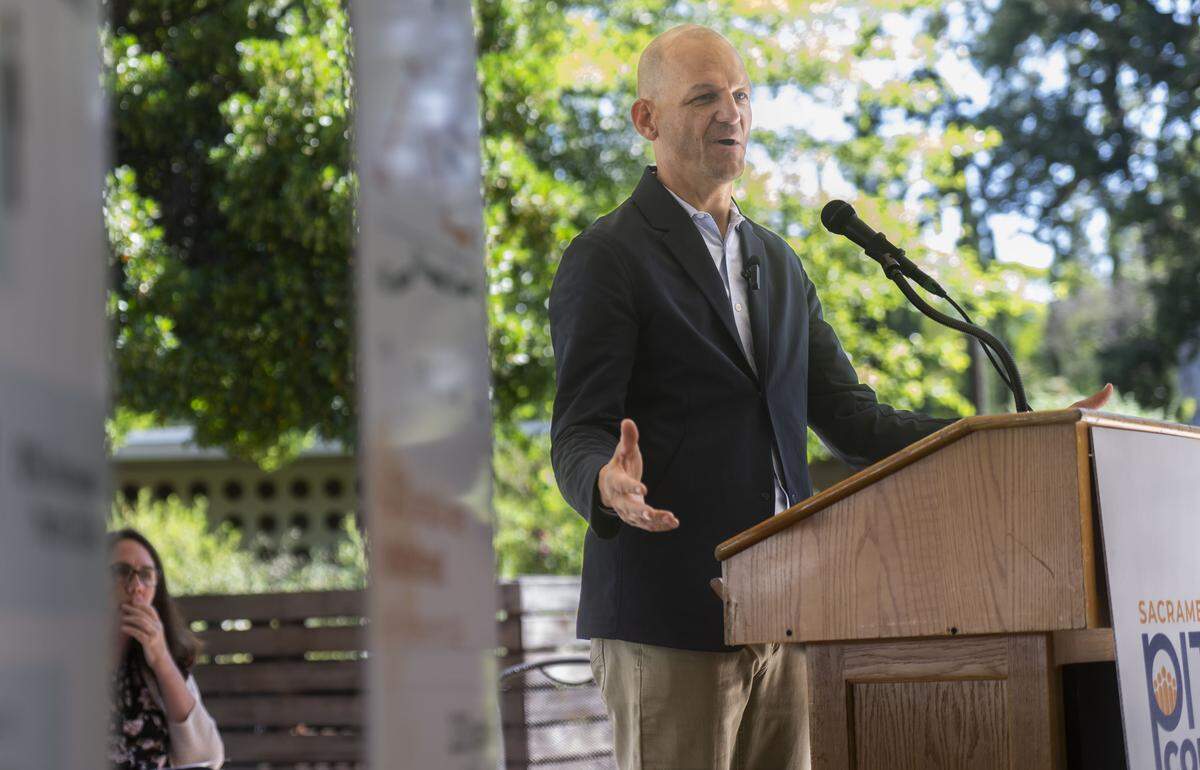
McCarty also described the federally mandated report as a “mixed bag,” saying the number of homeless residents remains “unacceptably high.”
Key takeaways from Sacramento County’s homeless count
Overall count: The report estimated 3,665 homeless people in Sacramento County in 2017. That total rose to 5,570 in 2019 and peaked at 9,278 in 2022. The count dropped to 6,615 in 2024 and increased to 7,131 in 2026, remaining well below the 2022 peak.
Sheltered residents: The number of homeless people staying in shelters during the January count more than doubled from 1,613 in 2017 to 3,253 in 2026.
Unincorporated county: Areas including Arden-Arcade, Rio Linda, North Highlands and parts of south Sacramento had an estimated 1,140 unsheltered homeless people, up from 561 in 2024.
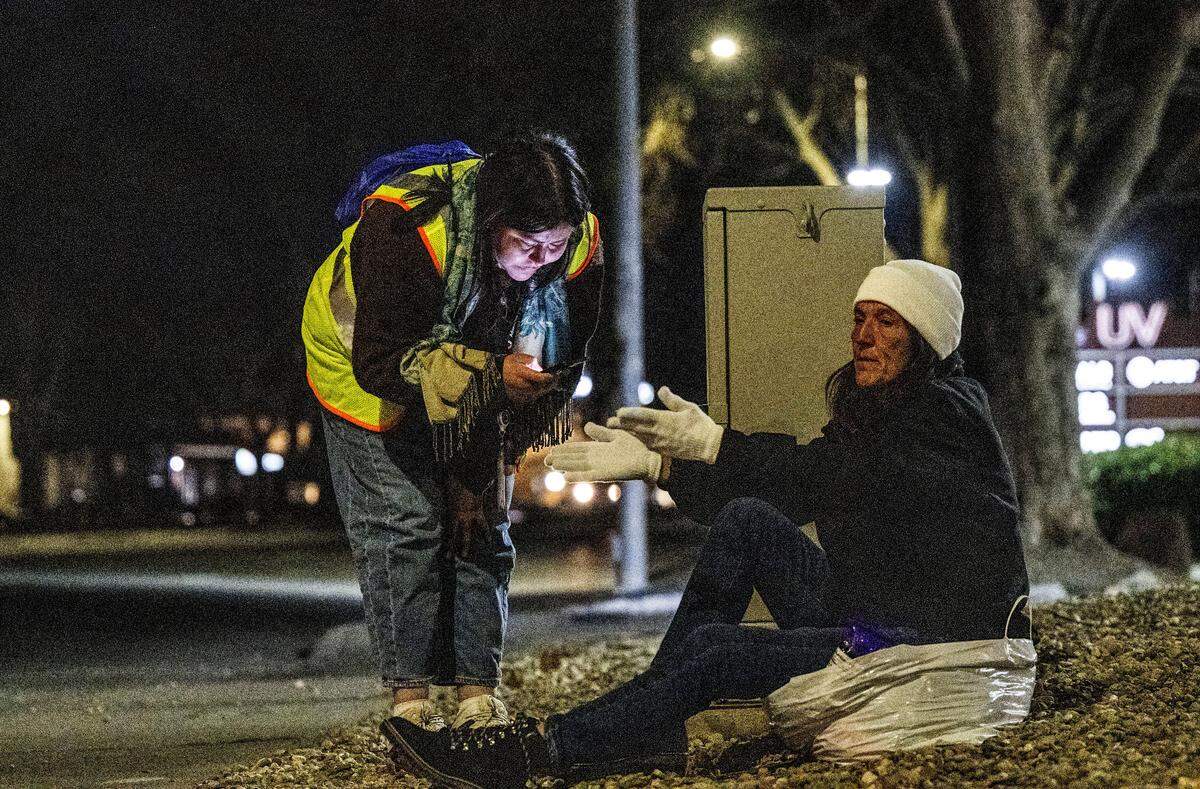
Local origins: About 78% of the county’s homeless population first became homeless while living in Sacramento County.
Families: The count identified 1,195 people in 362 households with children experiencing homelessness. Most were staying in shelters, while about 3% were unsheltered.
Gender: About 64% of the county’s homeless population identified as men, with most of the remainder identifying as women. The report said a nonbinary category used in 2024 was removed because of a federal executive order.
Race: More than half of the county’s homeless residents identified as people of color. White residents accounted for about 42% of the homeless population.
African Americans: Black people made up 32% of the homeless population, making them three to four times more likely than the general county population to experience homelessness.
Indigenous: American Indian and Alaska Native residents were 11 to 12 times more likely to experience homelessness than the county population overall.
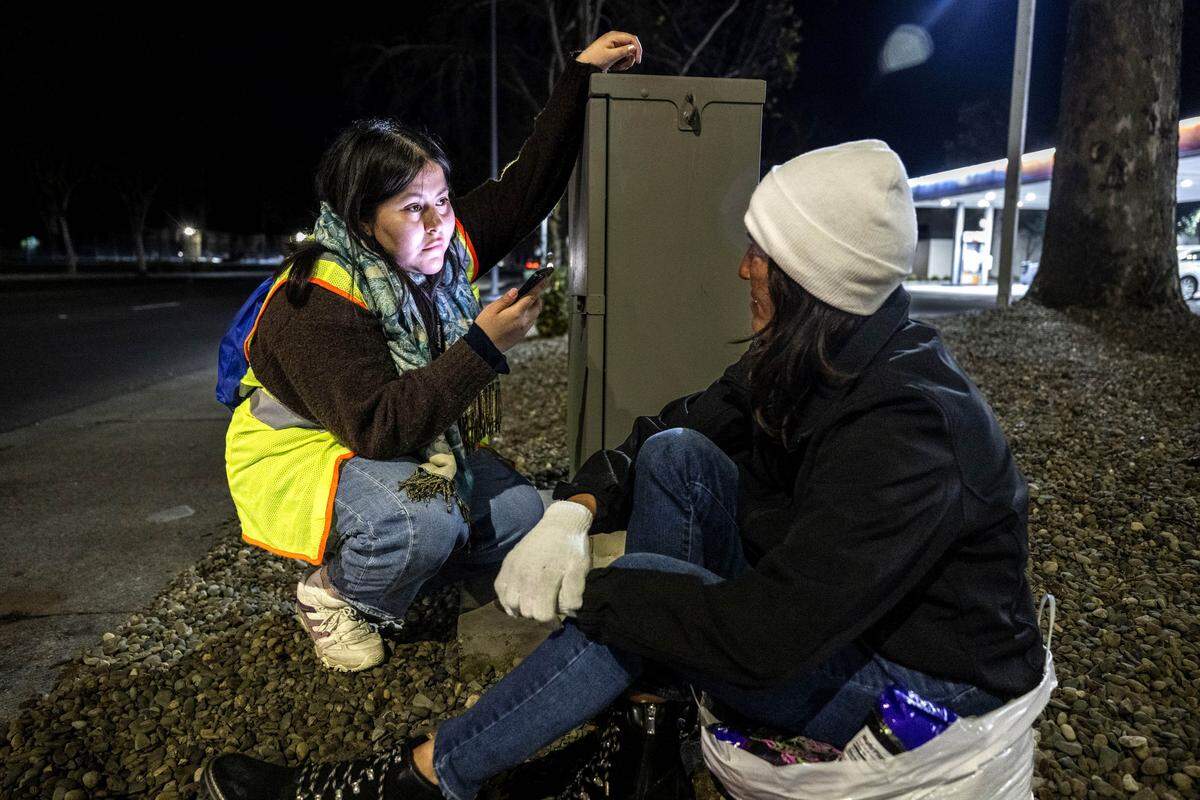
Veterans: The count identified 503 veterans experiencing homelessness, continuing a steady decline since 2019. About 318 were unsheltered.
Domestic violence survivors: About 1,100 homeless residents reported experiencing domestic violence, the highest number on record. Nearly 400 were staying in shelters, a 91% increase from 2024.
Rancho Cordova: The city had an estimated 210 unsheltered homeless people, up from 52 in 2024.
Elk Grove: The city had an estimated 123 unsheltered homeless people, up from 83 in 2024.
Citrus Heights: The city had an estimated 157 unsheltered homeless people, up from 62 in 2024.
Folsom: Folsom was the only city besides Sacramento to report a decline. It had an estimated 80 unsheltered homeless people, down from 133 in 2024.
Funding implications: The Point-in-Time count has historically helped determine how much federal and state funding Sacramento County receives to address homelessness, though it remains unclear whether that will continue.