Sacramento eyes 40+ quick-build fixes yearly as new safety team forms
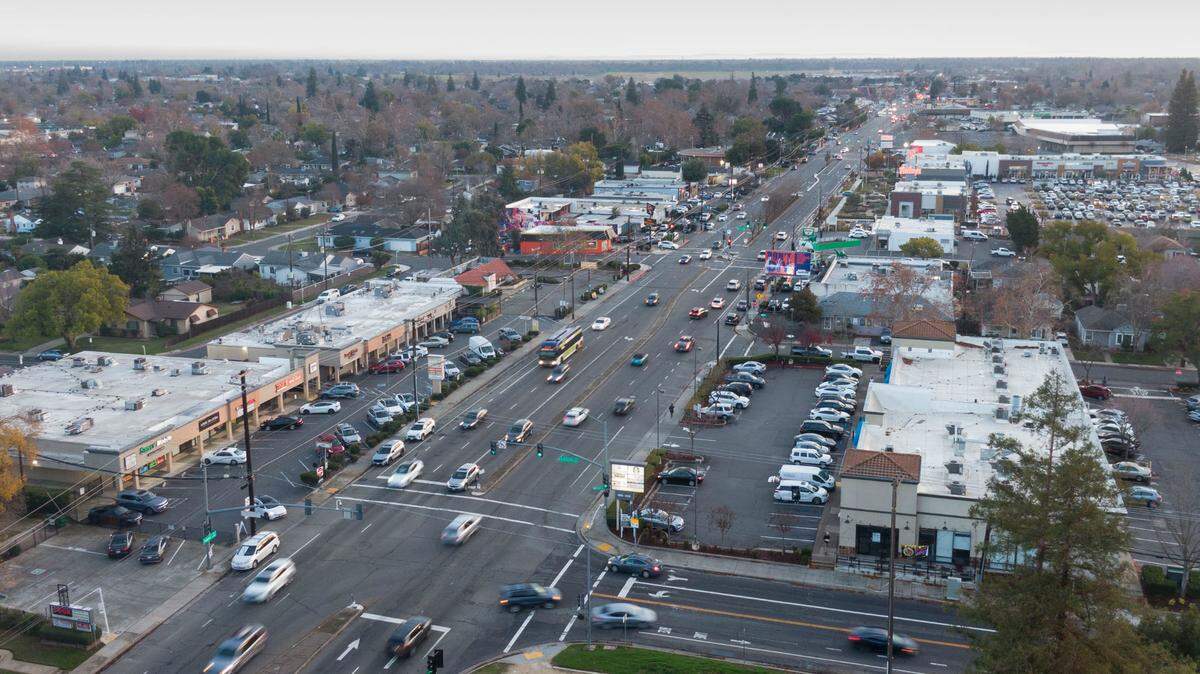
The Department of Public Works could install as many as 40 road safety projects each year as the city of Sacramento charges forward with a more aggressive strategy to end traffic deaths.
Megan Carter, the city’s traffic engineer and Public Works’ transportation division manager, said that it had become clear that her department needed to act with greater urgency to address a safety crisis that leaves dozens of people dead each year.
“The methodology of the past wasn’t working,” Carter said.
She added that she and other officials heard “demands from the community” and saw critical reporting in The Sacramento Bee about the slow pace of safety projects. Large-scale corridor transformations take years — sometimes decades — to realize.
“We just knew,” she said, “that change wasn’t coming fast enough.”
Now, she said, the department is working to have a new six-person Transportation Safety Team hired and ready to start by July 1. On that date, $4.6 million reallocated from 2017’s Senate Bill 1, known as the state gas tax, and county Measure A funds will kick in — which includes $2 million for a slate of relatively small-scale improvements.
“I think that we will have much smaller projects that will just be a few thousand dollars to implement,” Carter said. Annually, she said, “I’d like to see at least five per council district, but I think we’ll be able to do many more than that.”
In 2017, the Sacramento City Council made a “Vision Zero” pledge to end all traffic fatalities and serious injuries by 2027. Over the eight years since the pledge, more than 300 people have died on city streets, and Sacramento has not been on track to meet the goal.
The City Council had been under pressure to act on its commitments to road safety. Over the past year, Councilmember Caity Maple led the charge: She pressed for an idea originally put forth by former Councilmember Katie Valenzuela: establish a quick-build program in the city. When the full City Council unanimously voted to approve the quick-build program last month after Carter made her proposal, Maple quipped, “I guess it takes two Katies, but we got there.”
The Department of Public Works will make six new hires — a full-time supervising engineer, three engineers to work under that person, as well as a traffic investigator and an administrative analyst. The team will have a series of community meetings before any shovels hit the ground to inform their process.
Carter said they still “have to develop the guidelines for their work. How will they prioritize? I’m sure we’ll be flooded with community requests, in addition to our own analysis of the crash data on where our efforts should be focused.”
How will Sacramento install so many road safety projects?
Carter said she expected that as staff went on their “listening tour,” they would identify patterns that could help accelerate the pace of change.
“We will identify similar intersection needs — so sort of the same type of safety issue happening in different intersections throughout the city — and we’ll package all those up with a similar solution and then deliver those with one of the on-call contractors that we get on board,” she said. “We’ll be able to deliver, you know, 10 all at once, because it’s the same type of intersection, the same type of safety concern from the community, and our solution is similar.”
In addition to the smaller-scale projects, the new team will aim to install one to three interim versions of already-planned large corridor projects stretching up to a mile long on certain roadways.
These larger-scale interim measures would partially execute existing plans using cheaper, less durable materials. Separately from the new team, the Department of Public Works already is set to install a similar project: Workers will extend the safety improvements made mostly with striping and plastic dividers at the intersection of Broadway and Martin Luther King Junior Boulevard for a little over a half-mile on Broadway to the intersection with Stockton Boulevard.
Carter expects engineers will be eager to take on the quick-build program, even though working with plastic and “soft” materials is not typically in the realm of people who like to build urban infrastructure.
“The corridor projects, they can be flashier,” she said. “But the downside of those projects is they take a long time to deliver. An engineer on those projects might work on them for, at a minimum, two years, and up from there. … I think there’s going to be — what is it these days? — the ‘dopamine hit’ of getting that immediate feedback from the community that what you did helped them. And then you get to start over and do it again and sort of constantly make things better.”