Hwy. 50 construction, already behind schedule, will last another year in Sacramento
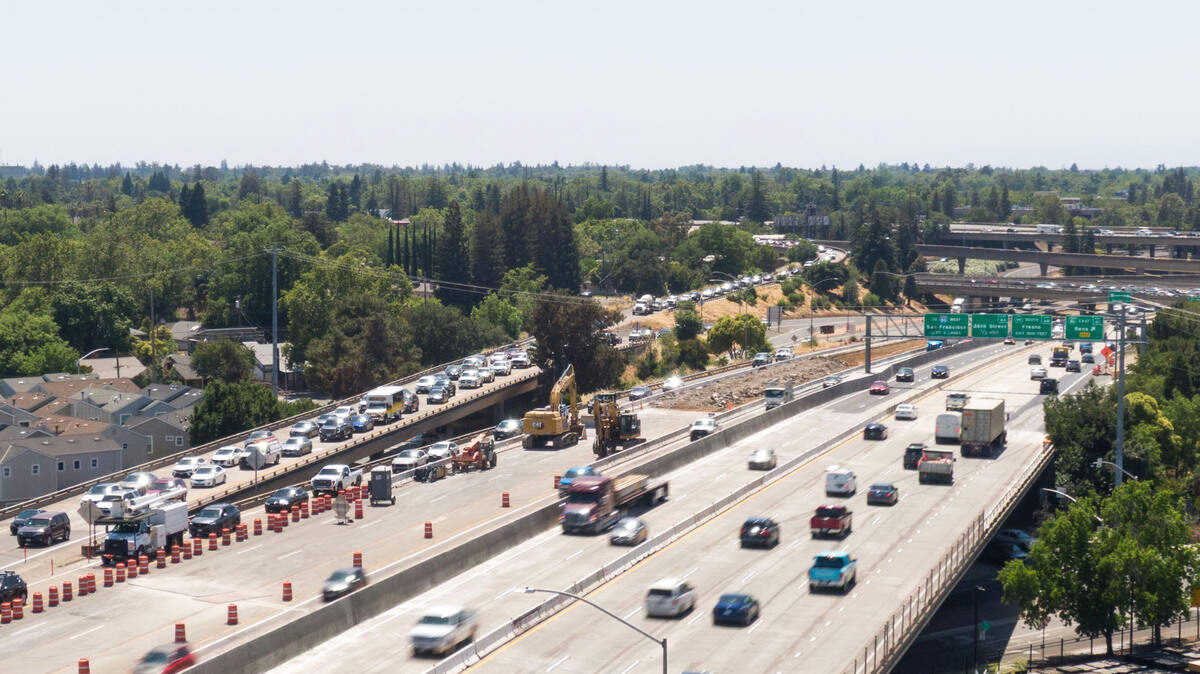
Caltrans expects to finish its “Fix 50” project by July 2026 — a year later than originally planned and almost $100 million over budget.
Roadwork began in 2021. The new timeline, first reported by KCRA, drags the construction out to a total of five years. The project will add new carpool lanes along 7 miles of Highway 50 across Sacramento’s core and resurface the degraded pavement.
Caltrans said on its website that “U.S. Highway 50 Multimodal Corridor Enhancement and Rehabilitation Project,” which it also calls Fix 50, will cost about $529 million. In May 2022 — three years ago — Caltrans estimated that the project would cost $433 million, meaning that in addition to falling behind schedule, the cost has gone up by about $96 million in that time.
A spokesperson for Caltrans said Wednesday afternoon that “most of the traffic impacting construction work will be completed” is expected to be completed by December. The remaining work, including “electrical, landscaping and other aesthetic elements,” would take place through summer 2026.
“After December, Caltrans expects traffic impacts from construction to be minimal for drivers,” a District 3 spokesperson said Wednesday in response to The Bee’s request.
The project has received funding from multiple sources in the state. Under California’s Senate Bill 1, the Road Repair and Accountability Act of 2017 better known as the gas tax, Caltrans funded $90 million of construction. The State Highway Operation and Protection Program kicked in $386.9 million for pavement replacement and increasing the clearance at seven overcrossings. Caltrans has also relied on $52.2 million from Sacramento’s Measure A Transportation Sales Tax.
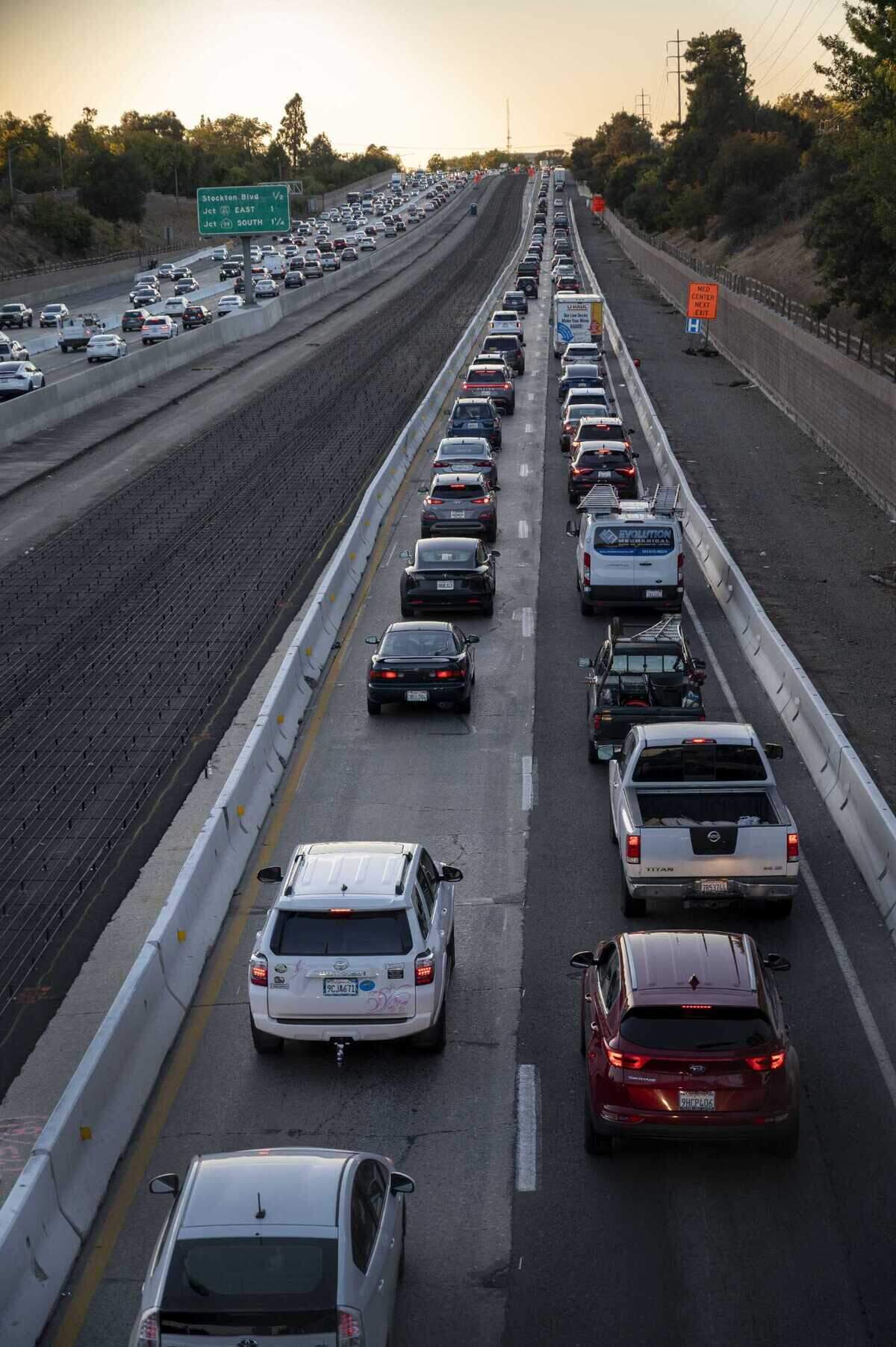
Evidence suggests that the half-a-billion-dollar project will not relieve congestion in the long term.
Susan Handy, a UC Davis professor who studies transportation, previously told The Bee that decades of research show that adding lanes to a roadway only relieves congestion in the short term. The traffic relief then encourages more people to drive, which ultimately results in more traffic. This phenomenon, “induced demand,” leads back to the same levels of congestion within a decade.
Caltrans’ parent agency, the California State Transportation Agency, has acknowledged this phenomenon. There is no blanket ban on highway widening, but state guidelines discourage it. In 2021, CalSTA said in a report that “highway capacity expansion has not resulted in long-term congestion relief and in some cases has worsened congestion, particularly in urbanized regions.”
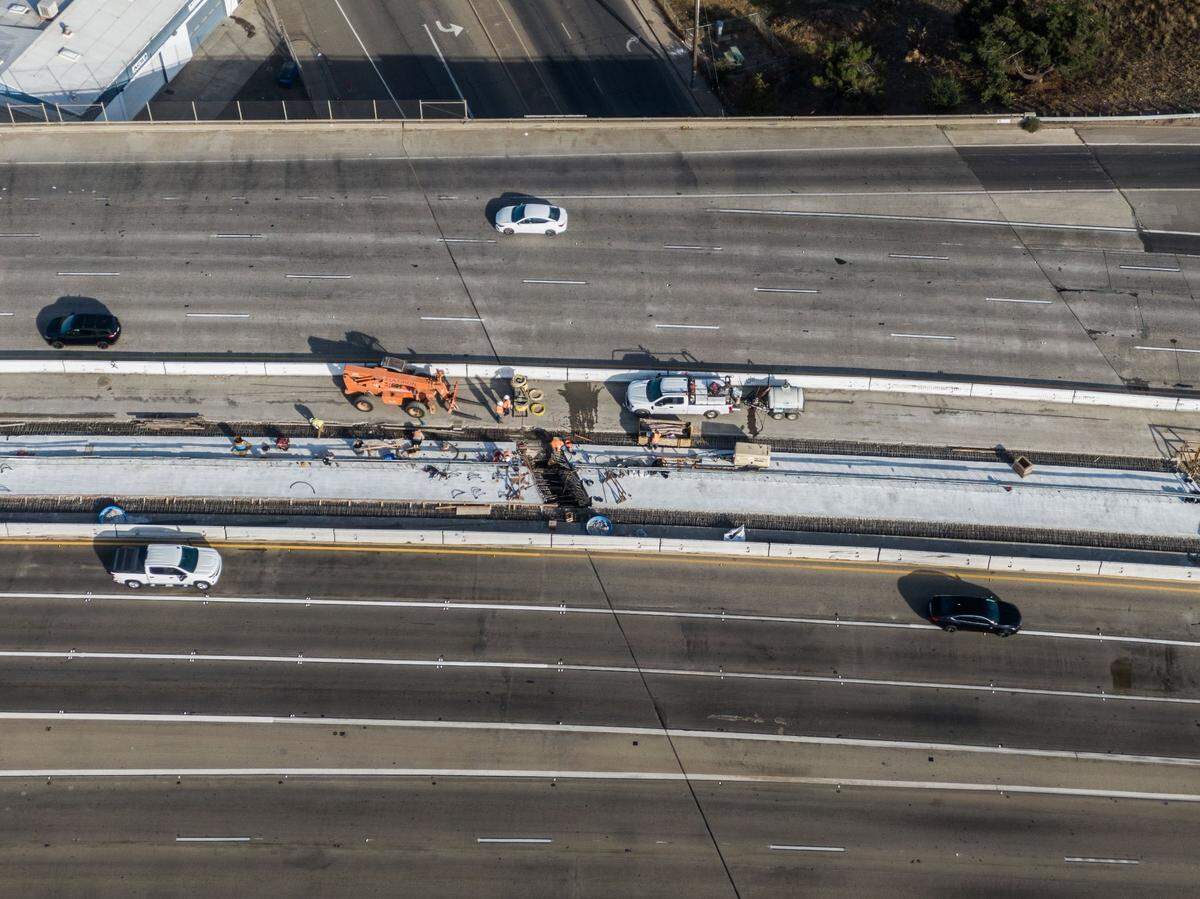
Residents can learn more about the project on the Caltrans District 3 website.
This story was originally published June 3, 2025 at 2:39 PM.
CORRECTION: This story was updated to include a response from Caltrans about the project extension, which was provided Wednesday afternoon.