
There’s plenty of misinformation on Ukraine and Russia — especially on TikTok, experts say
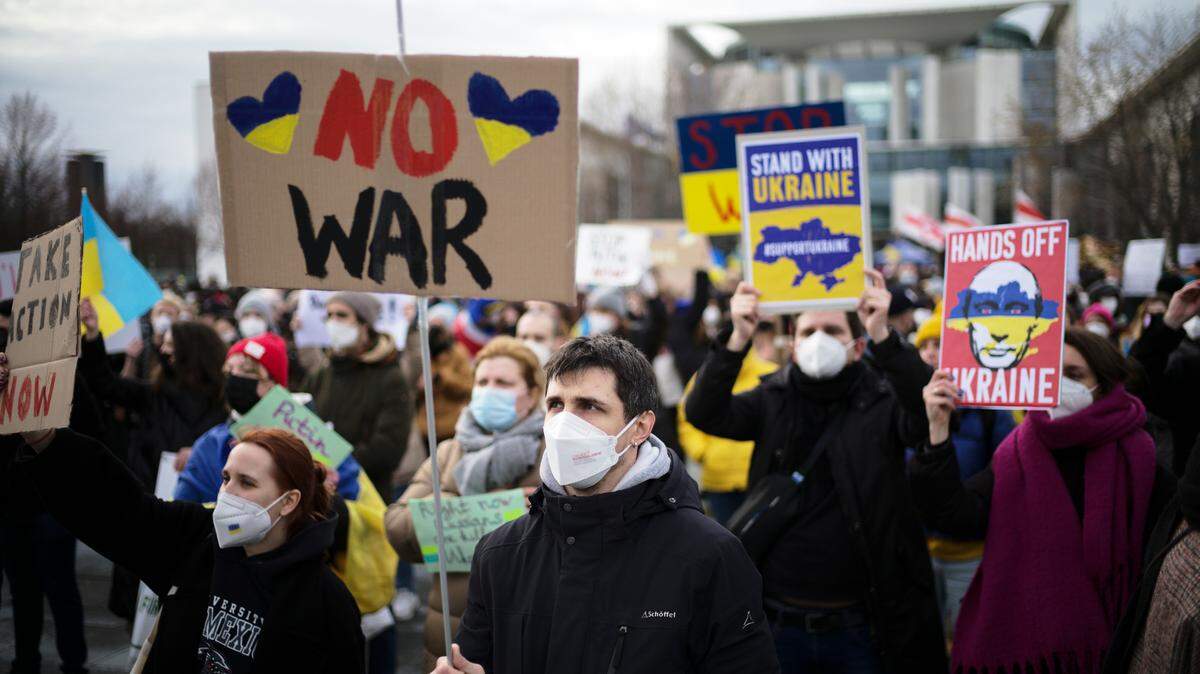
Since Russia’s full-scale invasion of Ukraine began Thursday, Feb. 24, information on the ongoing conflict is being shared nonstop on social media — but so is misinformation, including misleading photos and images, experts are warning.
A lot of disinformation is showing up particularly on the video-sharing app TikTok among other social media platforms. This comes as Russia attacked Ukraine’s capital Kyiv on Feb. 25, the Associated Press reported. At least 137 Ukrainian soldiers have died, the country reports.
TikTok “is quickly emerging as one of the main sources of misinformation about the Ukraine war,” David Gilbert, a VICE News reporter, wrote Feb. 25 on Twitter.
When using social media to stay informed on the developments, “go slow. Vet your sources,” Kate Starbird, an associate professor of Human Centered Design & Engineering at the University of Washington, advised this week in a Twitter thread.
“I bet some (of) your kids are on TikTok,” Starbird continued. “Borrow their feed for a bit to see what they’re seeing. In addition to potentially violent content, check for propaganda.
“Russia’s network of grey propaganda creators know how to package content up for TikTok and other formats.”
TikTok’s content is “compelling and seemingly ‘authentic’ (even when it isn’t),” Starbird told McClatchy News.
Watch out for repurposed online content
Starbird warned on Twitter that some social media users might “repurpose old content to get attention, gain followers, and manipulate the information space. Be skeptical.”
Senior NBC reporter Ben Collins shared an example of this involving Ukraine and Russia misinformation “plaguing TikTok right now” Feb. 24 on Twitter.
A video showing a parachuting soldier by user @romanadler123 garnered millions of views on TikTok, according to Collins, with the top comment saying “bro is recording an invasion” referring to Russia invading Ukraine.
“But he isn’t. This video is from 2016,” Collin wrote.
The account that shared the original video appears to have since been deleted, but other TikTok users have “stitched” it — meaning they’ve reacted to a clip of it in their own video.
“There is no way I’m watching a war on TikTok,” one user wrote in a stitch video of the parachuting soldier that has gotten thousands of views alone.
Collins wrote in a subsequent post that “it doesn’t take a ton of investigative work to find out that this video is not from the Ukrainian invasion.”
“It’s simple: A guy with the same username on Instagram posted this same video in April of 2016.”
Additionally, out of “misleading posts” circulating, one has come from the official Twitter account of Ukraine’s Ministry of Defence, BBC reports.
It tweeted out video of an aerial dogfight, according to BBC, and wrote “MiG-29 of the Air Force of the Armed Forces destroys the ‘unparalleled’ Su-35 of the Russian occupiers.”
However, the outlet debunked this by discovering the video came from Digital Combat Simulator World, a video game.
Tips for identifying misinformation and propaganda
“If you don’t know how to do a reverse-image search or other information verification procedures, then you probably shouldn’t be recirculating images or information about the conflict right now. Don’t be a stooge,” Texas A&M University communications professor Jennifer Mercieca wrote Feb. 24 on Twitter.
You can do a reverse image search on Google or Yandex for more information behind an image online.
This can also be done with videos, including ones on TikTok, according to Storyful’s Deputy News Editor Rob McDonagh. McDonagh was responding to a Twitter post by CNN reporter Donie O’Sullivan, who asked for advice on misinformation related to Ukraine and Russia.
“Screenshot a striking moment in the video you’re watching and conduct reverse images searches using Google or Yandex. Results may reveal that the video is old,” McDonagh wrote.
Watch what you share
Ultimately, it’s important to use full consideration when sharing a post, image or video about the Ukraine and Russia conflict to prevent spreading misinformation.
“Let’s be extra careful that we don’t become unwitting agents in the spread of disinformation,” Starbird wrote in her Twitter thread.
If you realize you’ve accidentally spread misinformation online, “take responsibility,” Starbird says and don’t simply remove the misleading post. “Update it with correct info.”
“We should expect that every platform will facilitate rumors and will be sites of exploitation by those seeking to shape the narrative using propaganda and disinformation,” Starbird told McClatchy News.
“On TikTok just lingering on a video seems to tell the recommendation algorithm to send you more videos like that one. This means that the work someone might do to scrutinize a video may end up amplifying, rather than correcting that video. And we know that repetition of false/misleading information works to create false impressions.”
This story was originally published February 25, 2022 at 1:32 PM with the headline "There’s plenty of misinformation on Ukraine and Russia — especially on TikTok, experts say."
.jpg)