New electronic skin reacts to pain with same ‘lightning speed’ as real skin, experts say
Mistakenly touching a hot stove top and reacting before your brain registers what happened is an all too familiar feeling.
Skin is the largest sensory organ on the body, one that sports complex neurons and receptors capable of giving us “near-instant feedback” when it experiences pain.
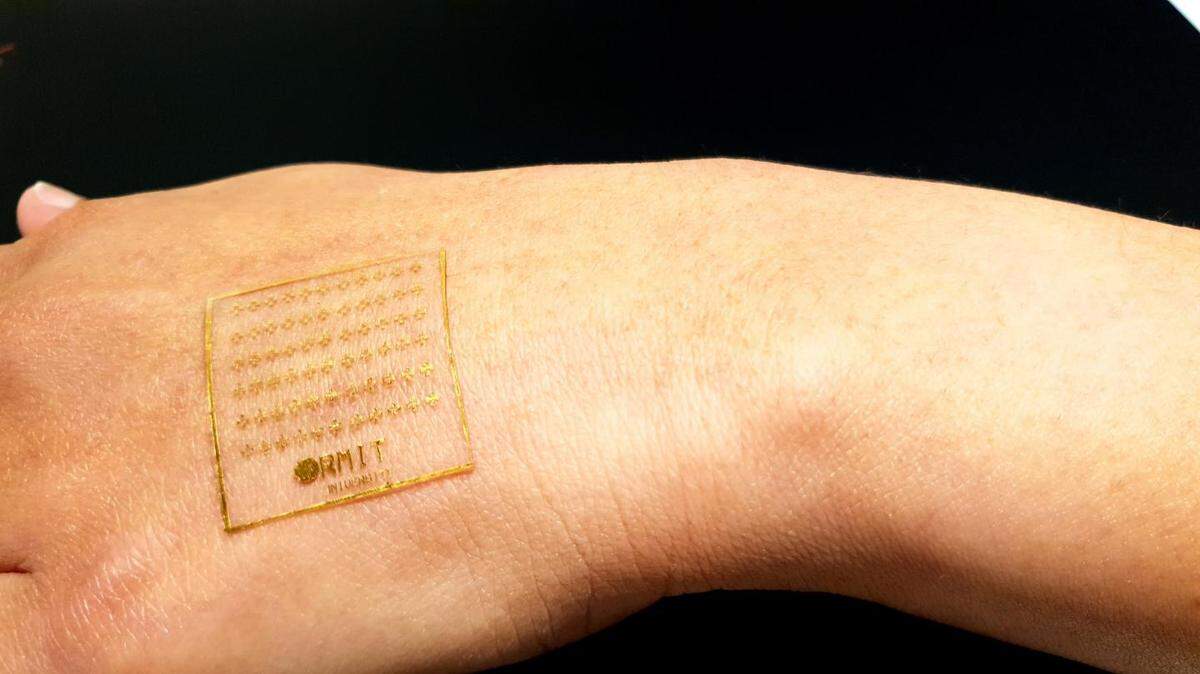
Now, there’s electronic, artificial skin that can replicate this same “lightning speed” reaction by mimicking how real skin senses discomfort, according to a prototype designed by Australian researchers.
The wearable sticker-like device can clear the way for “better prosthetics, smarter robotics and noninvasive alternatives to skin grafts,” according to a news release on the research published Tuesday in the journal Advanced Intelligent Systems.
“While some existing technologies have used electrical signals to mimic different levels of pain, these new devices can react to real mechanical pressure, temperature and pain, and deliver the right electronic response,” study co-author Ataur Rahman, a Ph.D. researcher at the Royal Melbourne Institute of Technology, said in the release. ”It means our artificial skin knows the difference between gently touching a pin with your finger or accidentally stabbing yourself with it — a critical distinction that has never been achieved before electronically.”
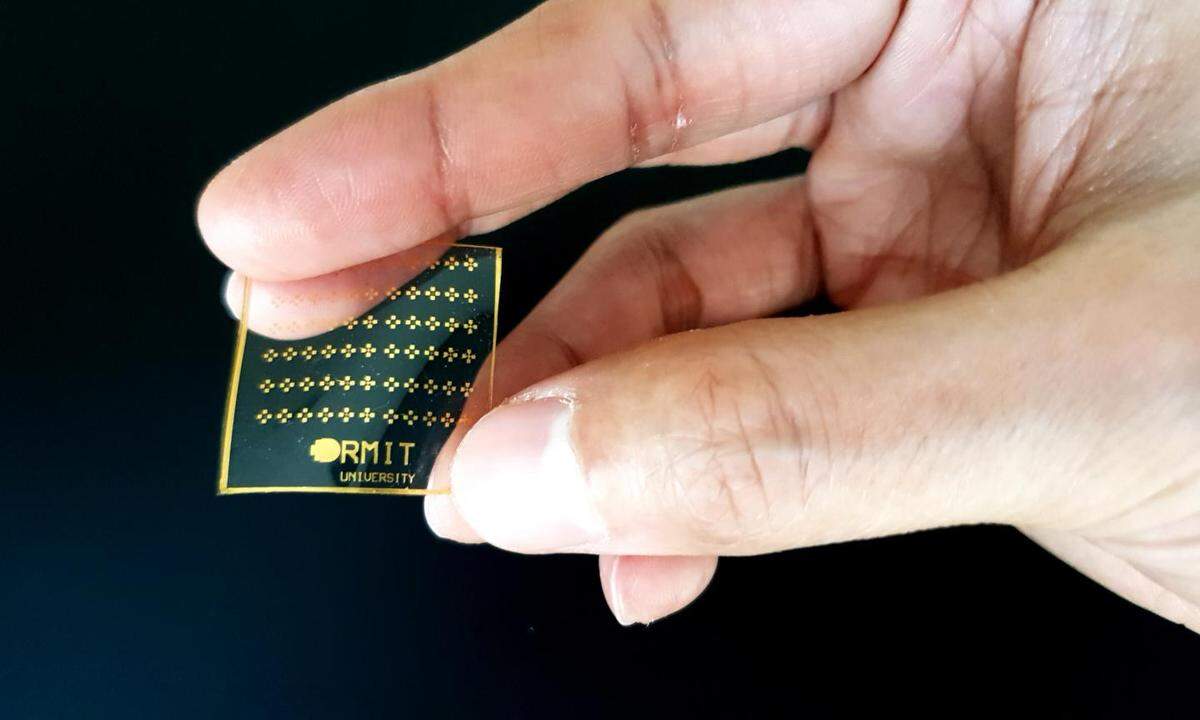
The device combines three technologies previously designed and patented by the same team. The first is a stretchable, transparent and unbreakable electronic made of oxide materials and biocompatible silicone; this technology allows the device to be as thin as a sticker, the researchers said.
The next is a temperature-reactive coating that is “1,000 times thinner than a human hair” and can transform when it comes into contact with heat. Lastly is “brain-mimicking memory,” the team said. These electronic cells can simulate the brain’s ability to remember temperature and pain thresholds and store in its own long-term memory bank.
“No electronic technologies have been able to realistically mimic that very human feeling of pain — until now. It’s a critical step forward in the future development of the sophisticated feedback systems that we need to deliver truly smart prosthetics and intelligent robotics,” Madhu Bhaskaran Bhaskaran, study lead researcher and co-leader of the Functional Materials and Microsystems group at RMIT, said in the release.
“We need further development to integrate this technology into biomedical applications but the fundamentals — biocompatibility, skin-like stretchability — are already there.”
This story was originally published September 2, 2020 at 2:00 PM with the headline "New electronic skin reacts to pain with same ‘lightning speed’ as real skin, experts say."