
Woman finds prehistoric crab claw while cleaning trash off of Assateague Island beach
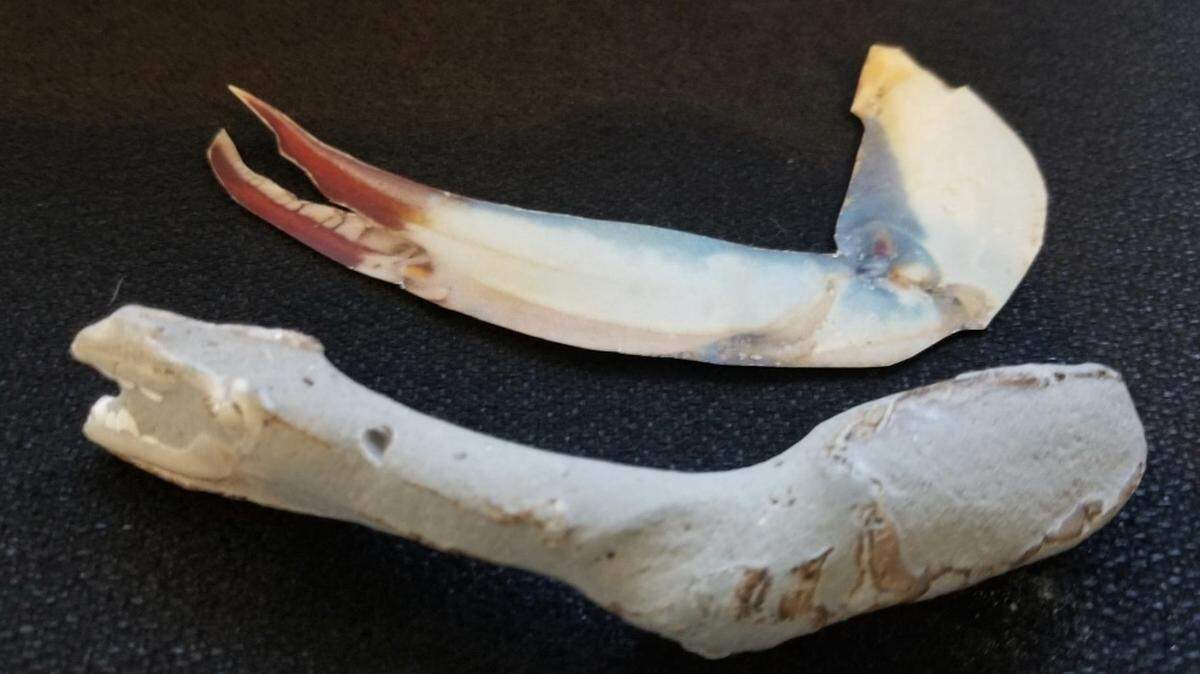
While cleaning trash off the beach on Assateague Island, a woman found a crab claw. However, it wasn’t just an ordinary claw. It’s likely from the prehistoric era.
The fossil was estimated to be up to two million years old.
The woman, confirmed as Sharon Conn by Liz Davis, a spokesperson for the Assateague National Seashore, found the claw in October while on Virginia’s side of the island.
She was walking along the island, owned by both Maryland and Virginia, while “picking up trash and rescuing upside down horseshoe crabs” when she found an item with a unique shape, a Dec. 2 National Parks Service news release for the island said.
“It seemed as though it had teeth and an eye socket.”
She reached out to the Smithsonian in the hopes the renowned institution could identify it.
A Smithsonian paleontologist told her that they were “quite certain” the fossil is a crab claw dating back 12,000 to two million years ago from the Pleistocene age.
The Pleistocene era began about 2.58 million years ago and ended 11,700 years ago, according to Britannica.
The paleontologist, identified as Matthew T. Miller in a statement to McClatchy News, came to the conclusion of the claw’s age “given the nature of other fossils,” found in the area, the release said.
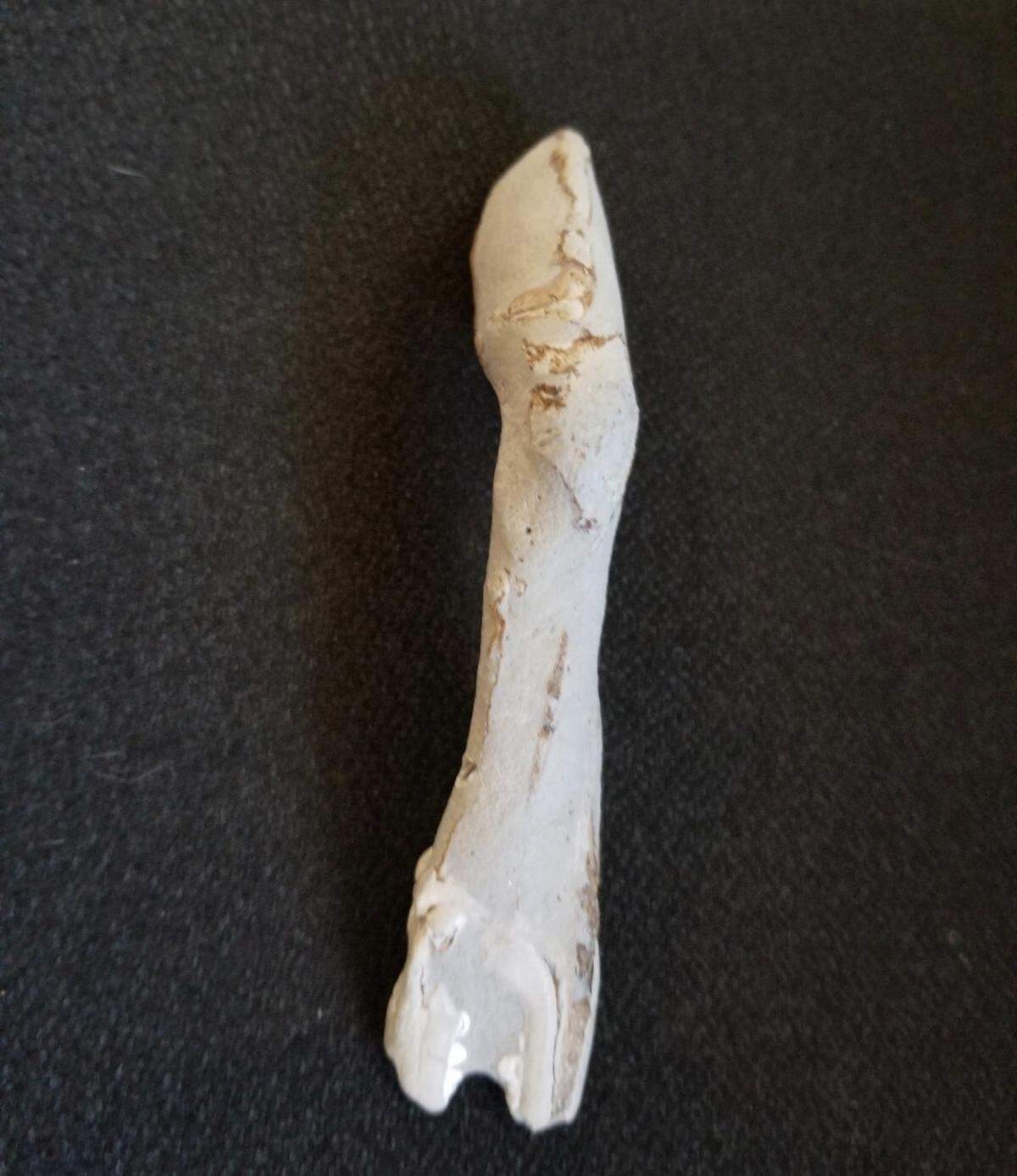
A photo of the fossil shared to Facebook shows it next to a modern day blue crab claw, highlighting its similar shape, while another photo showed it on its own.
“It is very uncommon to find fossils of this nature,” Davis said. “We have a very small number in our museum collection. That is what makes this discovery very exciting!”
The fossil didn’t “readily erode” due to the protection of extra rock around it that formed a “consolidated matrix,” Miller told Conn, according to the release.
“The claw did erode a bit though — which is why it isn’t immediately distinguishable as a claw,” he added.
“The tips are gone and parts of the infilled area where the original flesh would have been has shown through, making the whole specimen look a bit odd.”
Conn was told by Miller, who works at the Smithsonian National Museum of Natural History, that fossils discovered on public lands, like the crab claw, are protected under the 2009 Paleontological Resources Preservation Act, according to the release.
He suggested that she return it, and she did so to the Assateague National Island Seashore.
“We are so happy to be able to add it to our small collection of fossils,” the release said.
Assateague Island is famous for its wild horses that roam the beaches.
“The person who found the fossil did the right thing,” Miller told McClatchy News via email.
“They reached out to a scientist and returned the fossil to the National Park Service unit so that other members of the public could see the crab claw and learn about the ancient history of Assateague Island.”
If you find a fossil in a national park, Miller said to leave it where it was found, take a photo, determine the exact location on a map, and tell a park ranger.
“The park rangers would love to hear about your discovery and will likely send out a scientist to investigate it,” Miller added.
This story was originally published December 7, 2021 at 3:26 PM with the headline "Woman finds prehistoric crab claw while cleaning trash off of Assateague Island beach."
.jpg)