Discount furniture chain wouldn’t hire women because they’re a ‘distraction,’ feds say
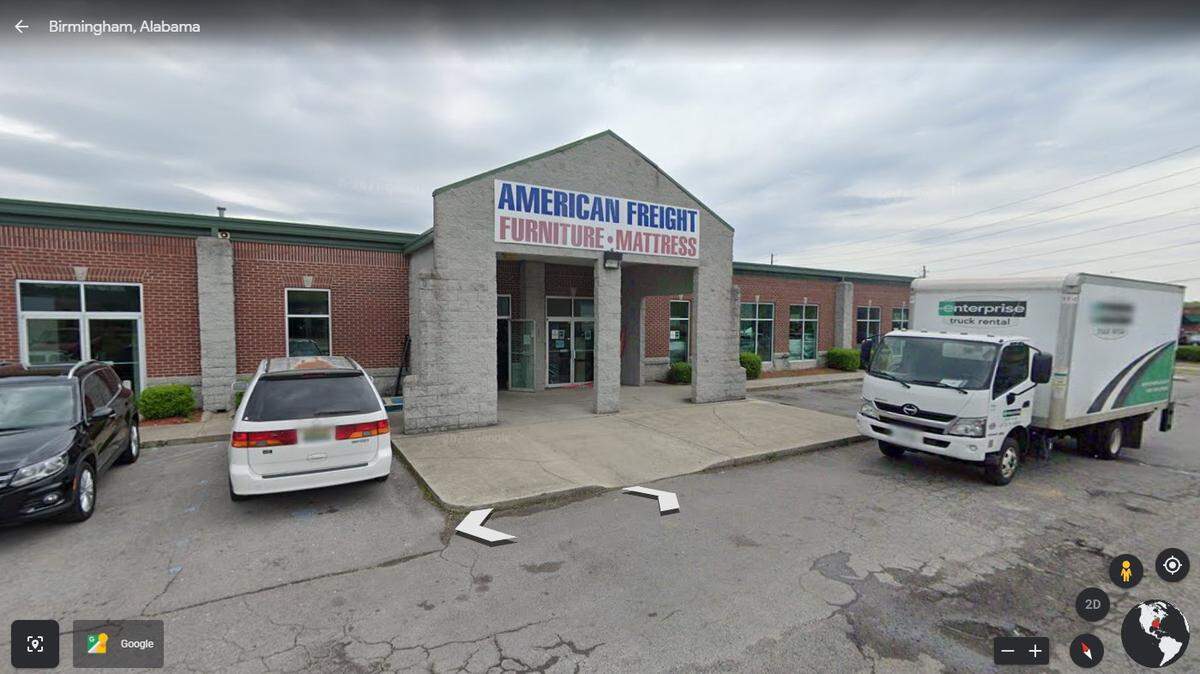
A discount furniture chain with stores in 40 states was in the habit of not hiring women, who management reportedly said complained too much, “can’t lift” and were a “distraction” to their male colleagues, according to federal court filings.
Now it has to fork over $5 million.
Without admitting any wrongdoing, American Freight Furniture and Mattress agreed to settle a federal lawsuit filed by the Equal Employment Opportunity Commission that accused it of rampant gender-based discrimination in its hiring practices. The agreement submitted Feb. 2 ends a nearly 3-year-old lawsuit filed on behalf of a female job applicant in Alabama.
“Refusing to hire women, either because of sex-based stereotypes or simply because they are female, is illegal,” Marsha Rucker, regional attorney for the EEOC’s Birmingham District, said in a news release. “The EEOC will continue its efforts to eliminate discriminatory barriers for women, through litigation when necessary.”
A representative from American Freight could not be reached for comment, and defense attorneys representing the company declined to comment in a statement to McClatchy News on Feb. 3.
American Freight sells discount furniture, mattresses and appliances in more than 350 stores across the U.S., according to its website.
The EEOC — which is tasked with safeguarding and enforcing anti-discrimination laws in the workplace — sued the Ohio-based retailer in February 2019, saying it violated Title VII of the Civil Rights Act of 1964 and Title I of the Civil Rights Act of 1991.
According to the complaint, a woman applied in 2013 to work for American Freight in Trussville, Alabama, after several employees told her the store was hiring. When she tried to submit an application, the store manager reportedly said they didn’t have any open positions and to come back closer to Thanksgiving. She did, but according to the government, the manager cast her application aside and never got in touch.
The Trussville store ultimately hired five men — several of whom were either less qualified or just as qualified as the female applicant, the EEOC said.
Court documents show the woman filed a charge of discrimination in January 2014, and the EEOC began investigating shortly thereafter. By November that year, the commission had expanded its investigation to include potential gender-based discrimination at American Freight stores nationwide.
During the course of the investigation, the EEOC discovered just 10 of the company’s 821 warehouse workers hired in 2013 were women — or roughly 1%. That figure stayed roughly the same in 2014 before climbing slightly to 2.6% in 2015. The national representation rate of female warehouse workers for those three years were all at or above 6%, according to the complaint.
The sales department wasn’t much better.
About 32% of sales workers hired at American Freight in 2013 were women, the EEOC said, while female salespeople in the furniture industry equated to 48.7% nationally. The next year, the company hired about 580 sales workers — 194 of whom were women, or about 33%. By 2015, that figure dropped off dramatically to 14% while the national rate lingered above 47%.
The EEOC said American Freight’s dismissal of female applicants was systematic, fueled by corporate officials and store managers spouting gender stereotypes.
Some reportedly said women “complain and make trouble” or “b---- too much.” Others were heard saying women were too much of a “distraction” to the men, were unable to work in a warehouse because they “can’t lift” and were otherwise unlikely to do “as great a job at selling furniture as men,” the commission said.
By 2017, the EEOC determined there were reasonable grounds to believe American Freight had discriminated against female applicants and sent the company a letter seeking to resolve the allegations out of court. When that failed, the commission sued.
American Freight asked a judge to dismiss the case in April 2019, saying in part that the EEOC relied too heavily on one woman’s experience to justify allegations of discrimination on a national scale. A judge didn’t rule on the motion before American Freight and the EEOC opted to begin mediation last year, court filings show.
Under the terms of the three-year settlement agreement and in addition to the $5 million payout, American Freight is barred from discriminating against female applicants and will appoint a Title VII coordinator to ensure compliance.
The company will also develop a recruitment plan for women, train employees on anti-discrimination policies and provide regular reports to the EEOC regarding how many women have applied and how many were hired. All previous female applicants who were qualified but denied employment will additionally be offered a job, the EEOC said.
Finally, one in every five future vacancies at American Freight must be offered to a woman as part of the agreement.
This story was originally published February 3, 2022 at 3:27 PM with the headline "Discount furniture chain wouldn’t hire women because they’re a ‘distraction,’ feds say."