
This national park will close road on rainy nights so ‘vulnerable’ critters can breed
A national park road will occasionally shut down on rainy spring nights to allow “vulnerable” amphibians crossing over to breeding grounds within the Delaware Water Gap National Recreation Area, the National Park Service said.
Specifically, River Road on the Pennsylvania side of the Delaware Water Gap, also located in neighboring New Jersey, will close down over the next six weeks, according to NPS.
This will let the migrating creatures “hop from distances of a few hundred feet to sometimes more than a quarter mile to moist breeding pools without the risk of being crushed by vehicle tires,” the park service said in a March 2 news release.
When the weather forecast shows mild temperatures accompanied by rain, River Road will be closed from roughly 6 p.m. until 6:30 a.m.
Amphibians native to the park include frog species such as the Northern Spring Peeper, a tiny tree frog with camouflage capabilities that doesn’t grow bigger than 2 inches, and the common Green Frog, which is found by bodies of water within the park, according to NPS.
Another creature found in the area is the Eastern Newt, a small, bright orange newt that lives on the ground while young but migrates to ponds or streams when it becomes an adult.
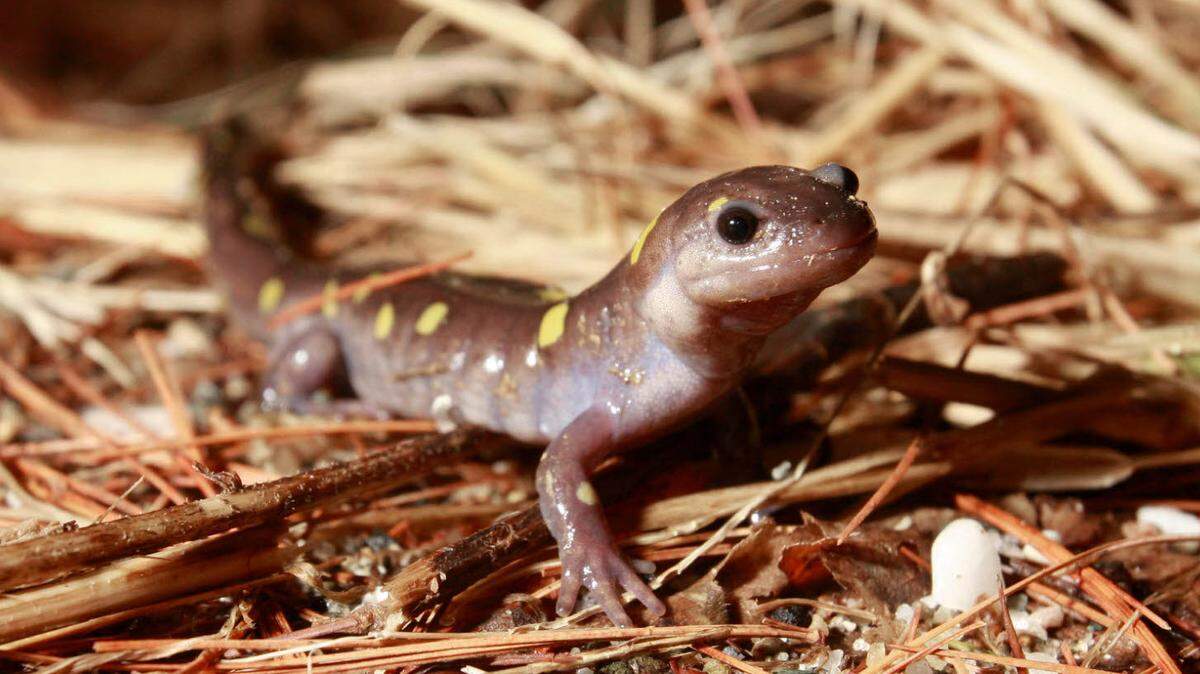
Spotted salamanders are another amphibian that lives in the park, NPS says. They’re black and speckled with yellow spots.
In total, the Delaware Water Gap National Recreation Area has “25 species of frogs, toads, and salamanders,” according to the agency.
“Amphibian populations are declining globally. There are many threats to these populations, including: habitat loss and degradation, disease, invasive species, chemical contamination, drought, illegal collecting, and more.”
Each year, NPS shuts down River Road to protect migrating amphibians.
This is similar to how Christmas Island in Australia shuts down its roads to protect migrating red crabs, helping them make their trek to the ocean, each year, USA Today reported.
This story was originally published March 3, 2022 at 12:07 PM with the headline "This national park will close road on rainy nights so ‘vulnerable’ critters can breed."
.jpg)