Look to the skies: 5 planets will align in celestial phenomenon last seen 18 years ago
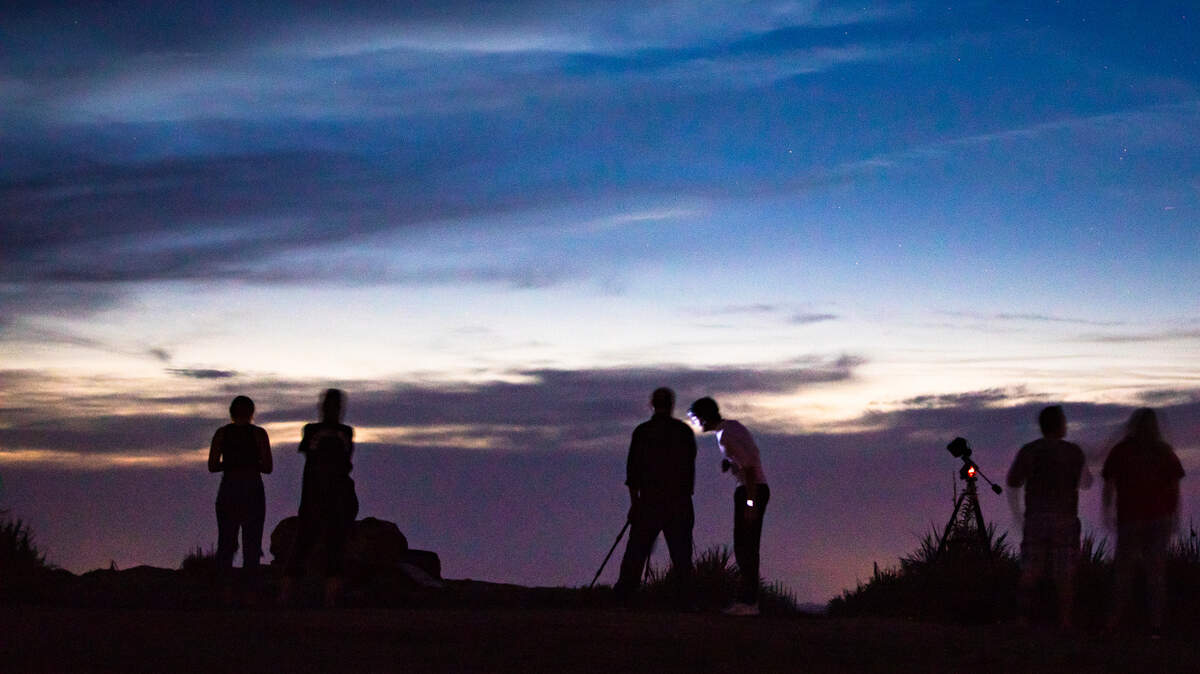
Be sure to look to the dawn sky this month to spot a five-planet alignment that hasn’t been seen since December 2004.
In the early morning hours throughout the month of June, the planets Mercury, Venus, Mars, Jupiter and Saturn will align in planetary order, according to Sky & Telescope.
While it’s rather common to see two or three planets close together in our sky, seeing five together is a more rare occurrence, a release from Sky & Telescope said.
“What’s even more remarkable about this month’s lineup is that the planets are arranged in their natural order from the Sun,” the release said.
The five-planet lineup will stretch across the sky from low in the east to higher in the south, the release says.
Mercury, though, will be more difficult to see, according to the release. At the beginning of the month, viewers will need an unobstructed view of the eastern horizon and a pair of binoculars to see the planet. Later in the month, however, Mercury will climb higher, making it easier to spot without any special equipment.
The next optimal date to try and catch the five-planet lineup is June 4 and then again on June 24, when the planets will appear farther apart along with a crescent moon, according to the release.
“If it’s cloudy on the dates of note, you still have all the mornings in between to take in the view of the five naked-eye planets adorning the southeastern horizon,” the release says. “Just make sure you set your alarm and wake up on time.”
The best time to see all five planets is 30 minutes before sunrise, Sky & Telescope’s observing editor Diana Hannikainen told CNN.
“Just keep looking throughout the month of June and as soon as you have a clear morning, go out and enjoy that view,” Hannikainen told CNN.
This special sight won’t return to the sky again until 2040, according to NASA.