
Contractor scams target homeowners across US, consumer watchdog warns. How to spot one
A homeowner couldn’t pass up an asphalt paving job that admittedly sounded “too good to be true,” according to a consumer watchdog group. Now, she’s out of $2,500.
This scam and others perpetrated by unethical contractors are on the rise, the Better Business Bureau said in a recent warning, often leaving unsuspecting homeowners with shabby or unfinished work.
“Once the transaction is complete, the scam contractor may disappear altogether,” the organization said. “In other cases, once complete, the contractor’s work is shoddy and unprofessional but the full payment has been made. In any of these scenarios, the chances of getting a refund or the work fixed are slim.”
These scams are often worked during the spring and summer months, and homeowners can lose thousands of dollars. In one case, in 2021, a victim lost $45,000, the BBB reported.
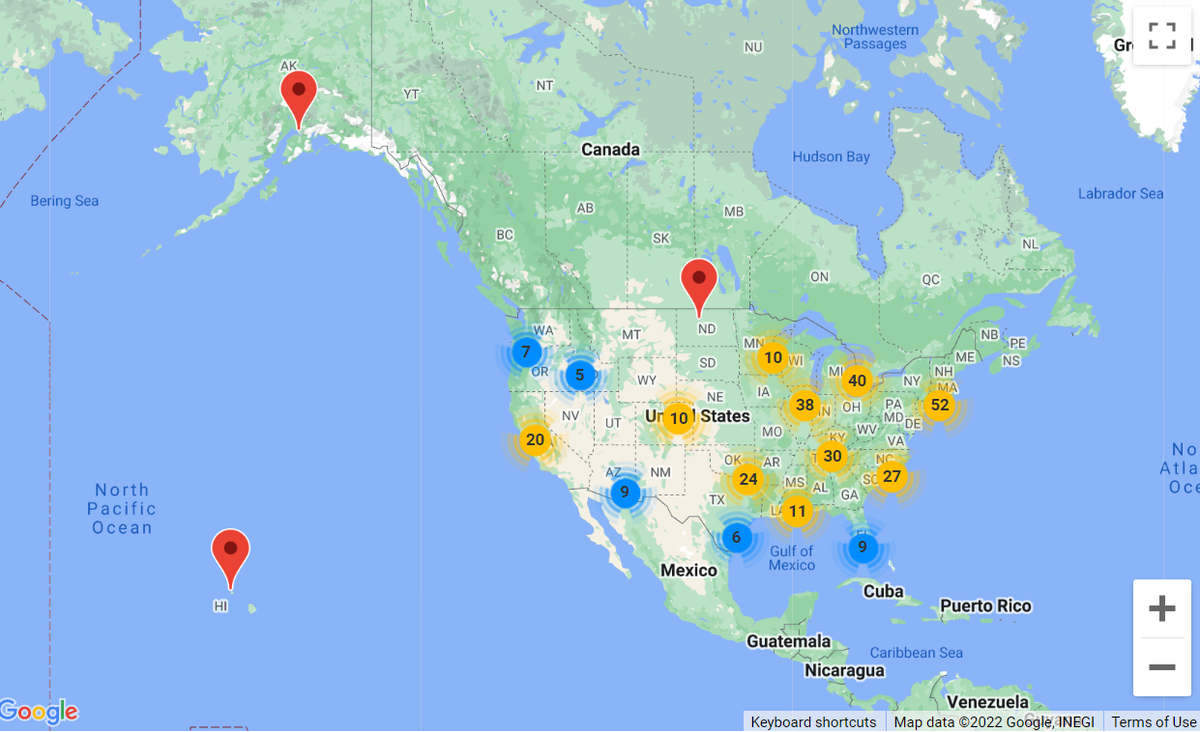
The BBB’s ScamTracker shows victims have reported more than 300 cases of the scams nationwide since June 2015.
Experts said the ruse typically begins with a leaflet or a knock on the door by a “contractor” who claims to have been working in the area and noticed needed repairs to your driveway. They offer you a deep discount but request a large portion of the payment upfront.
The scammer may be hesitant to answer questions about the price or details about the business, according to the BBB.
Further questioning may lead to intimidation or threats of a lawsuit, tactics the BBB says scammers use to strong arm you into paying.
A Long Island, New York resident wrote on the ScamTracker that they paid who they thought was a licensed contractor to patch up their driveway, patio and complete some other home improvement projects. Then, the scammer disappeared.
“We gave him a deposit $2,500 for work to start within 7 weeks,” they reported July 15. “That was April 13, 2021. Its been 15 months. He takes the deposits and never plans on doing the work. Disgusting sad man to scam people like this.”
In a similar incident, a Colorado resident reported paying $1,200 to a so-called contractor only for the “cracks they filled in with cement began pulling away from the original concrete within a week.”
How to spot a contractor scam
To avoid falling victim to these scams, the BBB said it’s best to:
- Be cautious of unsolicited offers from random contractors.
- Do your homework on companies and individual contractors before hiring them.
- Get everything writing including estimates and a written contract detailing start and finish dates, a summary of the work to be completed, cost of materials and a payment plan.
- Break up payments over the course of the project.
- Use a secure method of payment. A credit card is best.
More information on paving contractors in you area can be found at BBB.org.
This story was originally published July 21, 2022 at 2:50 PM with the headline "Contractor scams target homeowners across US, consumer watchdog warns. How to spot one."