Fleshy, parasitic plant identified by scientists smells like poop — for a good reason
Scientists have identified a new species of an African plant known for its putrid smell.
The Hydnora plant genus got an up-close examination of what differs among its plants in a review by U.K. and U.S scientists published in bioRxiv that has not yet been peer reviewed. The plant genus was first identified in 1775 and has included eight species.
Now it has gotten just a little bit bigger.
Hydnora plants are parasites, feeding off the nutrients and energy of other plants to sustain themselves. The plants grow on the root structure of a “host” species and have a stem structure that stays underground for most of the year.
When there is heavy rain, however, a fleshy flower “emerges only partially from (the) soil” and creates a spherical shape with a “V” opening. That’s where the bad smell comes from.
“Their bizarre, fleshy flowers attract pollinating beetles with a potent, (fetid odor), trapping them within their hollow reproductive chamber,” researchers said. “The beetles can escape when the flowers wither a few days later, and pollination follows.”
The smell is similar to poop that beetles, particularly dung beetles, would be attracted to normally. As the beetles travel from plant to plant, the reproductive material of Hydnora is spread and the plants stay alive in the African landscape.
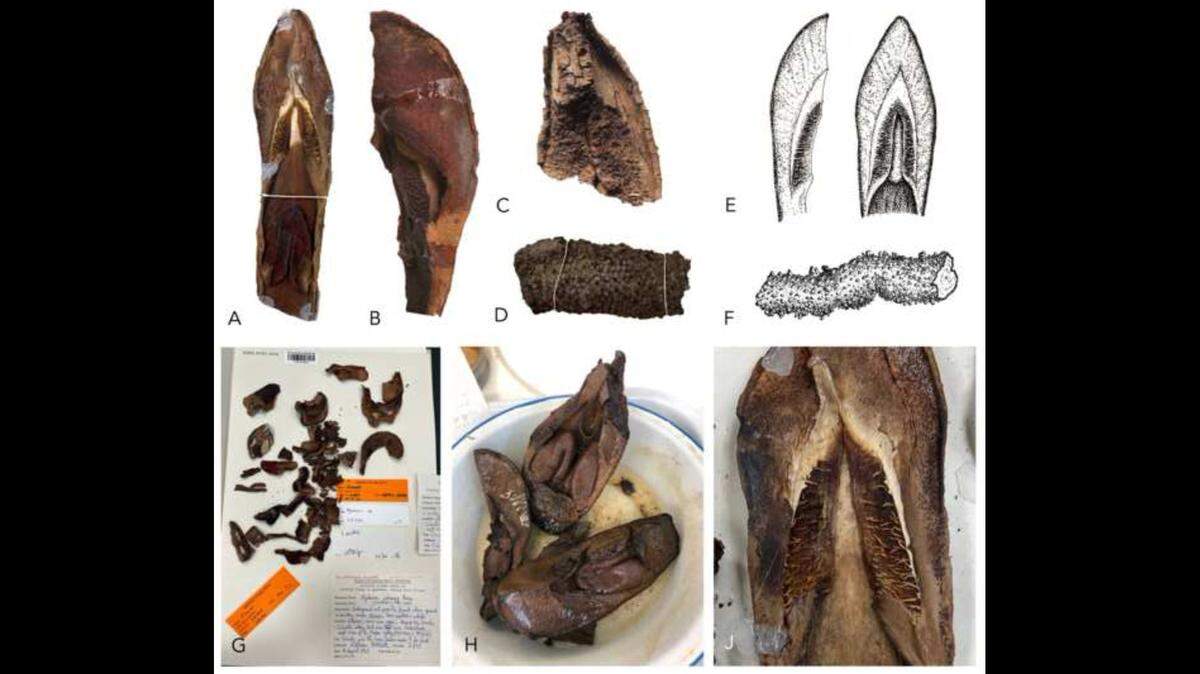
By using preserved specimens, the scientists were able to see that one of the plants was not quite like the others, prompting a closer investigation.
They found that one of the plants had a different shape to its petals. The difference was significant enough that the scientists have classified it as its own species for the very first time.
The new species, Hydnora bolinii, is found in Ethiopia, northern Kenya and Somalia. The classification of the species will allow scientists to study it more closely and how it interacts with the African ecosystem.
This story was originally published January 18, 2023 at 2:30 PM with the headline "Fleshy, parasitic plant identified by scientists smells like poop — for a good reason."