Man with prostate cancer suddenly develops thick Irish accent. Doctors found the cause
An American man suddenly started talking with an Irish accent during his treatment for prostate cancer, a new report says.
The case, published in BMJ, outlined the timeline of a man in his 50s who developed something called Foreign Accent Syndrome while he was undergoing treatment for the aggressive form of prostate cancer.
Foreign Accent Syndrome, also called dysprosody, is “a consistent change in speech prosody and articulation that leads the listener to perceive the affected speaker to have a foreign accent,” according to the case report.
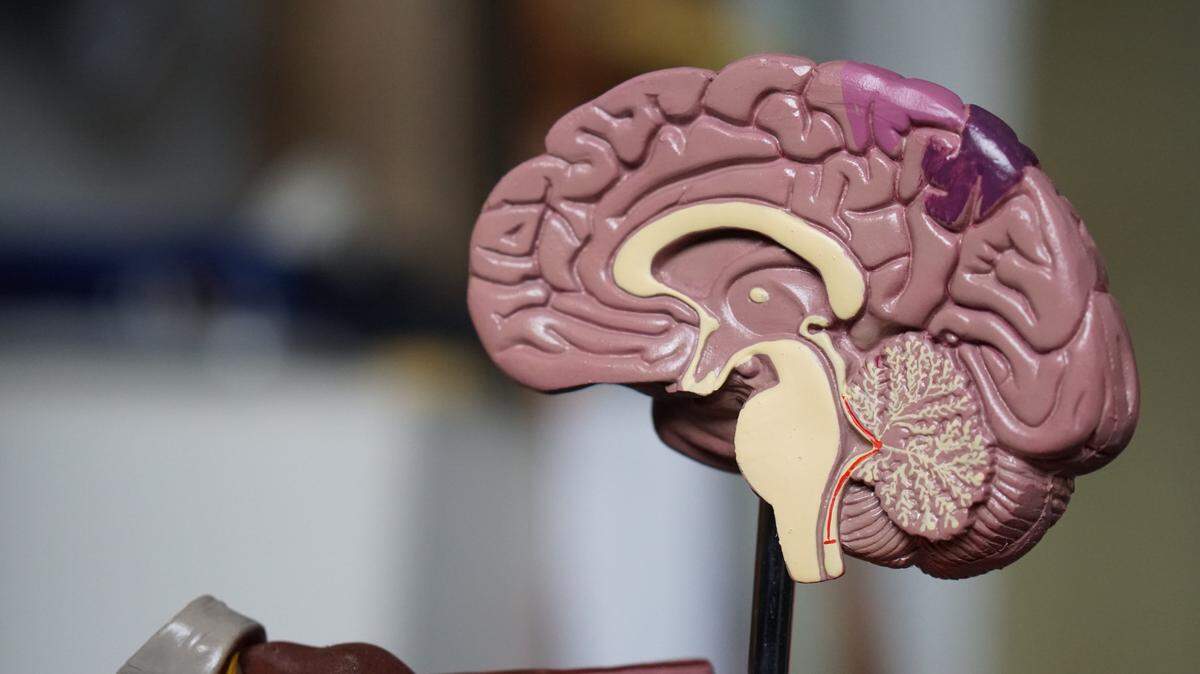
What experts found strange in this case was that the man was diagnosed with the syndrome despite not having a traumatic brain injury, like being in an accident or having a stroke. The syndrome happens in those who have damage to the left side of their brain, the portion that controls speech.
This man was different.
He first presented with metastatic hormone-sensitive prostate cancer, meaning cancer that had started in the prostate spread to other parts of his body, but it could be treated with hormone therapy.
The man started treatment with a localized radiation therapy and hormones. Just under two years later, his voice started to change.
He came to his doctors with “notable speech changes from his typical speech pattern to a consistent ‘Irish brogue’ accent,” the case report said.
“The patient had never been to Ireland and had never previously spoken in an Irish accent, though he had Irish family/friends and had lived in England briefly in his 20s,” his doctors reported.
Foreign Accent Syndrome was first described in 1907 and since has only been diagnosed in about 100 people worldwide. While it might sound like the person suddenly picked up an accent from another country, the phenomenon is actually caused by changing muscle patterns in their jaw and tongue that make the listener perceive their speech as an accent, according to experts at Penn State.
The man continued to undergo treatment for his cancer, but the accent didn’t go away. In an Irish accent, the man also described other symptoms he was having, including pain in his stomach and legs.
The doctors decided to take some more scans and found the cancer had progressed, spreading to his liver, bones and eventually his brain. The cancerous masses caused paraneoplastic syndrome, sometimes associated with prostate cancer, where your body has an immune response to a cancer in your nervous system, in this case the brain.
It was this syndrome the doctors believed led to the Foreign Accent Syndrome. The discovery was groundbreaking.
There have only been two known cases of Foreign Accent Syndrome caused by cancer. The first was in a woman who developed the syndrome in 2009 during treatment for breast cancer. The second was in a woman in 2011 who was having seizures and talking in an accent because of a tumor in her brain.
“To our knowledge, this is the first case of (Foreign Accent Syndrome) described in a patient with prostate cancer and the third described in a patient with malignancy,” the doctors said.
Despite efforts to fight the cancer, the man’s condition got worse, and he was moved to end-of-life care less than a year after developing the accent.
“His Irish brogue-like accent was maintained until his death,” doctors said.
This story was originally published February 15, 2023 at 10:10 AM with the headline "Man with prostate cancer suddenly develops thick Irish accent. Doctors found the cause."