What is ‘tranq’? Medicine used by veterinarians blamed in deaths, overdoses across US
As the United States faces the full extent of the opioid epidemic, a new street drug is making the crisis even harder to fight.
Xylazine, also known as tranq, is an animal tranquilizer being used to lace designer drugs such as fentanyl. It is starting to appear in higher doses around the country, garnering the attention of drug users and drug treatment centers alike.
Tranq has been called a “zombie-fying” drug that rots the flesh of those who use it. The truth is far from science fiction.
What is xylazine?
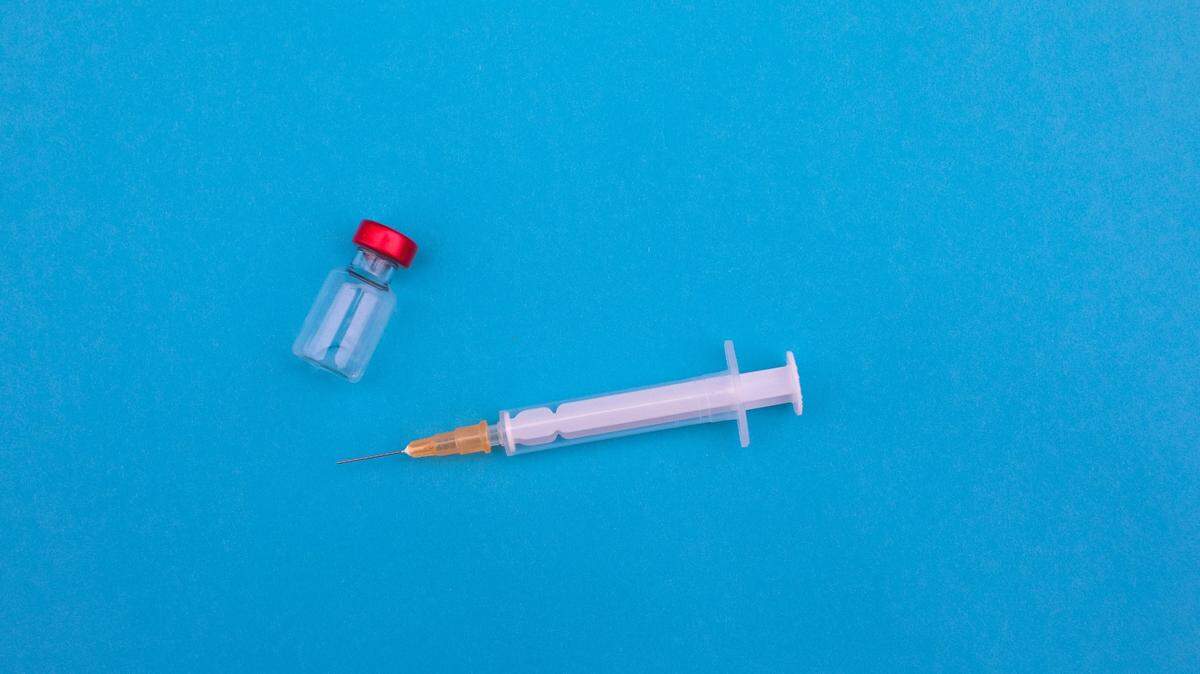
Xylazine, known by brand names Rompun, Sedazine or AnaSed, or by its street name tranq, is a veterinary medicine used as a sedative in a variety of animal species, according to the Drug Enforcement Administration.
The sedative works as a pain reliever and muscle relaxant, and is used by veterinarians for easier handling of large animals like such as cattle, horses or elk, or for diagnostic and surgical procedures in smaller animals such as dogs, cats, rats and sheep.
The DEA says the drug was created in 1962 by the Bayer Company, and though it was studied to potentially be used in humans, the clinical trials examining the drug were stopped because of the extreme side effects.
The drug caused hypotension and depression of the central nervous system, putting users into a sort of “zombie” state with little control over their bodies. In some cases, users black out for hours at a time and wake up with serious injuries that never heal, as reported by Kaiser Health News.
The drug was approved by the Food and Drug Administration for use in animals, but not humans.
A study published in Drug and Alcohol Dependence in April 2022 said that xylazine contributes to overdose deaths because it is often laced in other illegal drugs, particularly fentanyl. The symptoms of xylazine mimic fentanyl during an overdose, including shortness of breath and a decreased heart rate, so it’s difficult to tell them apart.
The study said that xylazine is a “sought-after” adulterant because it “lengthens the short duration of fentanyl injections.”
“See, the tranq like extends the high, it gives the dope more of a heroin effect, it’s a good rush with the heroin-like effect,” an intravenous drug user said in an interview for the study. “You’re sitting there one second talking, and then you’re waking up 2-3 hours later in a weird position.”
“I got some friends out here that got really torn up by it, you know they got holes in them, abscesses, basically it’s like the body is rotting,” another user said. “Whatever they’re doing with the tranq … everybody is getting these scabby sores all over their bodies …and many of them don’t shoot meth. So it’s from the dope. You know what I mean, you had the dope, then the fentanyl, not it’s the ‘tranq-fent’ the rhinoceros tranquilizer, the horse tranquilizer, you know?”
“Cooked up and it’s broken down and it’s added to the dope and we seek that out, you know what I mean? Our habits are fentanyl and tranquilizer,” the user said.
Where is tranq being used?
Tranq was introduced into the illegal drug market in Puerto Rico in the early 2000s, and was attributed to an overdose death in the United States as early as 2006, according to the Drug and Alcohol Dependence study.
The drug took off in Philadelphia after entering the illegal market there in the mid-2010s. By the later part of the decade, it was hard to “obtain real heroin” for drug users, according to the study.
The Food and Drug Administration released a warning in November 2022 after there was a sharp increase in overdose deaths attributed to xylazine, particularly in the Northeast.
But, this isn’t just a big-city problem.
Aegis, a medical sample testing company based in Nashville, Tennessee, has positively identified xylazine in 32 states.
Andrew Holt, a clinical pharmacist and lead author of a study outlining Aegis’ findings, said that the company receives requests from medical providers and outpatient facilities to test samples for various drugs. The company began to see an increase in requests to test for xylazine in 2020 and it now offers a xylazine-specific test.
Holt said that the study likely under-reported the number of states with xylazine and he thinks the distribution might be much larger.
“It’s becoming more and more obvious as time goes on that this is a very, very wide distribution,” he said. “It’s very difficult to believe that you could look at a state that may be surrounded by states that have xylazine and assume that it’s just magically not there, and it’s not the way this works.”
Aegis has identified xylazine on the west coast in California, Oregon and Washington, in the Midwest in Minnesota, Illinois and Missouri, and on the east coast in Maine, New Hampshire, New York and Pennsylvania, and many other states in between.
Is tranq making the opioid epidemic worse?
In 2019, xylazine was present in 1.8% of overdose deaths from 38 states, according to the Drug and Alcohol Dependence study.
By 2020, that number was 25.8% in Philadelphia, the hardest-hit city, and 19.3% in Maryland.
In areas that were just starting to see xylazine enter their illegal drug market, it contributed to a smaller but still significant number of deaths. For example, in Jefferson County, Alabama, overdose deaths from xylazine rose to 8.4% of overdose deaths by 2021.
Across the United States, the prevalence of overdoses from xylazine rose 44.8% from 2019 to 2020.
It’s important to note that xylazine is not an opioid. That means it doesn’t respond to anti-overdose medications the way fentanyl or oxycodone would. But, it is mixed with opioids, making it nearly impossible to talk about one without the other.
Naloxone blocks opioid receptors in the body, rendering opioids useless and preventing an overdose. It is typically used by first responders when they suspect someone has overdosed on opioids.
Since xylazine isn’t an opioid, naloxone can’t reverse the symptoms. If someone is overdosing and receives naloxone, their symptoms can persist, causing a first responder to continue administering naloxone to a dangerous level, Holt said.
He noted it was important to specify that if someone is experiencing an overdose caused by opioid use, first responders should still provide naloxone as soon as possible. The spray will work against the opioids, leaving room to treat the xylazine. After the dose of naloxone, the user should receive oxygen and be brought to medical professionals.
This story was originally published February 27, 2023 at 10:10 AM with the headline "What is ‘tranq’? Medicine used by veterinarians blamed in deaths, overdoses across US."