See ‘weirdly alive’ slime mold pulsing in Alaska national park. ‘There goes my lunch’
If you’re hiking in a rainforest ecosystems during the summer, you might stumble upon a “freaky” clump of organisms that looks like it could be breakfast.
It’s even nicknamed “scrambled egg slime,” officials said on Facebook.
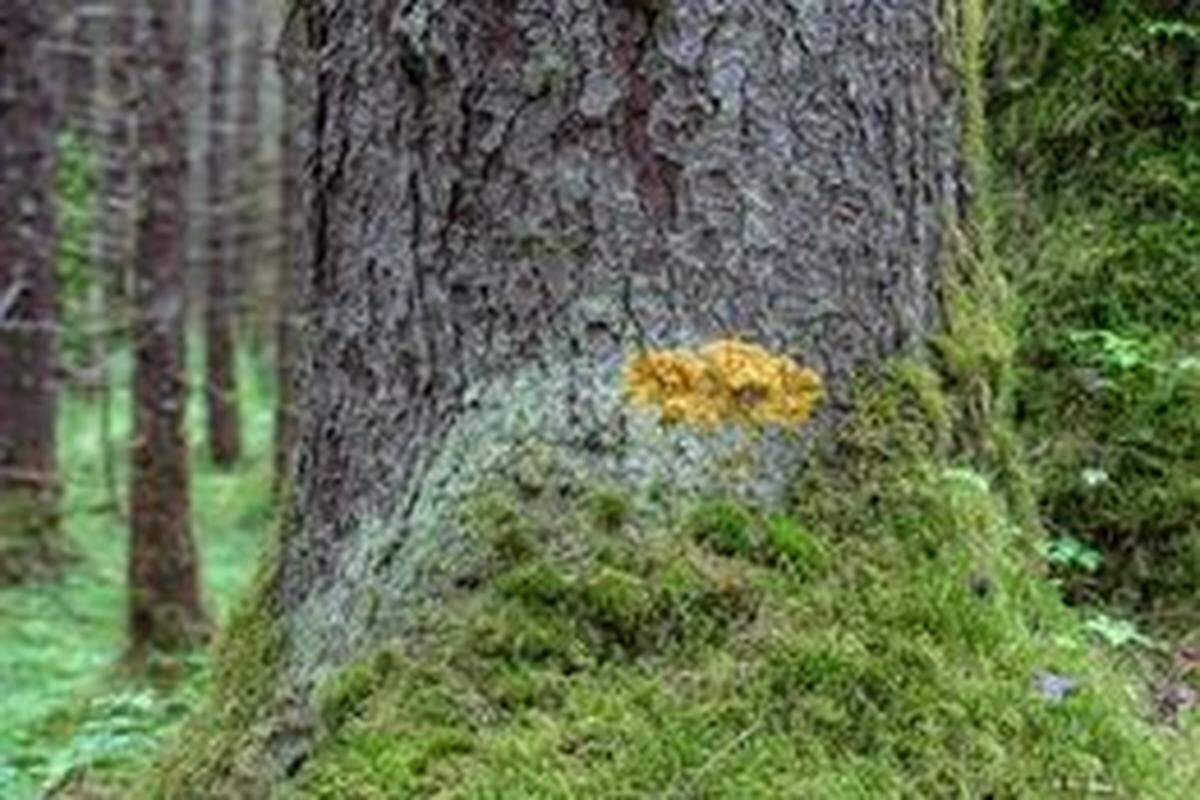
The slime mold was spotted on a spruce tree in Alaska’s Glacier Bay National Park and Preserve, officials said in the caption of a video posted to Facebook on July 7.
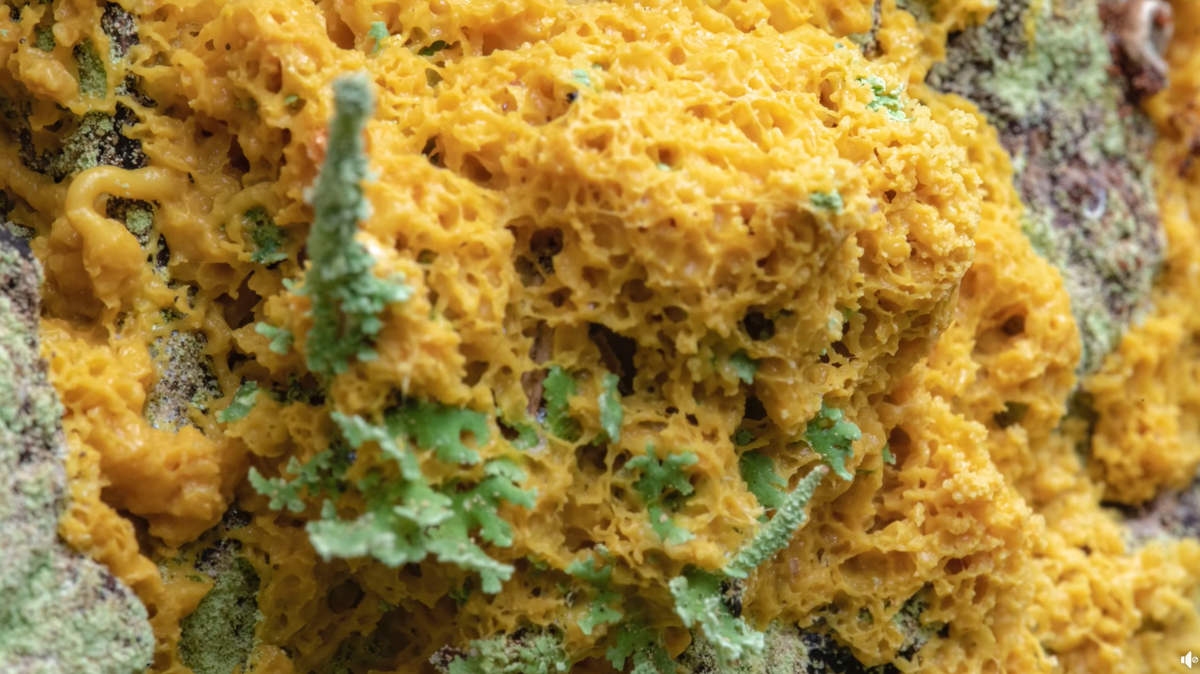
The video shows the vibrant yellow slime mold — “a collection of single-celled organisms” — pulsing together as it searches for nutrients on the base of the tree, officials said.
“We present, the weirdly alive, beautifully vibrant, commonly named dog vomit slime mold, or scrambled egg slime. (Scientific name: Fuligo septica),” officials said. “Well, there goes my lunch.”
Slime molds eat bacteria and shows up on dead and decaying logs in humid, rainforest ecosystems during the summer, officials said.
Oh, and it can crawl, too.
“Keep an eye on that thing before it crawls out of sight… While lacking feet, slime molds like this one can move inches, if not feet, per day through the forest by spreading their spores,” officials said.
The time-lapse video spans about two hours of real-time, officials said. It shows a 3 inch by 4 inch section of the entire 10 inch by 5 inch rectangular blob of slime mold on spruce bark.