Rescuers rush to save hiker having diabetic emergency on remote trail, WA cops say
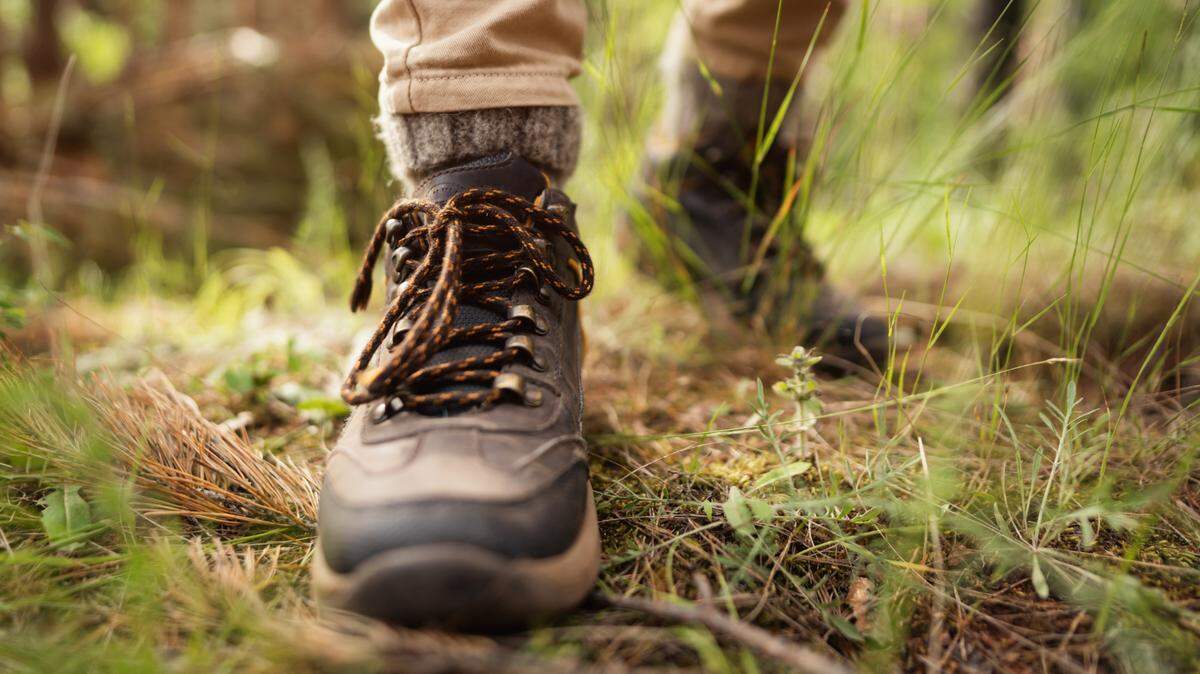
Rescuers rushed to save a hiker having a diabetic emergency on a remote Washington trail, deputies said.
The woman used a satellite communication device to call for help at about 7:30 a.m. Monday, Aug. 21, from Waptus Lake, the Kittitas County Sheriff’s Office said in a Facebook post.
She couldn’t keep food or water down for over 24 hours and couldn’t walk, deputies said.
She was 11 miles from the Snoqualmie Pass when her blood sugar began to rise “dangerously,” deputies said.
Because of the remote area, the sheriff’s office contacted the Whidbey Island Naval Air Station to have her hoisted from the mountains, deputies said.
By noon, she was removed from the area and taken to a hospital.
Authorities said the hiker was “well prepared” and had proper gear.
“However, sometimes bodies just break. When they do, it helps to be as prepared as she was to reach out for help,” the department said in the post.
The Waptus Lake trail is about an 18-mile out-and-back hike with an elevation gain of about 2,395 feet, according to AllTrails.
It’s about 105 miles east of Seattle.
How to be prepared while hiking
If you’re planning to hike, the National Park Service says there are 10 essentials you should take:
Navigation: Pack a map, compass and a GPS system. Make sure you study your route beforehand and understand how to use the tools.
Sun protection: Sunglasses, sunscreen and a hat can help protect your skin and eyes from UV rays.
Insulation: A jacket, hat, gloves, raincoat and thermal underwear can help you be prepared for rapidly changing weather conditions.
Illumination: A flashlight, lantern and headlamp can create light if you get stuck in the dark — and don’t forget to pack extra batteries.
First-aid supplies: It’s a good idea to have a first-aid kit on hand while hiking. Check the expiration date on items before you pack them.
Fire: Matches and a lighter can help start fire to act as an emergency signal in times of need.
Repair kit and tools: Duct tape, a knife, screwdriver and scissors can be helpful if items break during your hike or you need assistance.
Nutrition: You should pack an extra day’s worth of food in case something goes wrong. Park officials recommend having “salty and easy to digest snacks.”
Hydration: You should drink water often and before you feel thirsty if you’re hiking in hot weather. Keeping your body hydrated is “of utmost importance,” park officials said.
Emergency shelter: Packing a tent, space blanket, tarp and bivy can help you be prepared if severe weather breaks out or your plan takes a turn.
This story was originally published August 22, 2023 at 2:12 PM with the headline "Rescuers rush to save hiker having diabetic emergency on remote trail, WA cops say."