3 men caught in avalanche near Idaho peak, and one found dead a day later, cops say
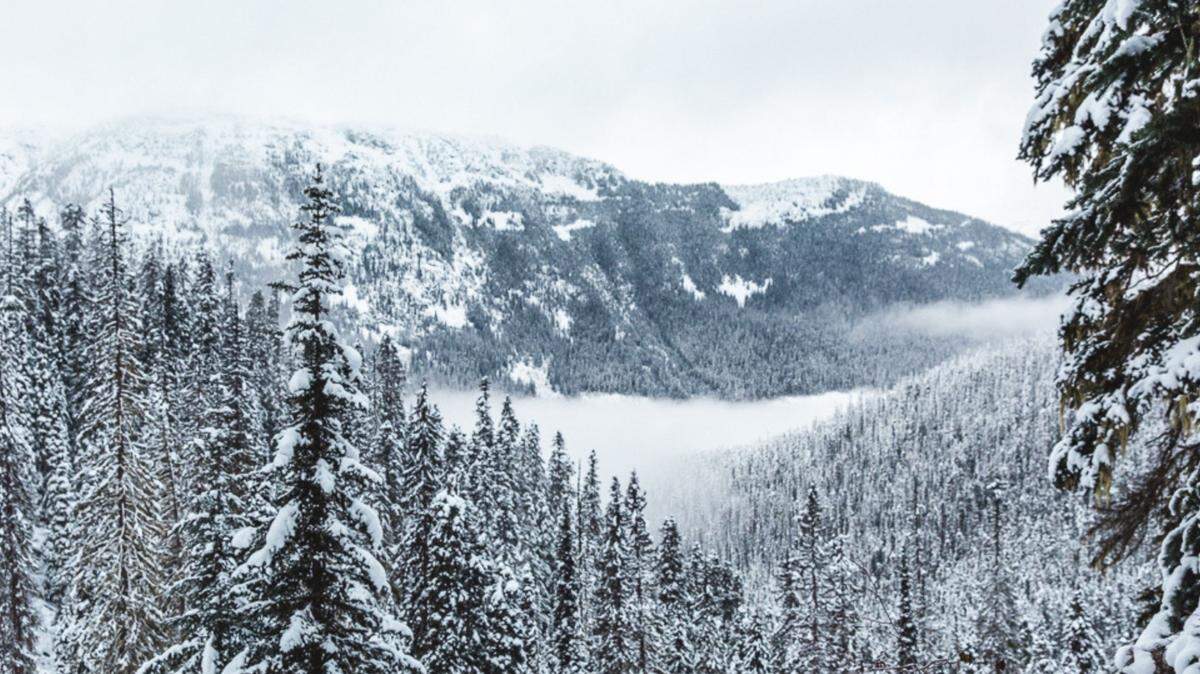
UPDATE: Rescuers recovered the body of Corey J. Zalewski from the area near Stevens Peak on Jan. 12, a day after he was caught in an avalanche, according to the Shoshone County Sheriff’s Office.
The original story is below.
One man is believed to be dead after three men were caught in an avalanche near an Idaho mountain peak, deputies said.
Two of the men sent authorities a Garmin GPS alert at 2:53 p.m. Jan. 11 near Stevens Peak, the Shoshone County Sheriff’s Office said in a Facebook post.
They used the satellite communication device to send their location to authorities.
Rescuers were able to find the two men, and they were given medical attention, deputies said. However, the third man is presumed to have died at the avalanche site, deputies said.
A recovery effort for the missing man will begin Jan. 12. Authorities haven’t released the men’s names.
Stevens Peak is in Idaho’s panhandle and borders Montana. It’s a popular spot for hiking, ice climbing, mountaineering and skiing.
What to know about avalanches
Avalanches happen quickly and catch people by surprise. They can move between 60 and 80 mph and typically happen on slopes of 30-45 degrees, according to experts.
Skiers, snowmobilers and hikers can set off an avalanche when a layer of snow collapses and starts to slide down the slope.
In the U.S., avalanches are most common from December to April, but they can happen at any time if the conditions are right, National Geographic reported.
At least 1 person in the U.S. has died in avalanches this season as of Jan. 12, according to the Colorado Avalanche Information Center.
People heading into snow should always check the local avalanche forecast at Avalanche.org, officials with the U.S. Department of Agriculture said, and have an avalanche beacon, probe and shovel ready.
“Emergency services are usually too far away from the scene of an avalanche, and time is important,” Simon Trautman, a national avalanche specialist, said. “A person trapped under the snow may not have more than 20 or 30 minutes. So, in a backcountry scenario, you are your own rescue party.”
If an avalanche breaks out, it’s best to move diagonal to the avalanche to an edge, Trautman said.
“Try to orient your feet downhill so that your lower body, not your head, takes most of the impact,” officials said. “You may also get into a tight ball as another way to protect your head.”
This story was originally published January 12, 2024 at 8:53 AM with the headline "3 men caught in avalanche near Idaho peak, and one found dead a day later, cops say."