
Deformed 10-foot alligator in Georgia swamp leaves researchers puzzled. See photos
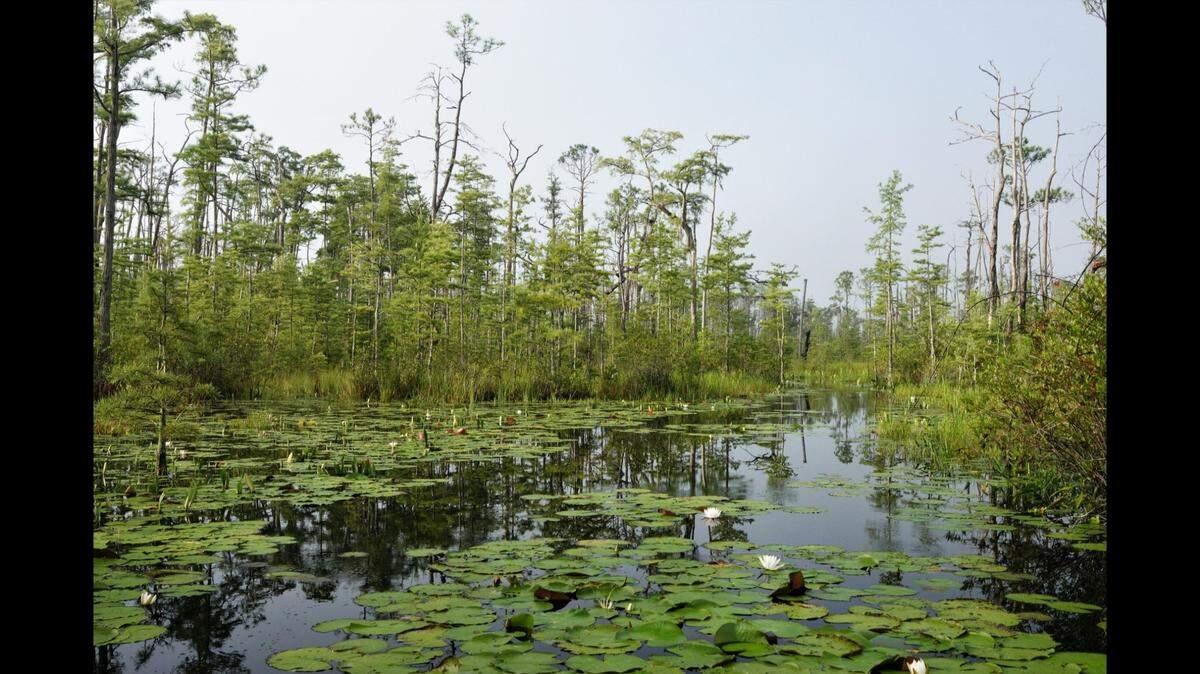
The mere mention of a dark Georgia swamp can conjure images of unsettling creatures lurking within, and now a massive, deformed beast can be added to the list.
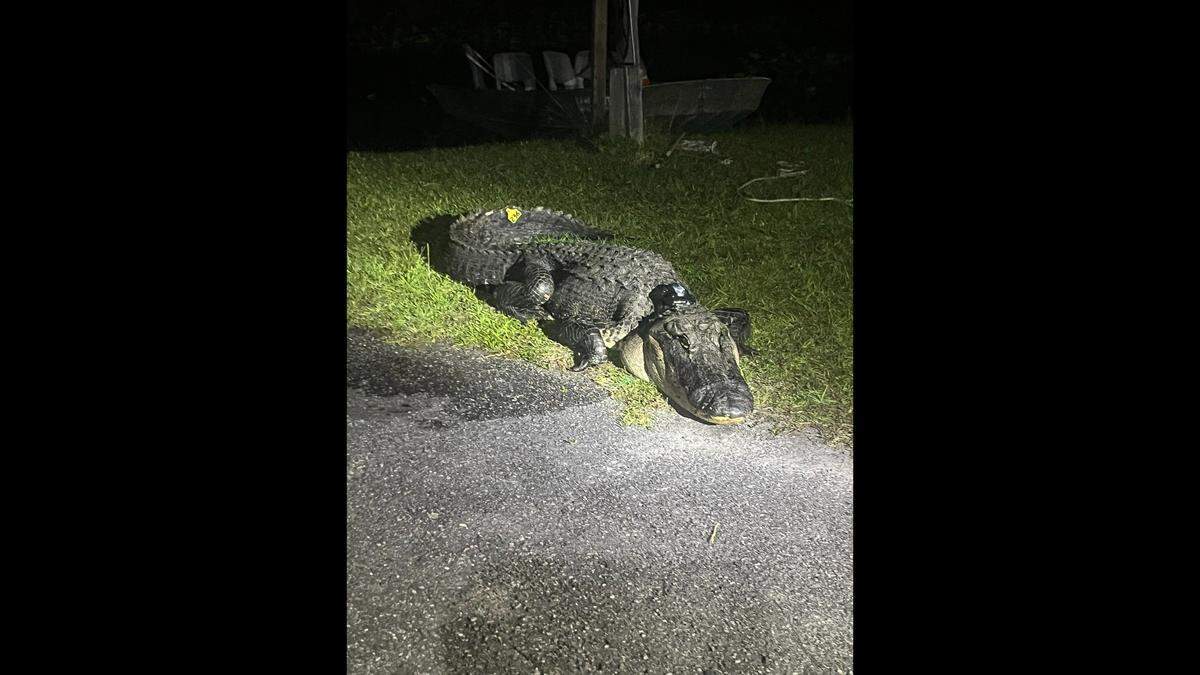
A 10-foot, 6-inch, 400-pound hunchback alligator was caught in Okefenokee Swamp by researchers with the University of Georgia’s Coastal Ecology Lab.
They strapped a tracker to its back and released the gator back into the murky water. In the process, the team discovered it was also missing one foot.
“We suspect that the missing foot is an old injury as it is completely healed and there is no scarring,” the lab wrote in a May 27 Facebook post.
“However, we are unsure what caused the hunch in his back. It could be an old injury that did not quite heal right, but it also could be a genetic deformity that he has had for most of his life. Despite his injuries and suspected old age, he is still in great shape.”
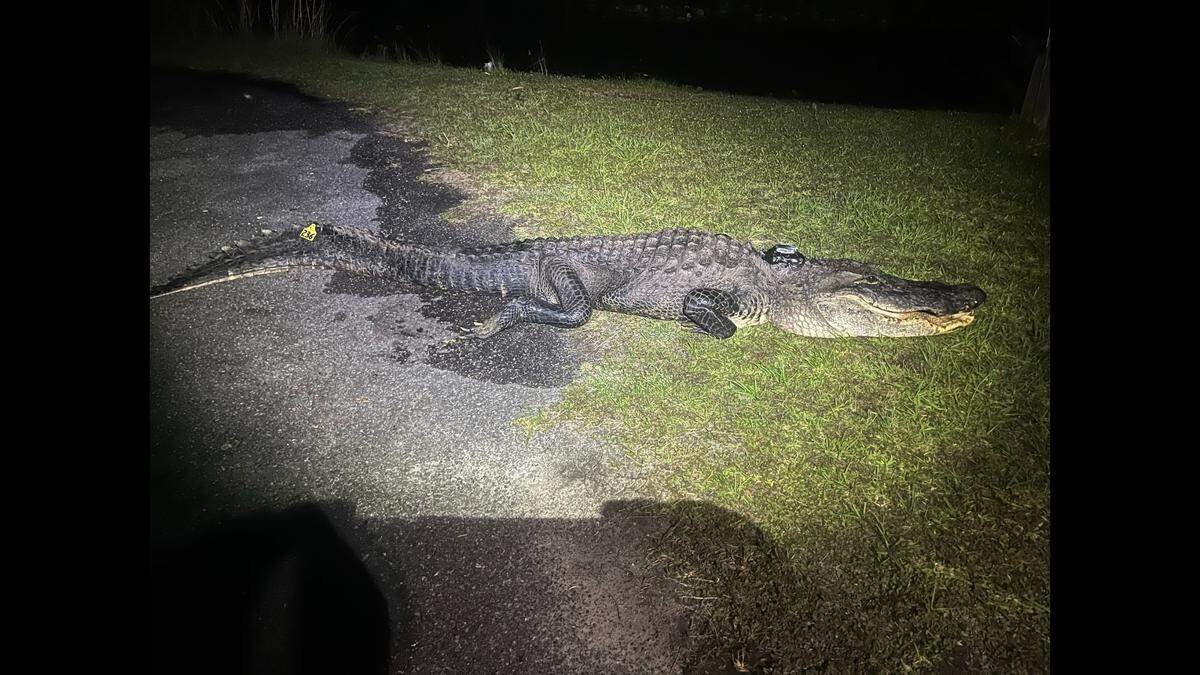
The alligator was named CIM and fitted with a satellite tracker tag as part of an ongoing genetics study tracking alligator movement in the massive swamp. CIM was irritable when caught and broke a big game fishing rod used to handle alligators, the team said.
It’s suspected he is mating with another alligator tagged as part of the study, and tracking could show a hookup in coming weeks. Alligator mating season officially begins in May and runs through June, experts say.
CIM lives in Stephen C. Foster State Park at the western entrance of Okefenokee National Wildlife Refuge — a 353,981-acre “blackwater” swamp near the Florida state line.
In addition to very large alligators, the swamp is home to multiple species of venomous snakes, along with bears, bobcats and feral hogs.
It’s easy to assume a hunchback alligator might soon make its way into the region’s already wild folklore, which includes mysteriously shaking trees, Bigfoot sightings and UFOs, Roadtrippers reports.
“Claims of glowing orbs following people down the road also have a scientific basis: Swamp gas, also called ‘foxfire’ and ‘swamp flatulence,’ is formed by decaying organic matter,” the site reports.
“There’s plenty of decay going on in the swamp — it’s what forms those trembling earth patches.”
This story was originally published May 29, 2024 at 6:24 AM with the headline "Deformed 10-foot alligator in Georgia swamp leaves researchers puzzled. See photos."