
Large shark with satellite tracker vanishes in Gulf of Mexico. It’s hiding, experts say
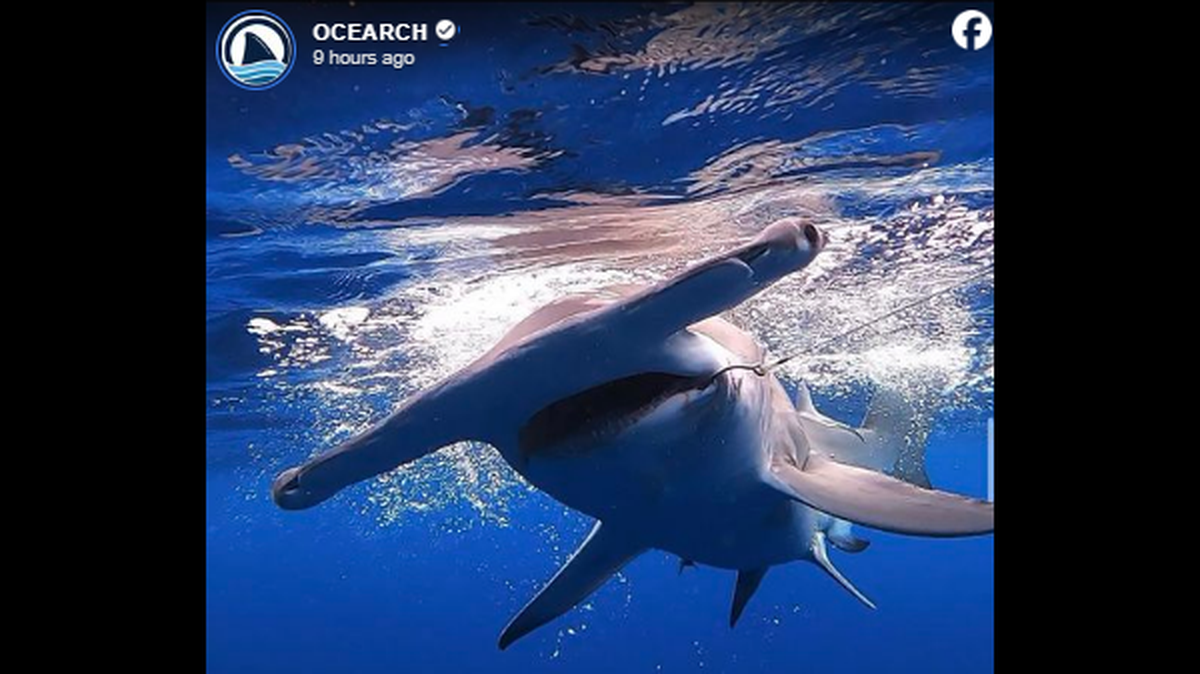
Sharks are apex predators but that doesn’t mean they won’t go into hiding.
That was the case when an 8-foot, 10-inch great hammerhead shark vanished from satellite tracking in the Gulf of Mexico, researchers with OCEARCH reported in a July 8 Facebook post.
The shark, named B.P. Armstrong, was trying to outrun something, experts say.
“After giving us consistent pings on the tracker, B.P. Armstrong has now not pinged since July 4,” OCEARCH wrote.
“It is likely that he went deep as Hurricane Beryl approached the Gulf. This is a common hurricane response our team has seen in sharks and it will be interesting to see where and when B.P Armstrong resurfaces.”
As of July 9, the shark had yet to reappear, tracking shows.
B.P. Armstrong was tagged Feb. 24 off Mexico’s Isla Mujeres and frequents waters northeast of the Yucatan Peninsula. The area took a direct hit from Hurricane Beryl.
The storm reached Category 5 status, with maximum strength winds of 165 mph, Climate.gov reports. Beryl was a Category 1 hurricane when it made landfall Monday, July 8, in Texas, the Associated Press reports.
The reactions of sharks to storms have been the subject of studies, including one published in 2021 that found large bull sharks, great hammerheads and most nurse sharks will leave shallow waters as hurricanes near.
Great hammerhead sharks can reach 20 feet, but the average is closer to 13 feet and 500 pounds, Oceana reports.
This story was originally published July 9, 2024 at 4:23 AM with the headline "Large shark with satellite tracker vanishes in Gulf of Mexico. It’s hiding, experts say."