Flesh-eating parasite with ‘sharp mouth hooks’ has US on alert for first time since 1966
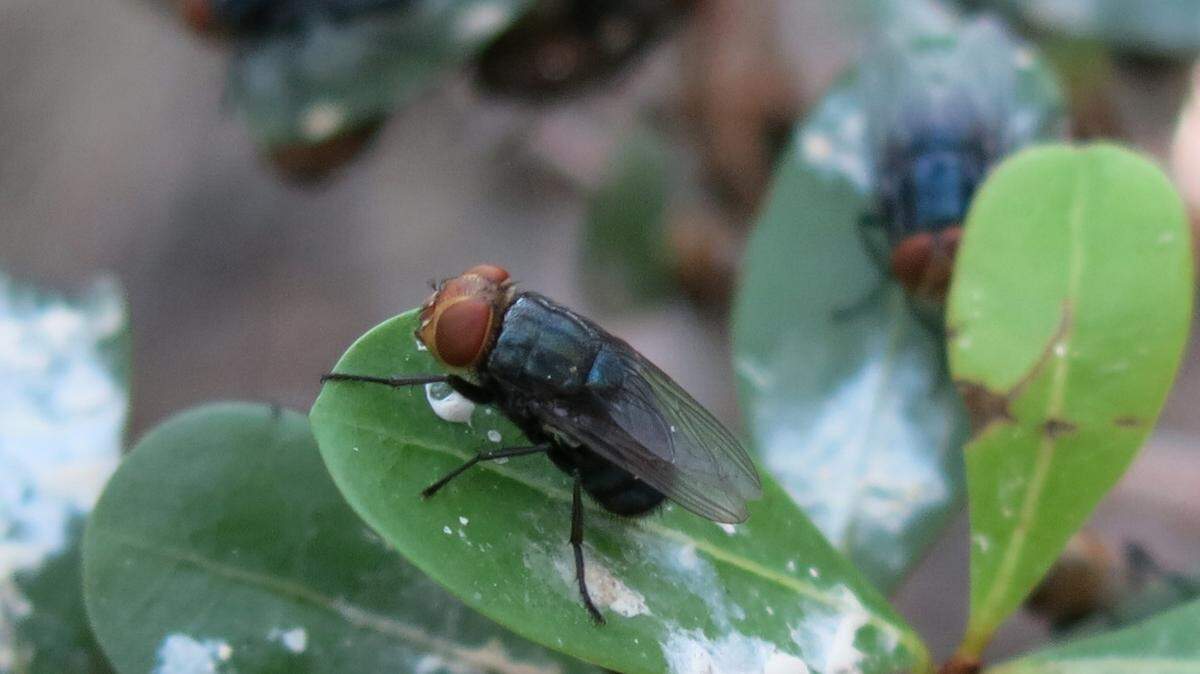
A recent detection of a flesh-eating parasite in southern Mexico has U.S. officials concerned that the previously eradicated New World Screwworm (NWS) could make its way back into the country for the first time since the 1960s.
The pest was found in a cow in southern Mexico, near the border of Guatemala, according to Texas Parks and Wildlife in a Dec. 30 news release. Officials are asking southern Texans who hunt or spend time outdoors to keep an eye out.
“As a protective measure, animal health officials ask those along the southern Texas border to monitor wildlife, livestock and pets for clinical signs of NWS and immediately report potential cases,” officials said in the release.
The screwworm was eradicated in the U.S. in 1966 and in Mexico in 1991, according to the U.S. Embassy in Costa Rica. The pest can still be found in Cuba, Haiti, the Dominican Republic and in South America and is continuing to spread back north, according to the U.S. Department of Agriculture.
Though the pest primarily affects livestock, officials say humans, wildlife and pets can also be infected.
What to know about New World Screwworms
The New World Screwworm are larvae and maggots with ‘sharp mouth hooks’ that latch onto open wounds or live tissue on the body, Texas officials said. The NWS flies lay eggs in the wounds or areas of exposed tissue where the worms later hatch.
If a wound is infested, it can become larger and cause damage or death to an animal, according to Texas officials.
Screwworm larvae only feed on living flesh and never on dead tissue, the embassy in Costa Rica said.
“The wounds often contain a dark, foul-smelling discharge,” they said on their website.
The infection is called NWS myiasis, Texas officials said. Signs of an infection include:
- Irritated or depressed behavior
- Loss of appetite
- Head shaking
- Smell of decaying flesh
- Presence of fly larvae (maggots) in wounds
- Isolation from other animals or people
The disease can be transmitted when a fly notices the odor of a wound or “natural opening on a live, warm bodied animal,” officials said. The NWS fly, which is about double the size of a typical house fly, then lays up to 300 eggs at a time in the wound.
Then, the larvae burrow into the opening and latch onto the skin.
Texas officials recommend that all wounds be covered and insect repellent be applied when outdoors.
This story was originally published December 31, 2024 at 11:31 AM with the headline "Flesh-eating parasite with ‘sharp mouth hooks’ has US on alert for first time since 1966."