Trump wants to open 600,000 acres in California’s Los Padres Forest to logging and roads
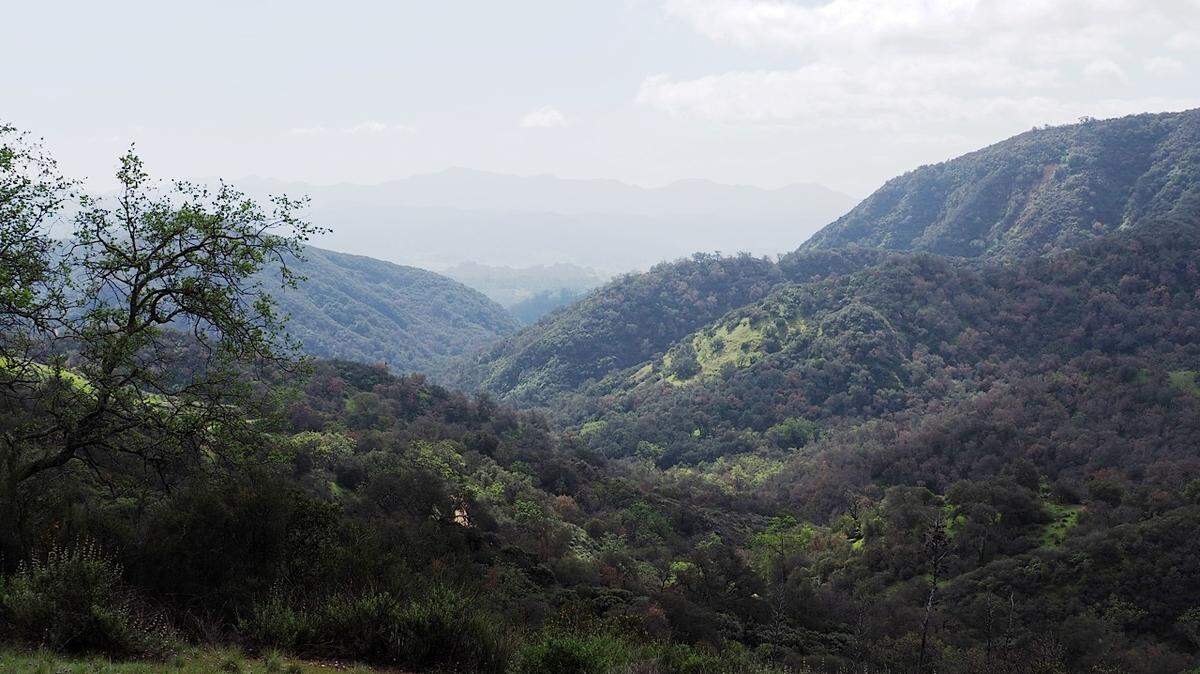
More than 600,000 acres of the Los Padres National Forest in California could re-open to industrial logging and road-building if the Trump administration achieves its goal of rescinding the Roadless Rule.
U.S. Secretary of Agriculture Brooke Rollins said repealing the rule will improve wildfire management in national forests.
“This move opens a new era of consistency and sustainability for our nation’s forests,” she said in a news release. “It is abundantly clear that properly managing our forests preserves them from devastating fires and allows future generations of Americans to enjoy and reap the benefits of this great land.”
Bryant Baker, the director of conservation at Los Padres ForestWatch, disagreed with that assessment.
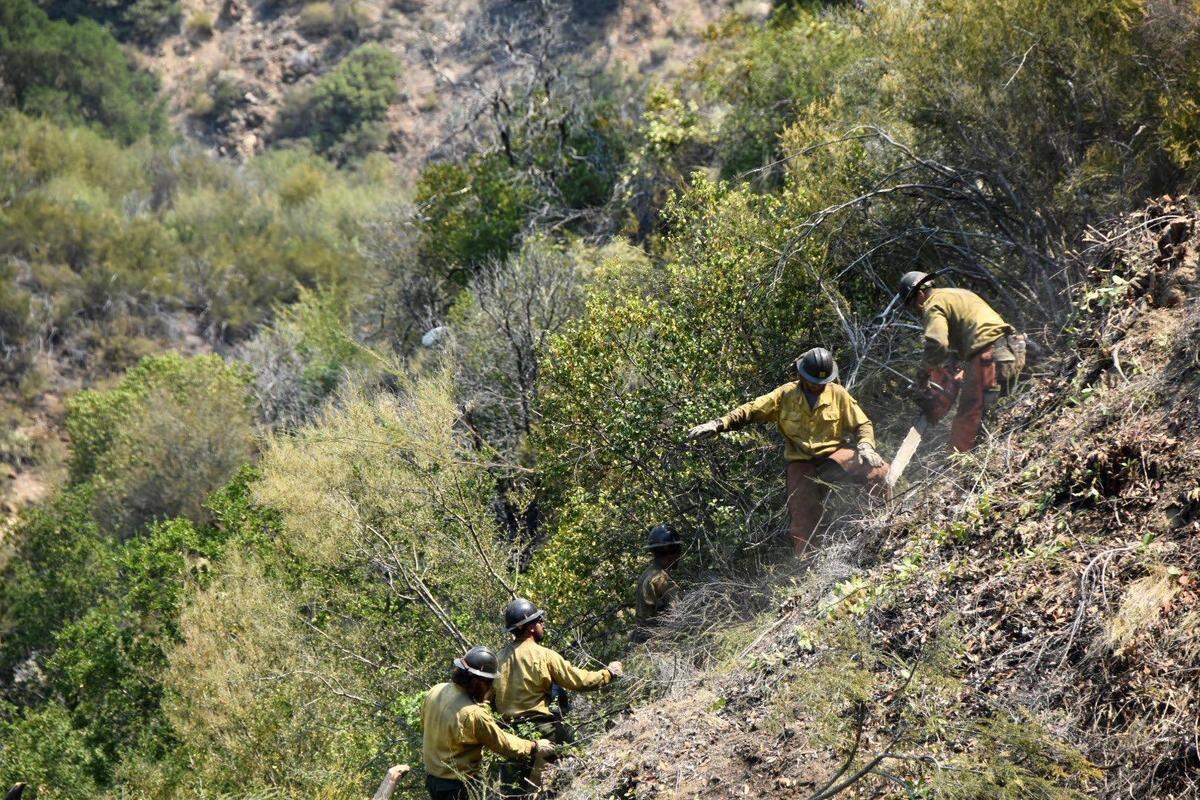
He said building new roads increases the risk of human-caused wildfires, and timber harvesting removes large trees that are most resilient to wildfire.
The Trump administration’s attempt the rescind the Roadless Rule joins other efforts to weaken the protection of public lands, such as reducing the scope of the National Environmental Policy Act or Trump’s March order to expand timber production, Baker said.
“Not having the Roadless Rule — it’s taking away one more important piece of this conservation puzzle,” he said.
What is the Roadless Rule?
Established in 2001 by the Clinton administration, the Roadless Rule prohibits industrial timber harvesting and road-building across 58.5 million undeveloped acres of National Forest System land in the United States.
On June 23, the U.S. secretary of agriculture announced plans to repeal the Roadless Rule.
“Once again, President Trump is removing absurd obstacles to common sense management of our natural resources by rescinding the overly restrictive Roadless Rule,” Rollins said in a news release.
If the rule is repealed, about 30% of National Forest System land would re-open to industrial logging and road construction.
The Roadless Rule currently protects 635,106 acres of the Los Padres National Forest, which includes habitat for endangered species like the California condor and 349 miles of hiking trails, Baker said.
Chaparral shrubs like stubby oak trees and flowering California lilac bushes carpet the majority of the Los Padres National Forest. While chaparral ecosystems aren’t vulnerable to industrial logging, they could be disrupted by road construction, Baker said.
Contractors could be interested in building roads through chaparral ecosystems for recreation or to access remote, forested areas for timber harvesting.
Meanwhile, conifer forests on Mount Pinos, and in northern Ventura County and southern Kern County would be at risk to industrial logging, Baker said.
.jpg "mick-kirchman-7_rRzKHzJsc-unsplash (1).jpg")
Would removing the Roadless Rule impact fire risk?
Trump’s secretary of agriculture said repealing the Roadless Rule would support fire prevention, adding that 28 million acres of National Forest System land protected by the rule were considered at high or very high risk for wildfire.
Roads can act as fire breaks and improve access to remote areas for emergency responders, but building more roads would also increase human-caused sparks that ignite wildfires, according to a 2012 study published in Science Direct.
“Building roads inherently tends to increase fire risk,” Baker said.
The chaparral shrub lands of the Los Padres National Forest are covered in flashy fuels that burn quickly when ignited.
“We definitely don’t want to be doing anything in this region that is increasing fire frequency,” he said.
Meanwhile, Baker said timber harvesting is not an effective fire management tool — as older, larger trees tend to be more fire resistant.
By removing them, “you’re removing some inherent resistance and resilience from those ecosystems,” Baker said.
Additionally, the U.S. Forest Service is already allowed to perform vegetation management projects in areas protected by the Roadless Rule, but the project must first undergo an environmental review process, he said.
What’s next?
As of Tuesday, the Trump administration had not taken official action to rescind the Roadless Rule — at least not any that had been published in the Federal Registrar.
Once the repeal is proposed, the U.S. Department of Agriculture will perform an environmental analysis under the National Environmental Policy Act on the proposed action before making a decision.
Meanwhile, Oregon Democrat Rep. Andrea Salinas introduced the Roadless Area Conservation Act in the U.S House of Representatives. This bill would codify the Roadless Rule into law.
The bill is co-sponsored by Rep. Jimmy Panetta, who represents the northern half of San Luis Obispo County, and Rep. Salud Carbajal, who represents the southern half.
This story was originally published July 2, 2025 at 10:00 AM with the headline "Trump wants to open 600,000 acres in California’s Los Padres Forest to logging and roads."