Bear with cubs rushes from brush, charges hiker in MT national park, officials say
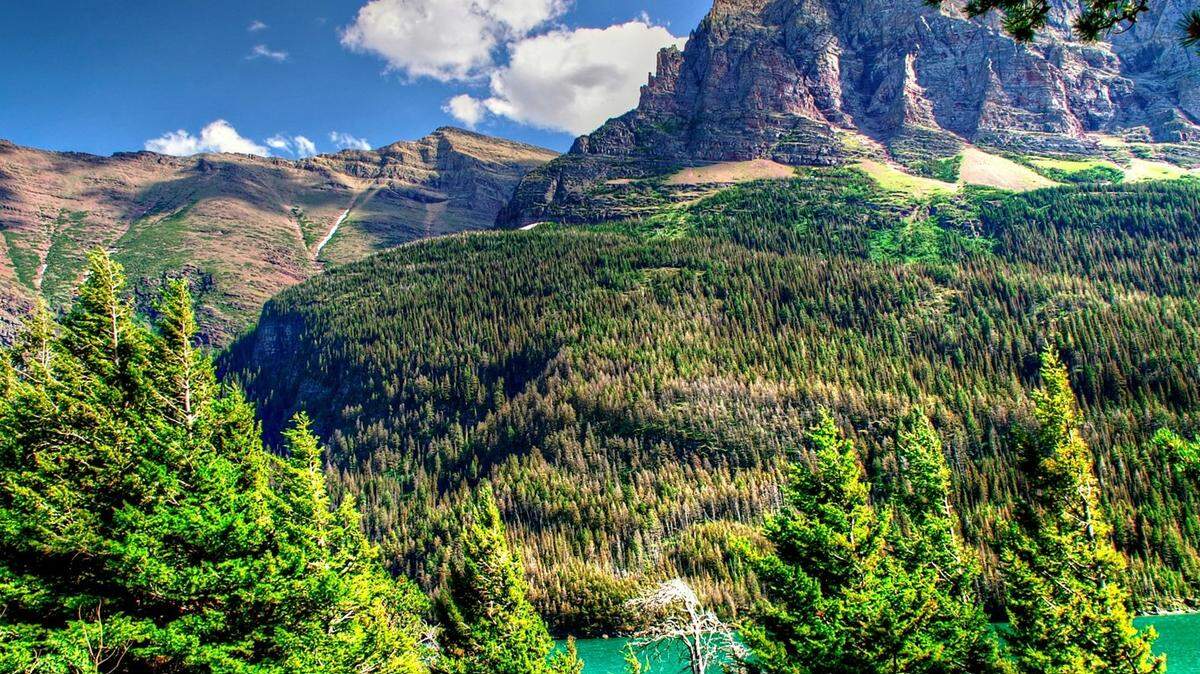
A bear with two cubs charged a backcountry hiker in a Montana national park, officials say.
The 34-year-old and her hiking partner were in Glacier National Park near “Lake Janet when a medium brown colored bear with two cubs charged out of the brush” at about 3:15 p.m. Wednesday, Aug. 28, the National Park Service said in a news release.
“The woman dove off the trail, while covering her head,” and was injured on her arm and shoulder when “the bear swiped at her,” officials said.
At the same time, the woman’s hiking partner used bear spray, “causing the bear to immediately run away,” officials said.
The encounter with the bear “lasted fewer than 30 seconds,” according to officials.
The two hikers proceeded toward Lake Janet Wilderness Campground and “found other hikers with an InReach device, which they used to send an SOS to park dispatch,” officials said.
Park dispatch got the SOS alert at about 3:45 p.m. and rushed to the woman’s location, officials said.
The woman, who was in stable condition, was taken to a hospital in Kalispell, according to officials.
“No action will be taken against the bear at this time,” officials said, adding that “the encounter was a surprise to a sow with two cubs that reacted defensively.”
Officials also noted that the trail the hikers were on is “confined by the lake and dense brush, which the bear came out of.”
Officials said they could not identify the bear’s species.
The Lake Janet Wilderness Campground was closed, and park staff will reopen it when it is deemed appropriate, officials said.
“Visitors are reminded that the fall season is when bears are more likely to be active due to hyperphagia,” officials said. “As bears prepare for the long winter, during which they will hibernate, they need to eat as much as they can to prepare to go months without food.”
What to do if you see a bear
Bear attacks in the U.S. are rare, according to the National Park Service. In most attacks, bears are trying to defend their food, cubs or space.
There are steps people can take to help prevent a bear encounter from becoming a bear attack.
- Identify yourself: Talk calmly and slowly wave your arms. This can help the bear realize you’re a human and nonthreatening.
- Stay calm: Bears usually don’t want to attack; they want to be left alone. Talk slowly and with a low voice to the bear.
- Don’t scream: Screaming could trigger an attack.
- Pick up small children: Don’t let kids run away from the bear. It could think they’re small prey.
- Hike in groups: A group is noisier and smellier, the National Park Service said. Bears like to keep their distance from groups of people.
- Make yourself look big: Move to higher ground and stand tall. Don’t make any sudden movements.
- Don’t drop your bag: A bag on your back can keep a bear from accessing food, and it can provide protection.
- Walk away slowly: Move sideways so you appear less threatening to the bear. This also lets you keep an eye out.
- Again, don’t run: Bears will chase you, just like a dog would.
- Don’t climb trees: Grizzlies and black bears can also climb.