
Angry mama bear chasing man attacks him when he trips on leashes, CO officials say
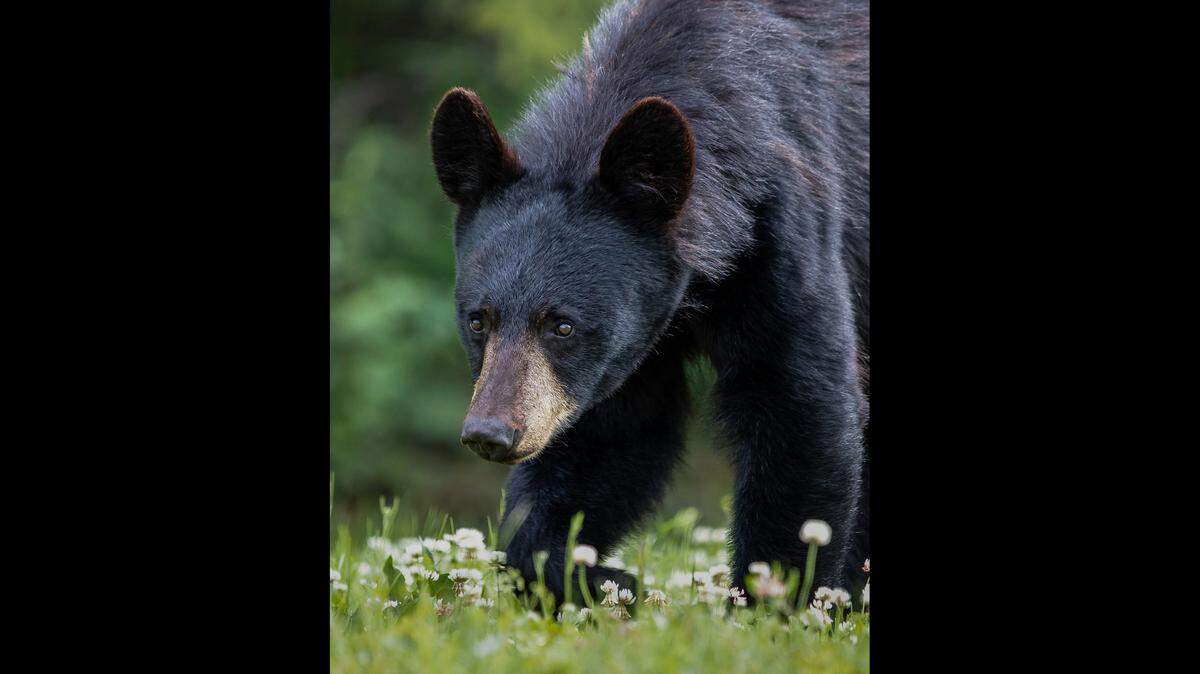
A man tripped over his dogs’ leashes while trying to escape a bear and was attacked, Colorado officials said.
On Sept. 6, Colorado Parks and Wildlife rangers responded to an area in Boulder after a man, walking his two dogs, was charged at by a bear with her cub in the area, according to a news release by the agency.
The injuries were minor, officers said.
At this time of a year, bears are preparing to enter hibernation, and residents are reminded to secure their trash, officers said.
“Colorado Parks and Wildlife should always be the first call when bears are spotted in town,” Area Wildlife Manager Jason Duetsch said. “The resident experiencing bear conflicts should contact CPW directly as we are able to provide education, advice and track wildlife movement in order to make more-informed management decisions. While bears are trying to bulk up for winter, it’s especially important to stay vigilant about trash so they are not rewarded with non-natural food.”
During these late summer months through fall, bears will eat up to 20,000 calories a day to help sustain themselves throughout the winter, officers said.
“Trash is, by far, the number one attractant to bears,” so residents are urged to keep trash locked away until pick-up and to lock garages, cars and windows, officers said.
Boulder is about a 30-mile drive northwest from Denver.
What to do if you see a bear
Bear attacks in the U.S. are rare, according to the National Park Service. In most attacks, bears are trying to defend their food, cubs or space.
There are steps people can take to help prevent a bear encounter from becoming a bear attack.
Identify yourself: Talk calmly and slowly wave your arms. This can help the bear realize you’re a human and nonthreatening.
Stay calm: Bears usually don’t want to attack; they want to be left alone. Talk slowly and with a low voice to the bear.
Don’t scream: Screaming could trigger an attack.
Pick up small children: Don’t let kids run away from the bear. It could think they’re small prey.
Hike in groups: A group is noisier and smellier, the National Park Service said. Bears like to keep their distance from groups of people.
Make yourself look big: Move to higher ground and stand tall. Don’t make any sudden movements.
Don’t drop your bag: A bag on your back can keep a bear from accessing food, and it can provide protection.
Walk away slowly: Move sideways so you appear less threatening to the bear. This also lets you keep an eye out.
Again, don’t run: Bears will chase you, just like a dog would.
Don’t climb trees: Grizzlies and black bears can also climb.