‘Tupperware’ unearthed in Italy is 1,600 years old and reveals life in ancient Rome
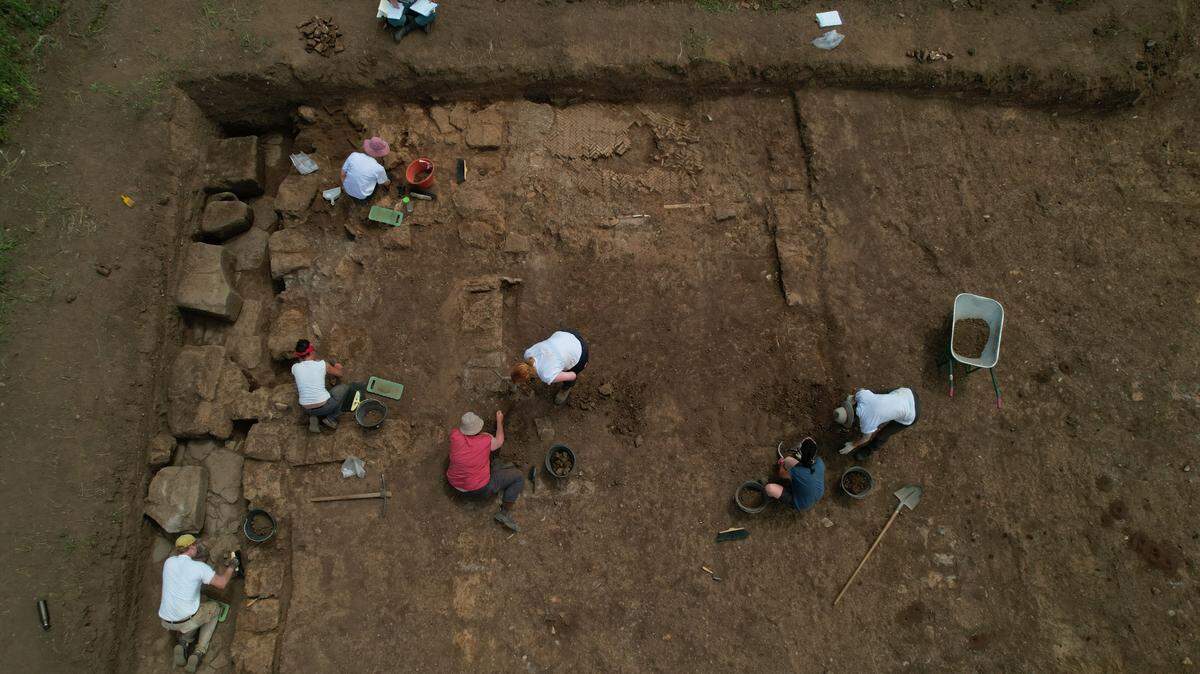
Archaeologists in Italy unearthed “tupperware” — over 1,600 years old — that reveals more about day-to-day life in the ancient Roman empire.
A joint team of international archaeologists began excavating the ruins of Falerii Novi, an ancient city founded over 2,200 years ago about 30 miles north of Rome, Italy, according to a news release from the University of Toronto. The city is now buried under fields and olive tree groves but, at its peak, housed about 15,000 residents.
The excavations revealed original city walls, coins, a market building, and a house believed to belong to an elite family, researchers said. The teams began to find one type of item so frequently that they dubbed it the “tupperware of antiquity,” the release said.
“Ceramics are the most ubiquitous material found in any dig,” Seth Bernard, co-director of the Falerii Novi Project and Associate Professor at the University of Toronto, told McClatchy News on Wednesday, Nov. 2. “Pottery is durable and so it preserves well. And there was a lot of pottery made for all sorts of purposes in antiquity.
“So (ceramics are) kind of like a tupperware for its commonality,” Bernard said,” and we can figure out ways to study it to shed light on past society.”
Studying pieces of ceramics, archaeologists can learn where and when they were made, identify trade routes, and even assess the artist’s skill level, researchers said in the release.
“And from those sorts of things, you can understand production routes, consumption patterns and the webs of economic networks attaching themselves to that place,” Bernard said in the release. “And it’s just that day-to-day experience we can start to reconstruct in a way we’ve never done before.”
“We were finding this interesting mix of material – really nice glass and bronze vessels and coins and high-quality imported pottery from Africa, but also tools or commercial objects like weights,” Bernard said.
“We’re seeing this transformation of urban space,” he said.
So far at Falerii Novi, most finds have dated to the fifth and sixth century, researchers said in the release. Future excavations hope to unearth even older artifacts.
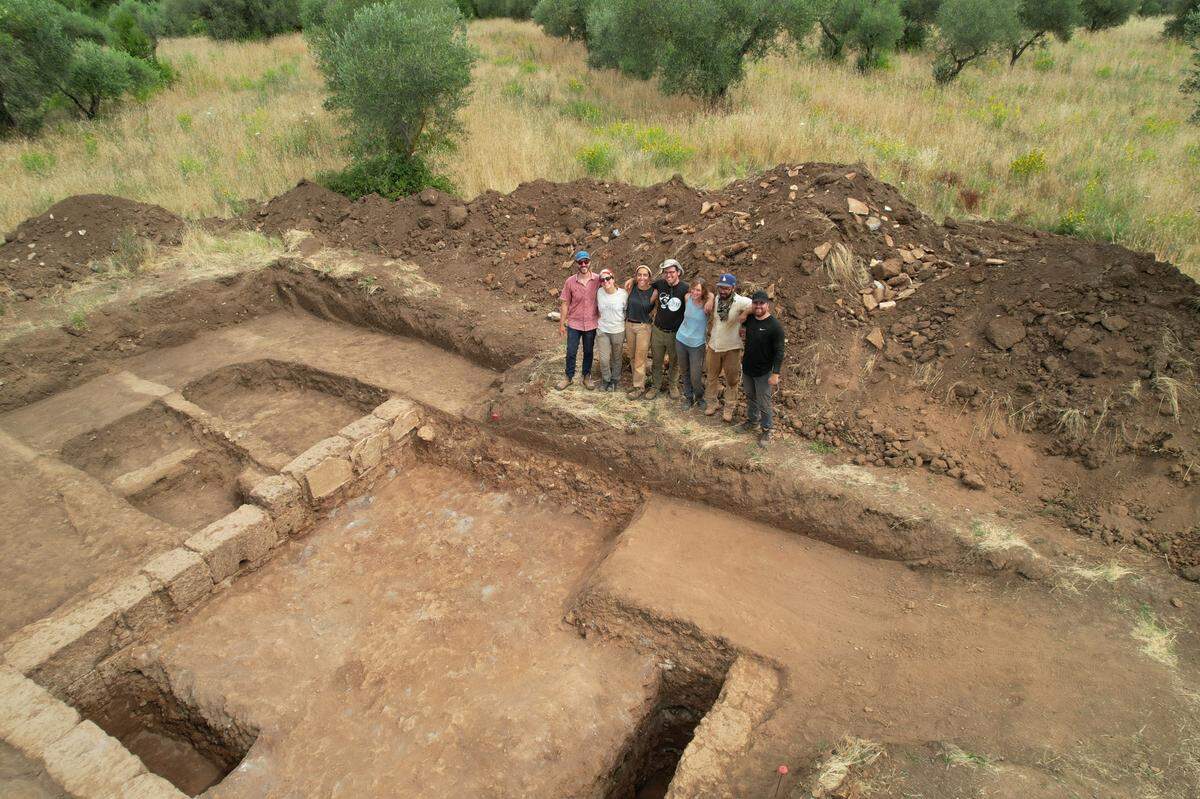
The excavations at Falerii Novi are an ongoing five-year project involving the University of Toronto, Harvard University, and the British School at Rome overseen by the Soprintendenza di archeologia per la provincial di Viterbo e l’Etruria Meridionale.
Tupperware is a brand of “lightweight, non-breakable plastic containers” that were introduced in the mid-1940s. The product is largely sold through direct marketing, which became known as “Tupperware parties.” Some people use the term “Tupperware” to generically refer to plastic storage containers.
This story was originally published November 3, 2022 at 7:28 AM with the headline "‘Tupperware’ unearthed in Italy is 1,600 years old and reveals life in ancient Rome."