Abandoned mine — turned Roman rubbish dump — reveals life in France 1,800 years ago
Snotty tissues, broken objects, discarded grocery receipts, a banana peel — all tossed in a garbage can and taken out on trash day. We typically don’t think twice about the items we throw away or what our trash reveals about us.
For archaeologists in France, however, a Roman trash heap — and the ruins surrounding it — offer an in-depth look at local life over the centuries.
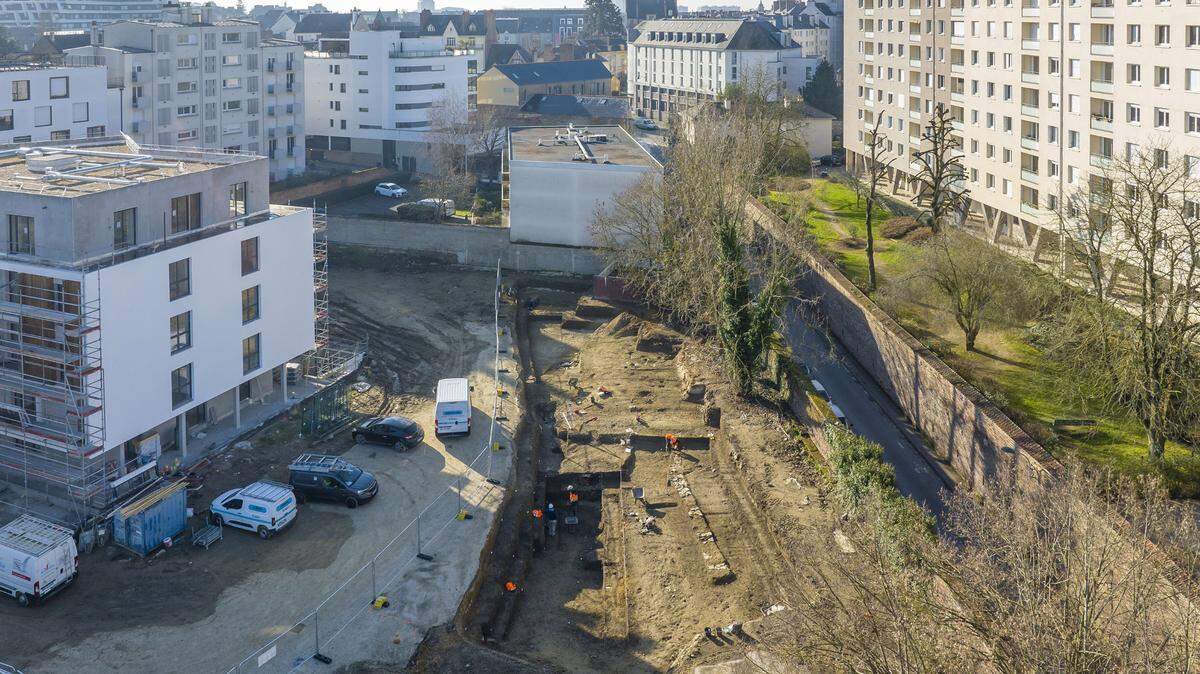
Archaeologists were brought in to excavate an empty lot in Rennes, located about 210 miles southwest of Paris, ahead of planned construction, the French National Institute for Preventive Archaeological Research said in a March 3 news release.
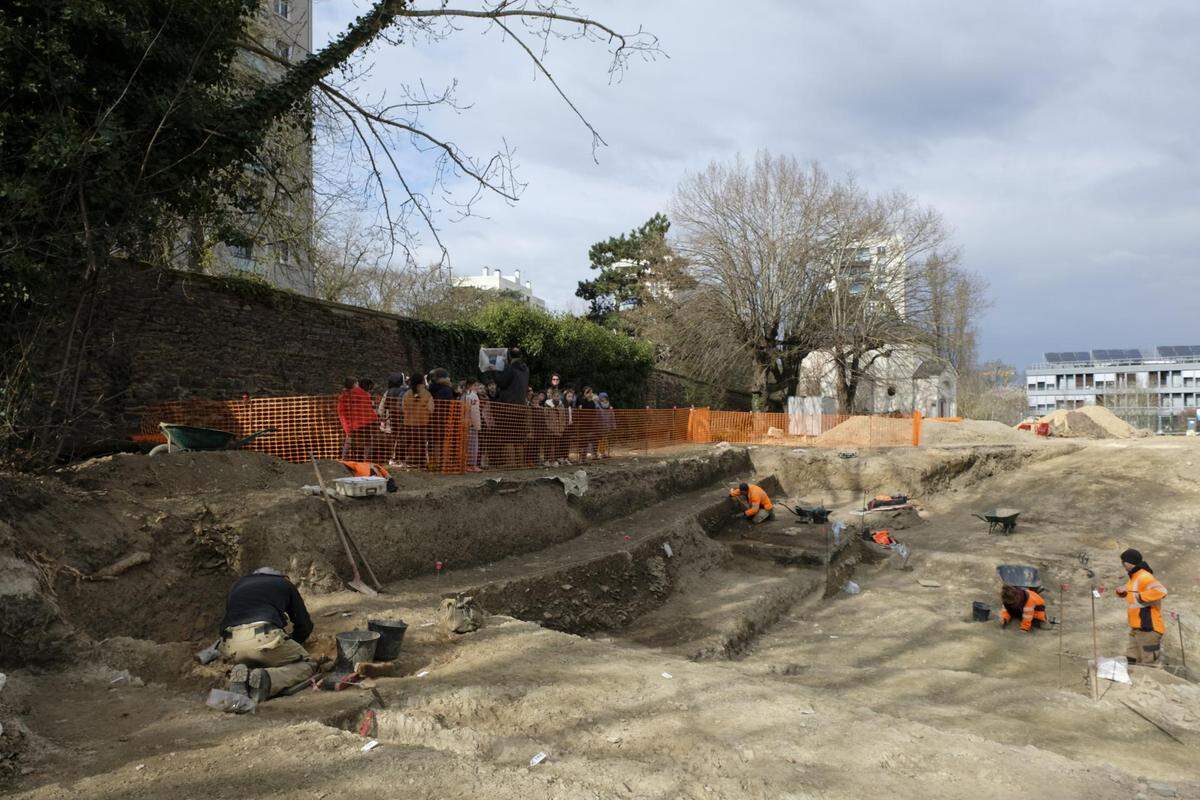
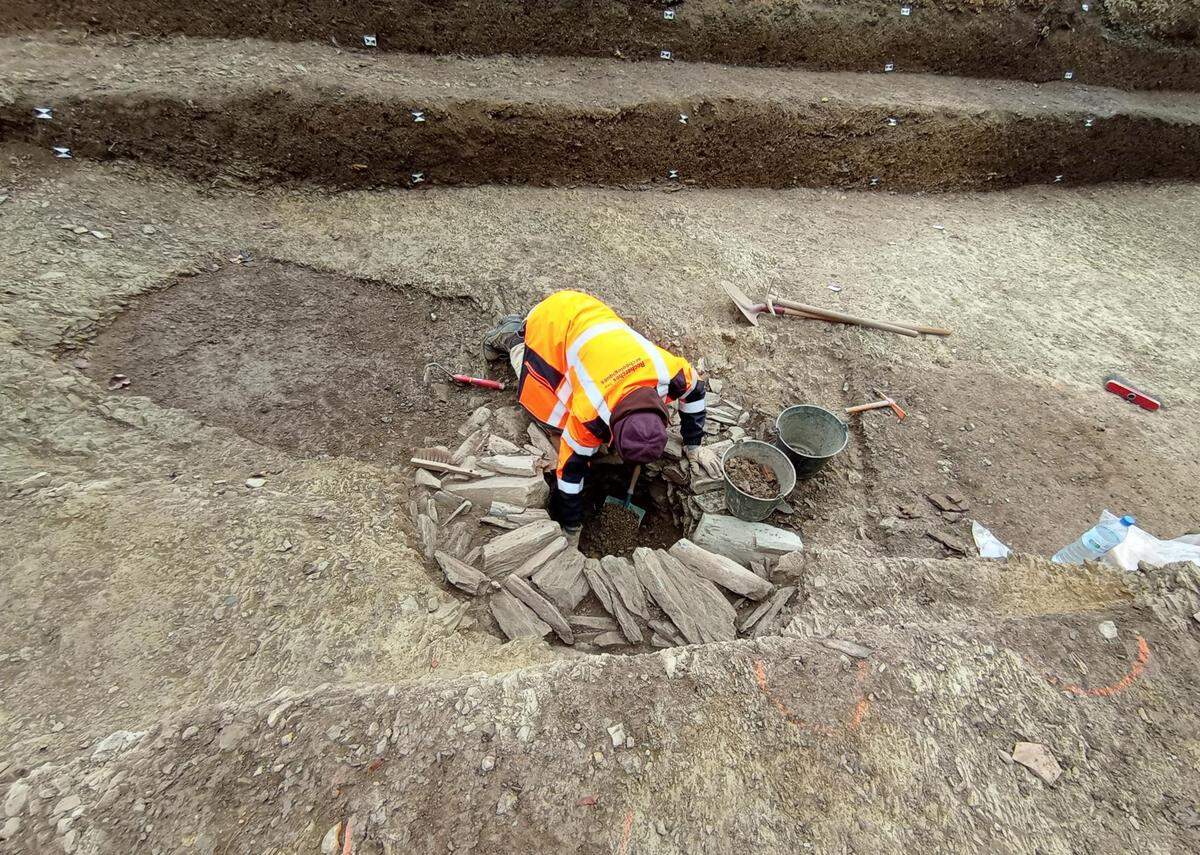
Layer after layer of the city’s history reemerged from the rocky soil as archaeologists dug deeper. At the bottom, researchers unearthed the ruins of a 2,000-year-old stone quarry.
The shale mine was located at the edge of the northern limit of the ancient city, experts said. The mine, which likely extends under nearby buildings, was used from the first century A.D. into the second century A.D. when Rennes was known as Condate.
The ancient city of Condate was created by the Roman empire around the end of the first century B.C., French officials reported in an archaeological atlas for the area. The city’s name had Gallic origins, a reference to the people who sporadically inhabited the area before the Romans.
The stone quarry was abandoned just over 1,800 years ago and then used as a rubbish heap, the release said. Discarded items of everyday Roman life filled the mine.
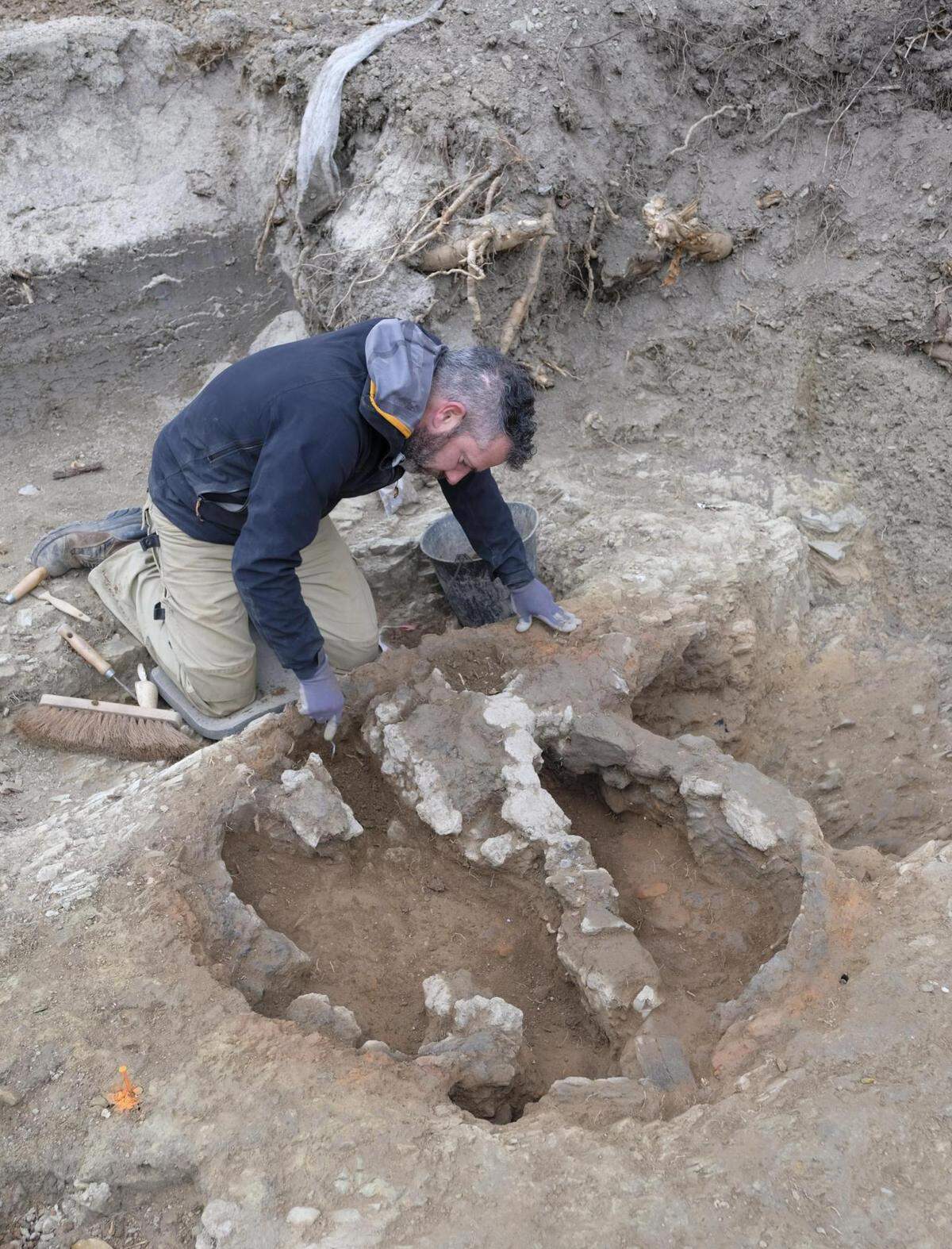
Archaeologists found about 44 pounds of broken ceramics, the pieces rejected from a pottery workshop. Photos show the numerous fragments haphazardly buried. A 2,000-year-old pottery kiln was also found during excavations.
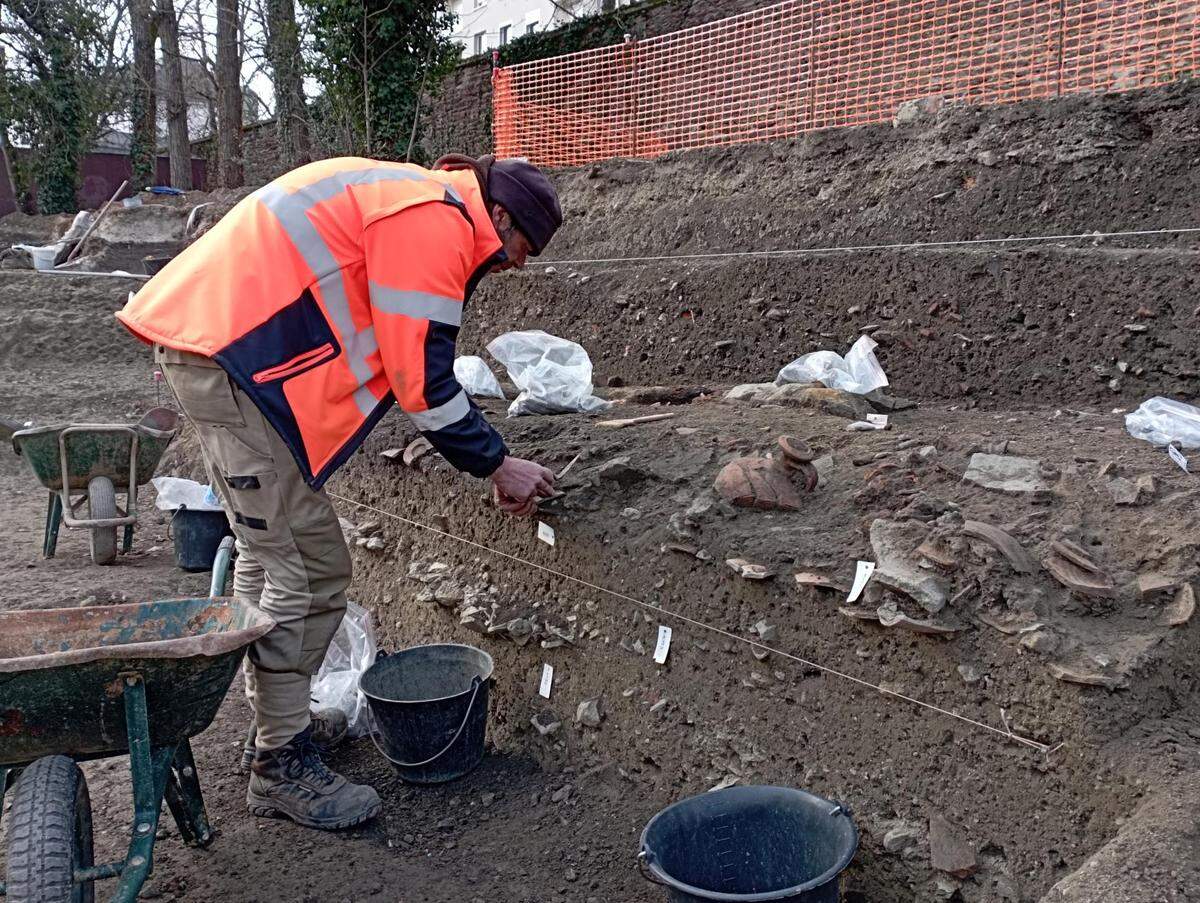
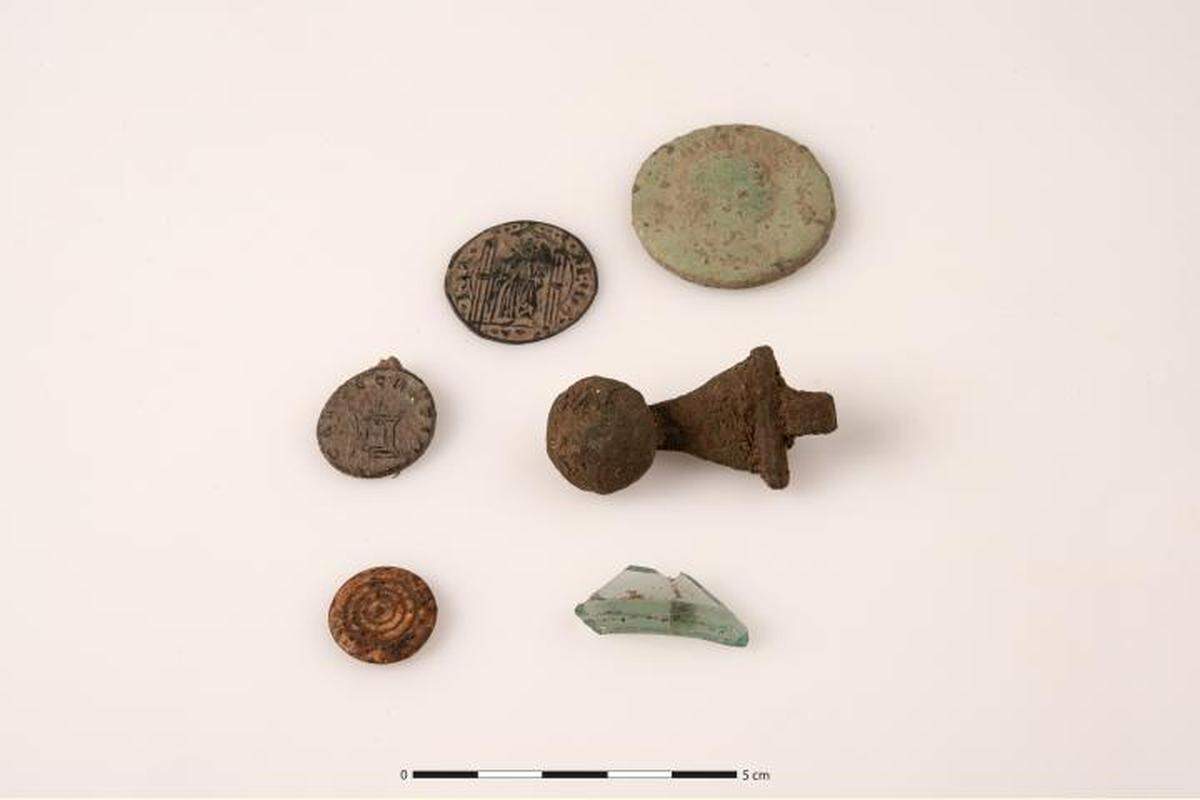
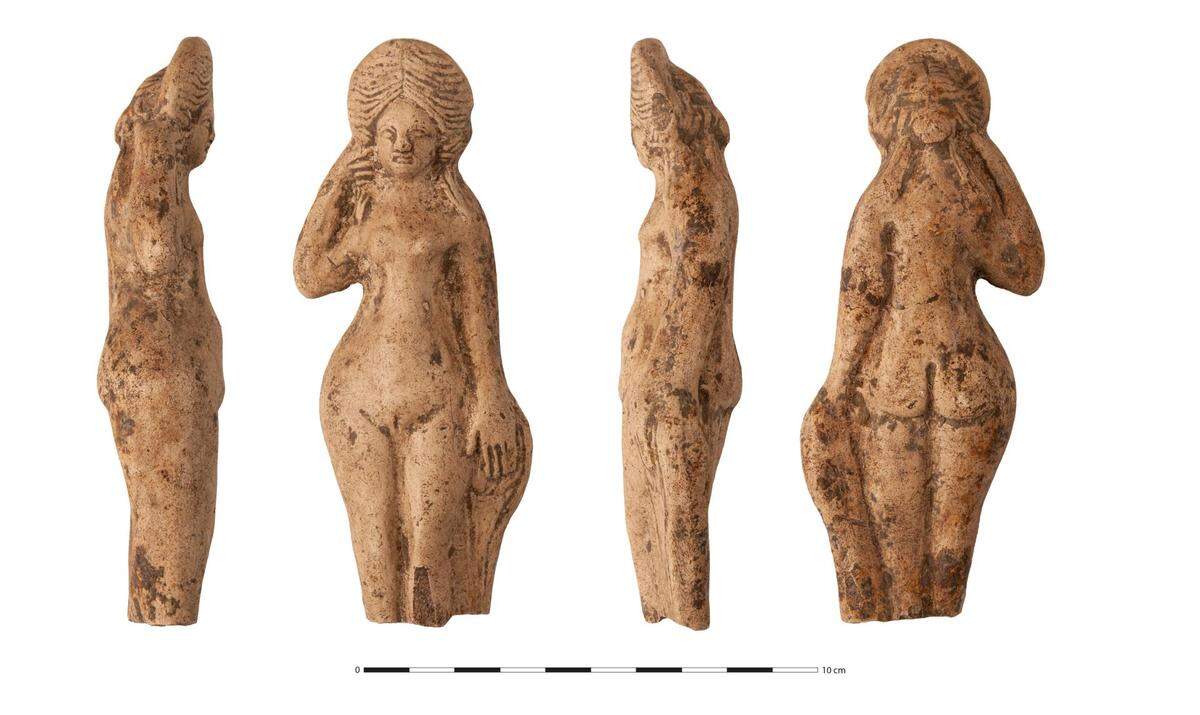
The Roman garbage pile had several terracotta sculptures of various deities, coins, glass beads and brooches or other adornment items, the release said. Photos show these small, discarded tokens.
By the medieval period, the abandoned mine-turned-rubbish heap was completely filled and people had begun living in the area. Archaeologists found evidence of wooden buildings dating to the 14th and 15th centuries, the release said. Ruined ovens and clogged wells were unearthed.
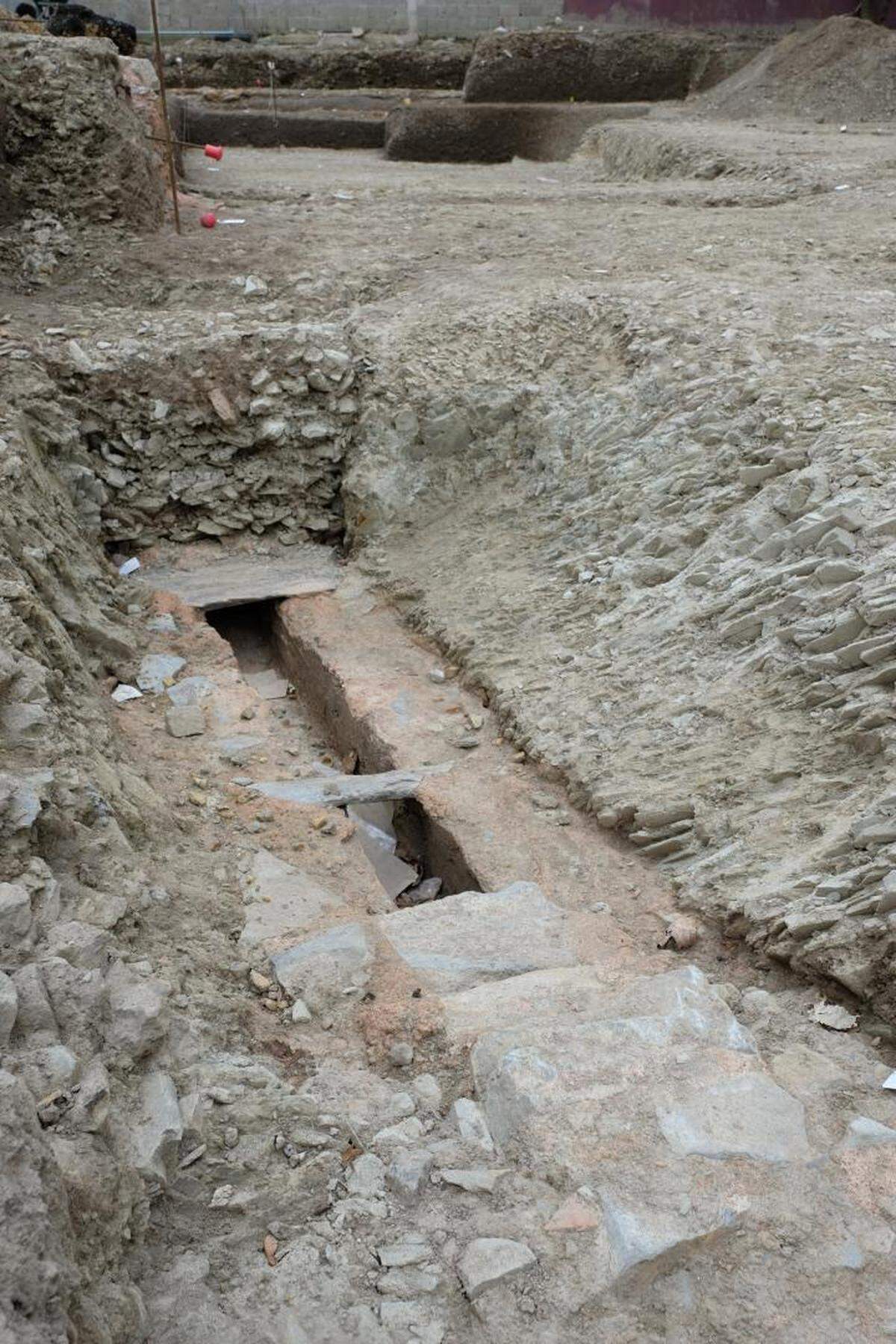
By the 17th century, these domestic buildings were gone. Instead, archaeologists found fragments of pipes running through the area. These pipes were part of the Rennes water system.
During this period, the site also served as a garden space for a young girl’s convent house, the release said.
Eventually, the land was once again abandoned and left empty — until now. With its upcoming new construction, the site will enter a new era. In 2,000 more years, what new stories will this former rubbish heap tell?
Google Translate was used to translate the news release and archaeological atlas from the French National Institute for Preventive Archaeological Research.
This story was originally published March 28, 2023 at 12:42 PM with the headline "Abandoned mine — turned Roman rubbish dump — reveals life in France 1,800 years ago."