Shed skin hanging on vines was left by new species of ‘large’ rock-dwelling creature
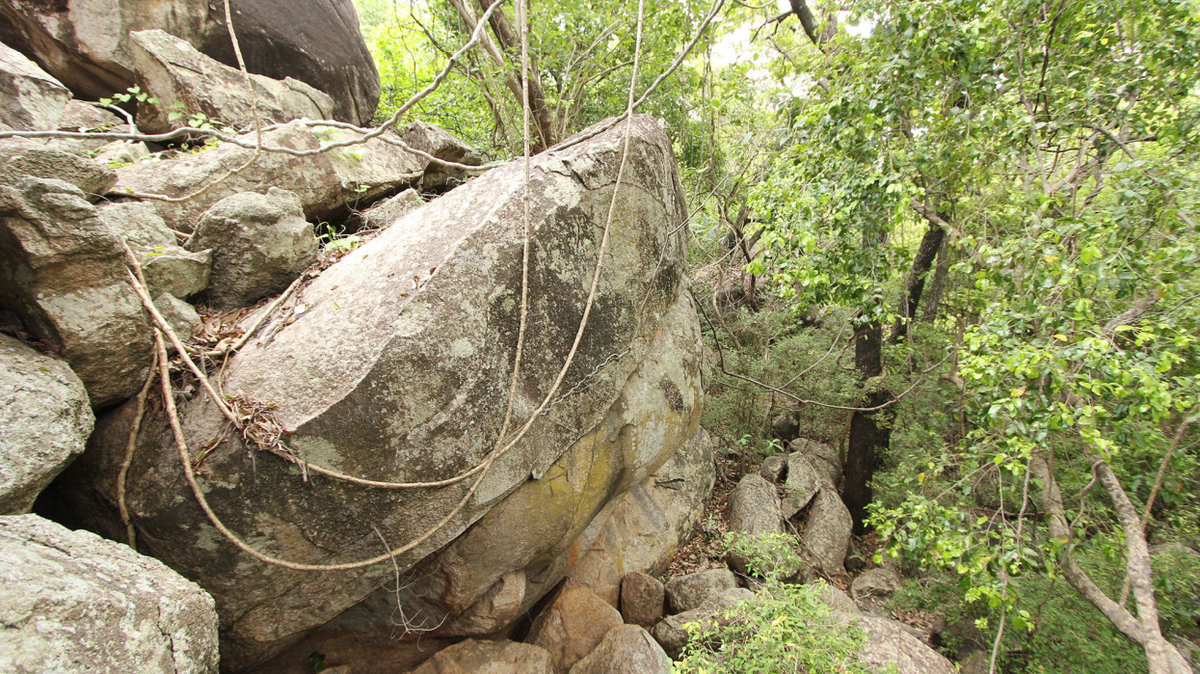
As dusk set across Australia, a “large” silver-eyed creature emerged from its rocky hiding place to feed. Traces of the animal’s presence — its shed skin — hung off vines nearby.
Scientists found the dead skin and its former keeper. The reptile turned out to be a new species.
Researchers ventured into rocky areas along the Queensland coast and nearby islands in search of local wildlife, according to a study published Sept. 11 in the journal Zootaxa.
“Early on” in the surveys, co-author Conrad Hoskin began noticing a silver-eyed lizard, he told McClatchy News.
Researchers found 23 of these silver-eyed lizards lurking among the rocks, the study said. Taking a closer look, they realized they’d discovered a new species: Amalosia saxicola, or the rock zigzag gecko.
The rock zigzag gecko is considered “large,” reaching about 4.6 inches in size, researchers said. It has a “slender” body with several “spurs,” or “large, pointed” spikes, near the base of its tail, and silver eyes.
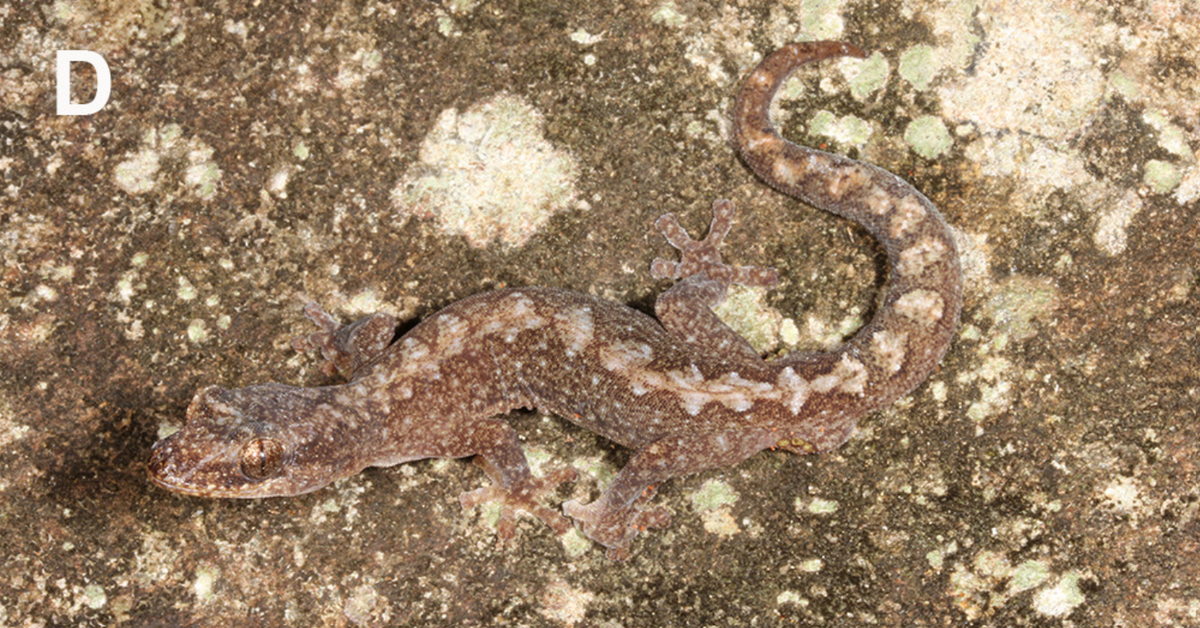
Photos show the rock zigzag gecko. It has a tannish-brown coloring with a zigzag pattern down its back. The pattern is made of two spiky lines down its sides that roughly align at each point. Whitish spots also dot the zigzag, photos show.
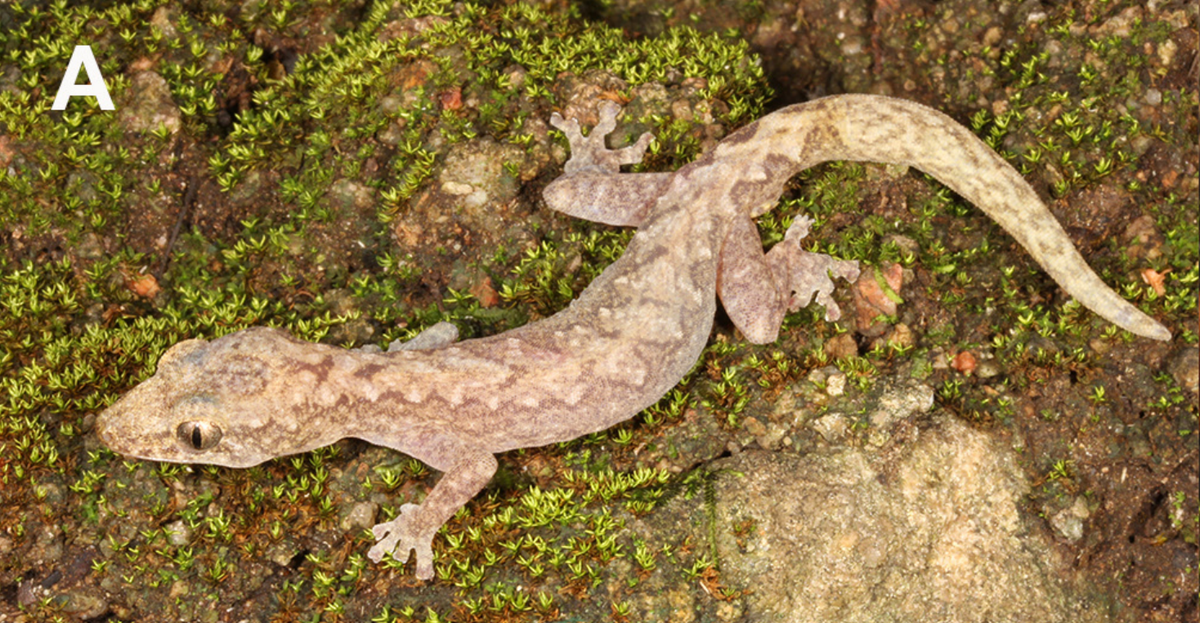
The new species’ coloring helps it blend into its stony habitat, photos show. A rock zigzag gecko with darker brown coloring looks particularly well-camouflaged.
Hoskin described the rock zigzag gecko as “big and beautifully patterned.”
Researchers found the new species in “rocky peaks and slopes, boulder-fields, and rocky gullies,” which were often in rainforest environments. During the day, the lizards hide in the rocks. They emerge at dusk and spend the night foraging for insects around the stones and plants, the study said.
The gecko’s shed skin was “regularly found hanging from rock surfaces, vines or spider webs in rock overhangs,” researchers said.
The new species was named “saxicola” after its rock-dwelling lifestyle, researchers said.
Researchers found the rock zigzag gecko “along the mid-east Queensland coast” and “on many rocky offshore islands.” This range is centered around Bowen, a town about 1,000 miles northwest of Sydney.
The new species was identified based on its coloring, scale patterns, spurs and body proportions, the study said. DNA analysis found the new species had a “high genetic divergence” from other zigzag geckos. Hoskin said the species had “at least 25%” genetic divergence.
The research team included Conrad Hoskin and Patrick Couper. Researchers also discovered four more new species of zigzag gecko: a “large” woodland gecko, a mountain-dwelling gecko, a sap-licking gecko and a small “pale” gecko.
Zigzag geckos are an understudied group of lizards found “across eastern and northern Australia,” researchers said. The geckos are named after the distinctive zigzag pattern that runs down their backs.
This story was originally published September 13, 2023 at 2:13 PM with the headline "Shed skin hanging on vines was left by new species of ‘large’ rock-dwelling creature."