2,000-year-old grave site — teeming with treasures — discovered in Germany. See them
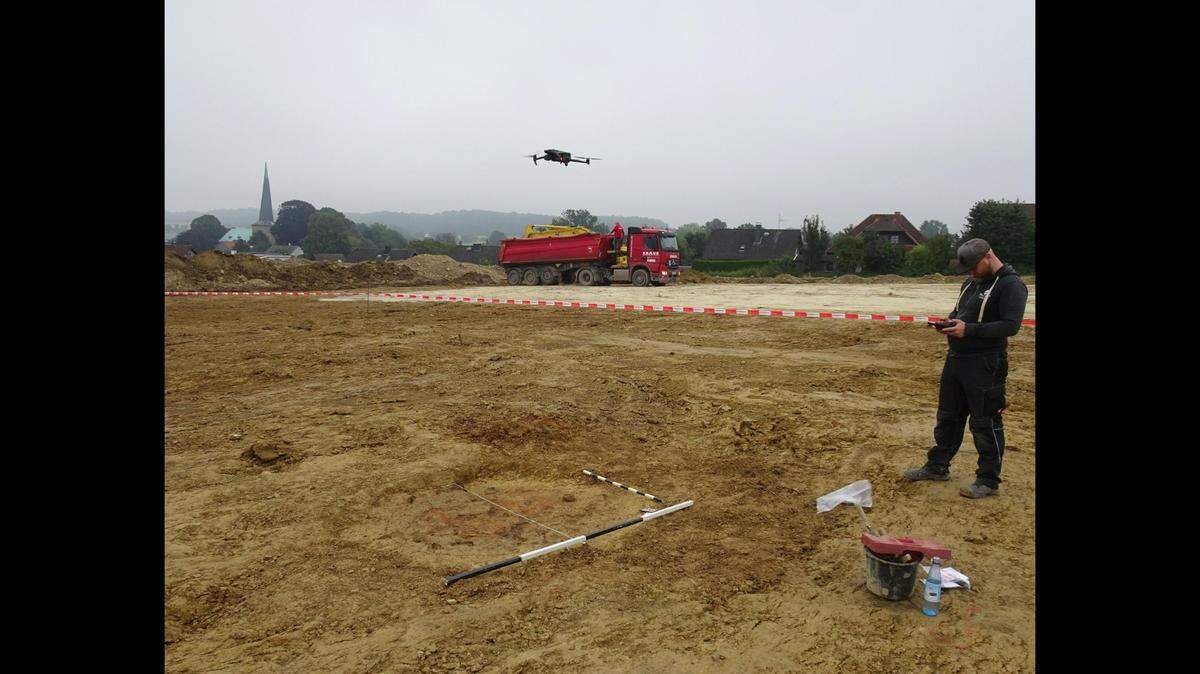
German experts have long known that the region around Fröndenberg is teeming with remains from ancient settlements, and in recent years have made several discoveries granting them insight into the region’s history.
But when archaeologists recently stumbled upon a few burned corpses, they did not expect to also unearth a sprawling grave site comprised of various burial pits, according to a Sept. 14 news release from the Westphalia-Lippe Regional Association.
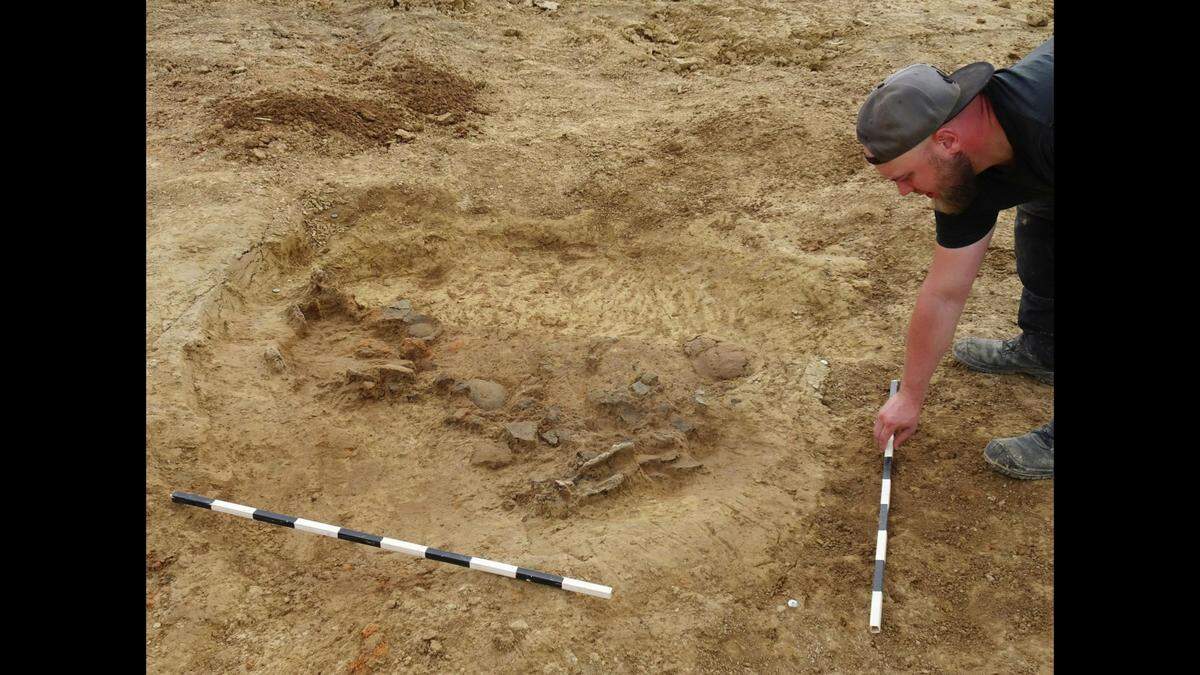
Archaeologists determined the graves and their contents date back about 2,000 years to the Iron Age. Several smaller pits with fire and ceramic remains were uncovered, some with preserved vessels that were used as urns.
In addition to the smaller collections of remains, archaeologists said they also identified two larger, more significant pits holding more fire debris and larger ceramic pieces.
The northernmost oval-shaped pit measured about 3.3 feet in diameter, researchers said. The edge of the pit held pieces of exceptionally large ceramics that have been crushed since they were placed there. Some of the ceramics had decorations such as finger impressions.
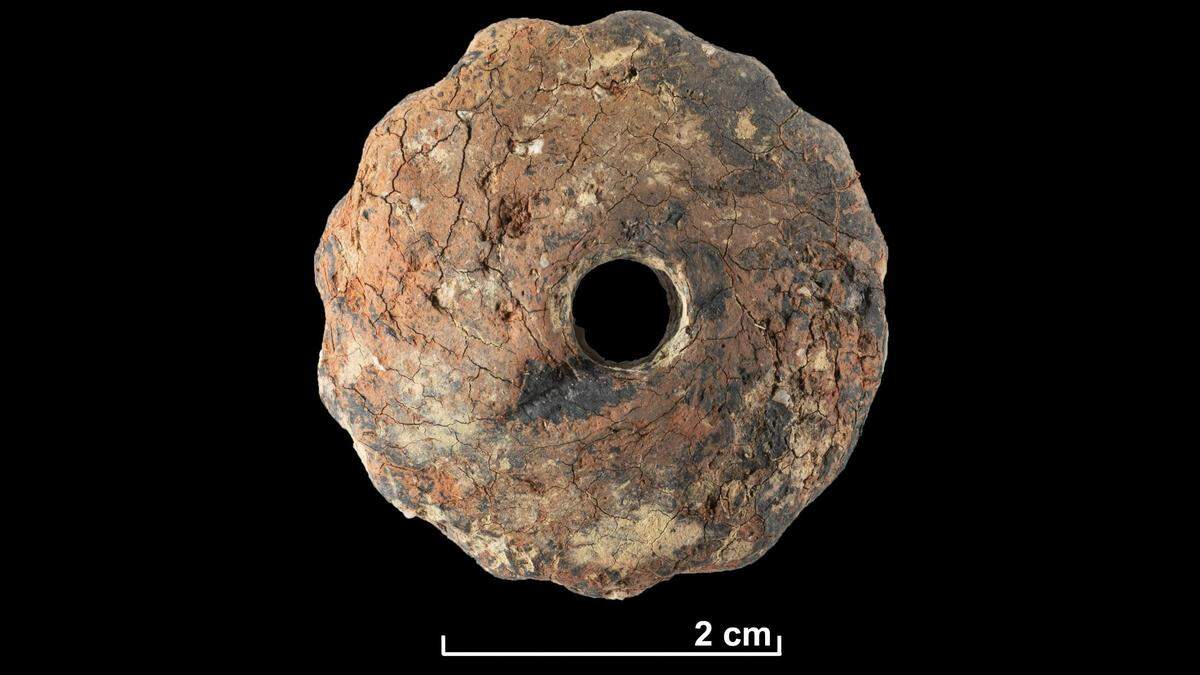
There were also burnt bones inside the pit, indicating it was used as a grave, experts said. The pit contained a spindle piece and several weights that would have been used with a loom, so it may have been a woman’s burial.
Archaeologists said they also uncovered a winged flint arrowhead in a neighboring pit. The arrowhead predates the graves by about 2,000 years, dating to the end of the Neolithic Age.
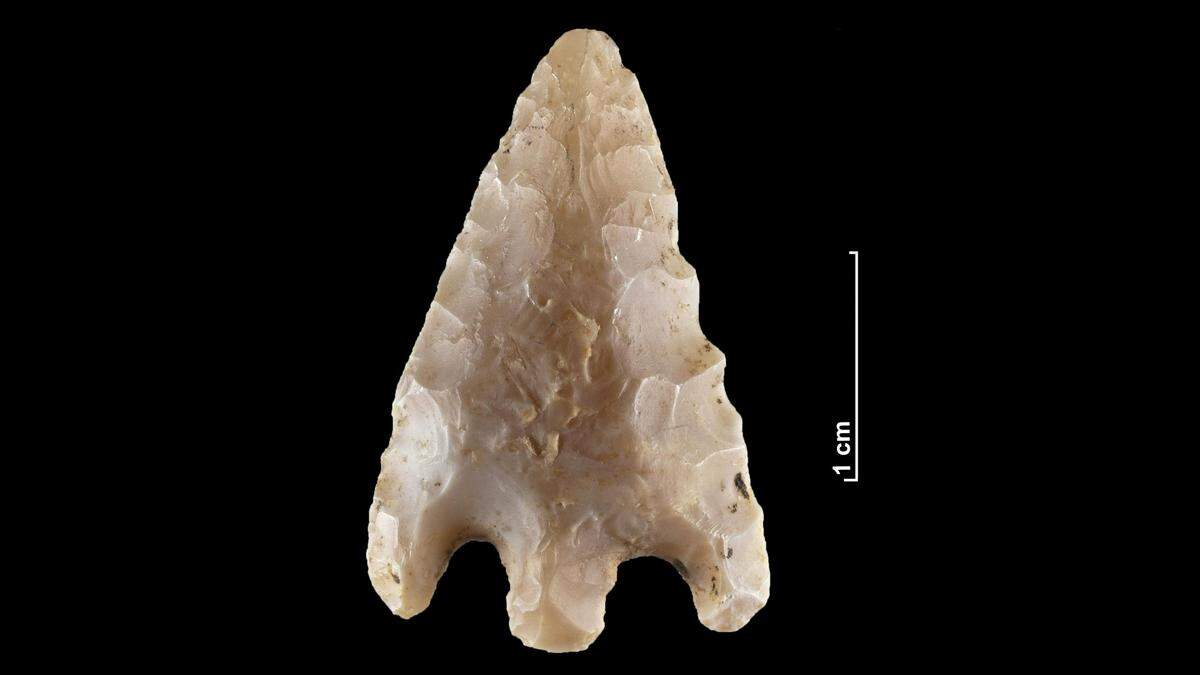
Given the age difference, experts suggest the arrowhead was used as a talisman by Iron Age people who may have kept it out of curiosity.
Fröndenberg is about 300 miles west of Berlin.
Google Translate was used to translate a news release from the Westphalia-Lippe Regional Association.
This story was originally published September 18, 2023 at 2:22 PM with the headline "2,000-year-old grave site — teeming with treasures — discovered in Germany. See them."