Eyeless cave creature — with ‘pear-shaped’ genitalia — discovered as new species
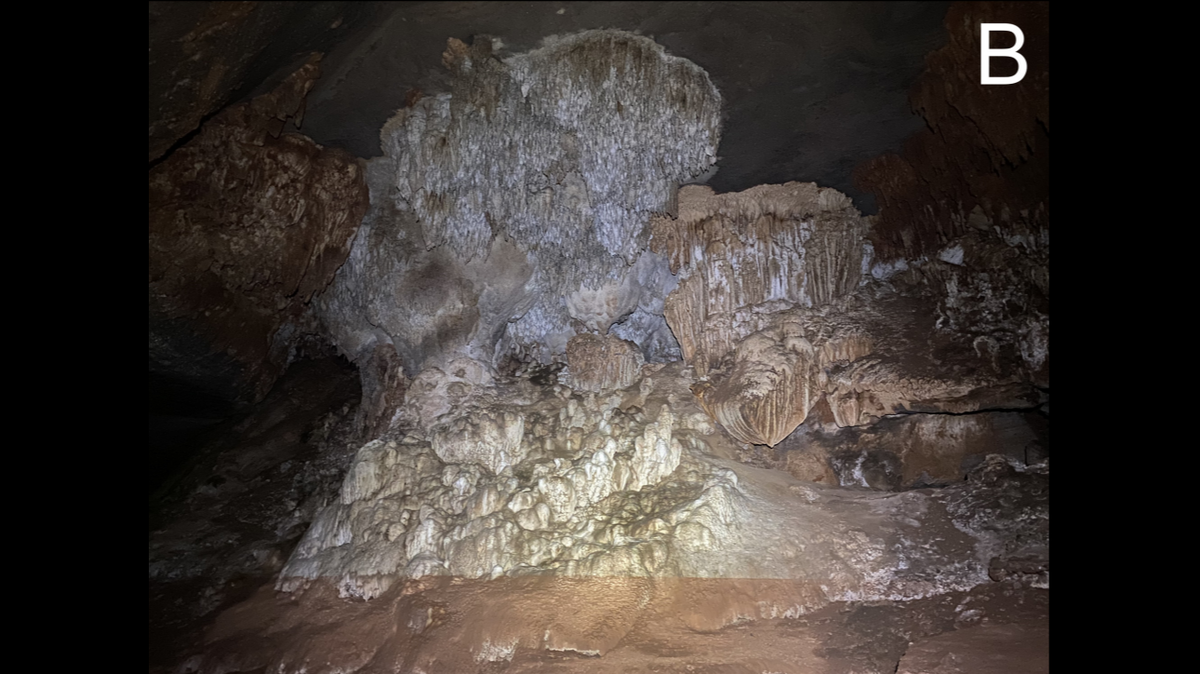
In a dark underground cave in Brazil, an eyeless creature felt its way along the rocky walls. The “pale” animal had a “solitary” existence — until it caught the attention of spelunking scientists.
Researchers ventured into several caves in the state of Bahia to survey local wildlife, according to a study published Dec. 12 in the journal Zootaxa. The searches spanned 21 years and encountered “a surprise.”
Small, “pale” spiders were lurking on the cave walls and in crevices, the study said. Researchers found more than 100 of these spiders and, after taking a closer look at the animals, realized they’d discovered a new species: Pinelema elinae, or Elina’s long-legged cave spider.
Elina’s long-legged cave spiders are small, reaching less than 0.1 inches in length, researchers said. They have no eyes, very little pigment and eight “very long and very thin legs.”
Several photos show Elina’s long-legged cave spiders in their natural habitat. One photo shows a spider walking along a crevice. Several others show the spiders perched on webs.
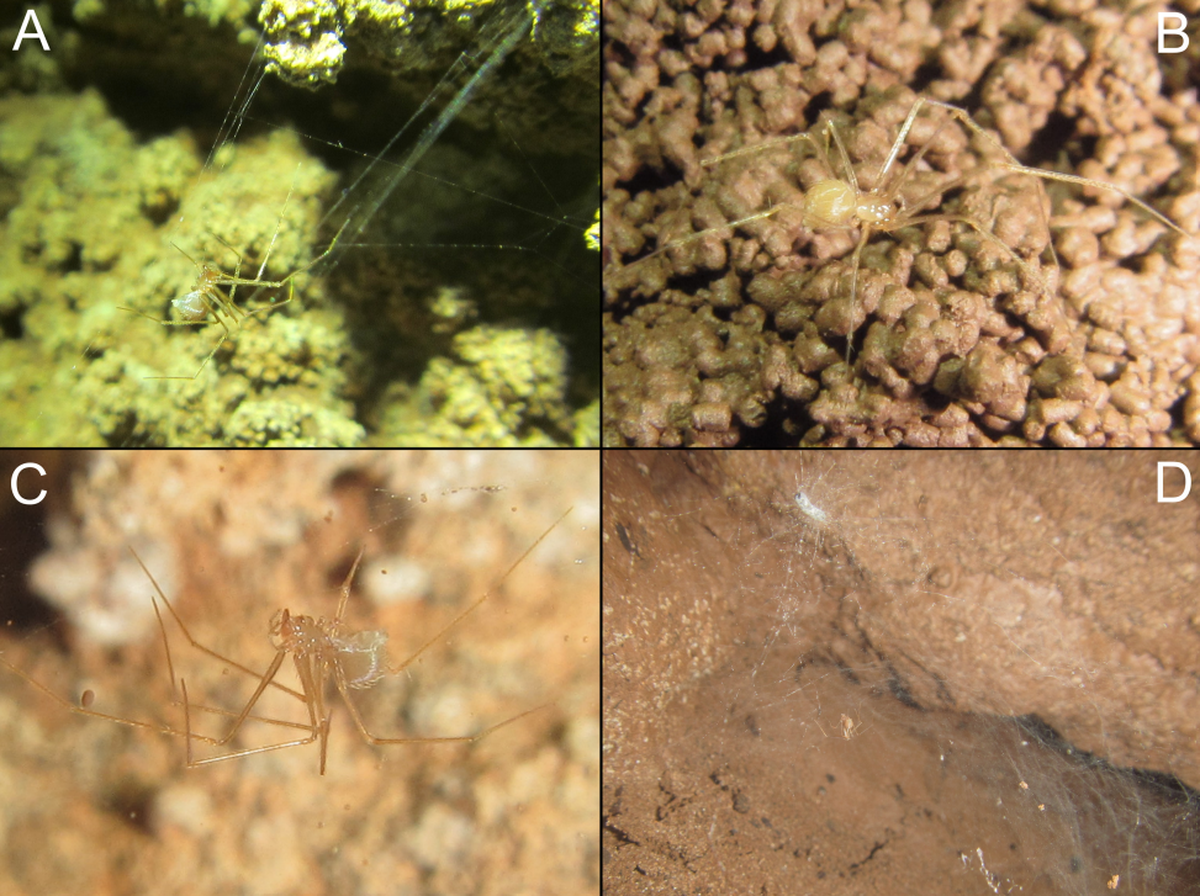
Male spiders of the new species are more rare than females and have “pear-shaped” genitalia, known as pedipalps, the study said. Pedipalps are the spider’s shorter front appendages that function both as sensory organs and reproductive organs.
Researchers said that Elina’s long-legged cave spiders “were always solitary on their webs.” Occasionally, they found several immature spiders relatively closer together, indicating that young spiders “remained near the mother.”
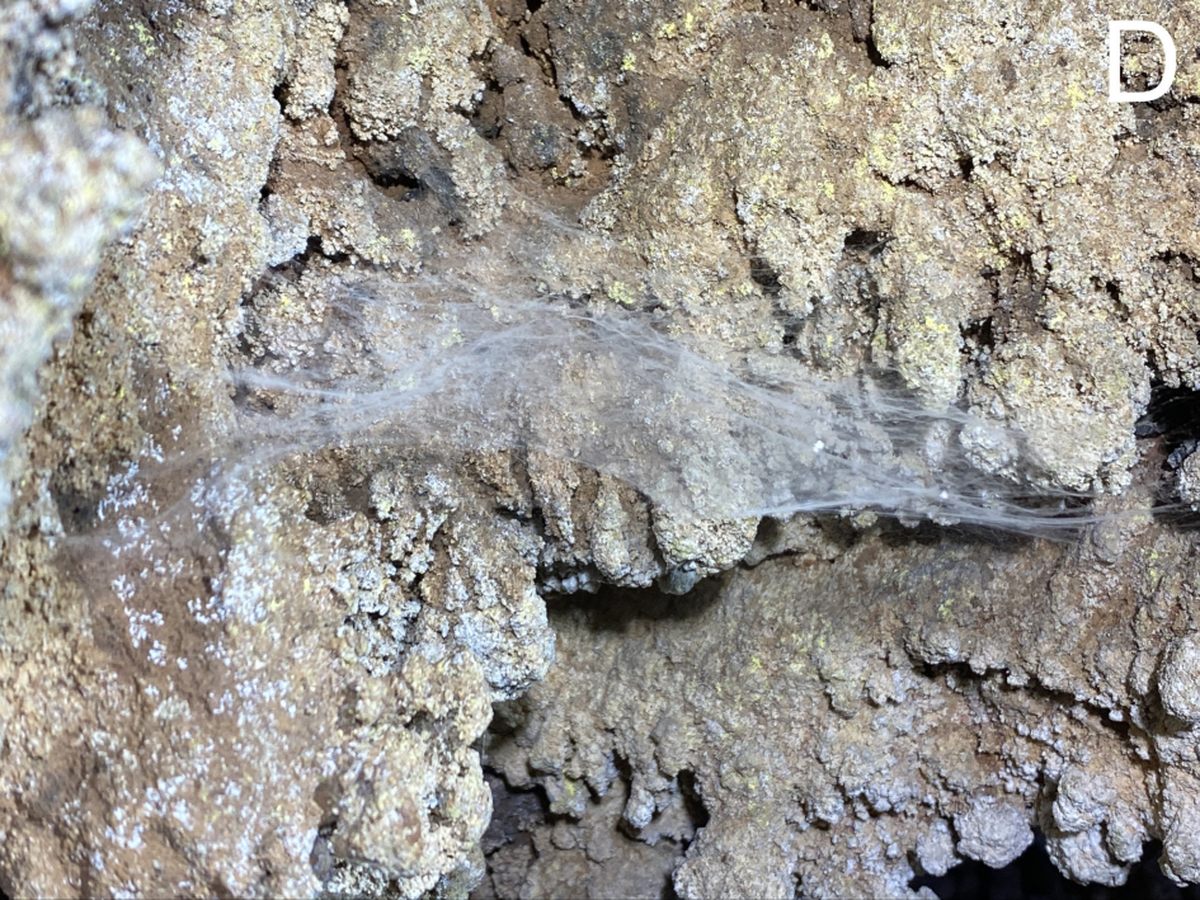
A photo shows the web of the new species. Researchers described these webs as “irregular but delicate.”
Researchers were surprised to discover a new species of Pinelema spider — the first in Brazil — because these types of spiders are mainly found in Asia, the study said. Although the new species could have originated elsewhere, researchers said this was unlikely because the spiders were found in “natural and relatively unaltered environments.”
So far, Elina’s long-legged cave spiders have only been found in caves of Bahia, a northeastern state along the coast of the Atlantic Ocean, the study said. This state is about 800 miles north of Rio de Janeiro.
Researchers said they named the new species after Maria Elina Bichuette, a “specialist in the taxonomy, behavior, ecology and evolution of subterranean fauna in Brazil.”
The new species was identified by its genitalia, habitat and other subtle physical features, the study said. Researchers did not analyze its DNA due to a lack of available data but suggested this be done in the future.
The research team included Antonio Domingos Brescovit, Jonas Eduardo Gallão and Igor Cizauskas.
This story was originally published December 15, 2023 at 1:21 PM with the headline "Eyeless cave creature — with ‘pear-shaped’ genitalia — discovered as new species."