What was life like in ancient Rome? These finds from 2023 reveal a luxurious lifestyle
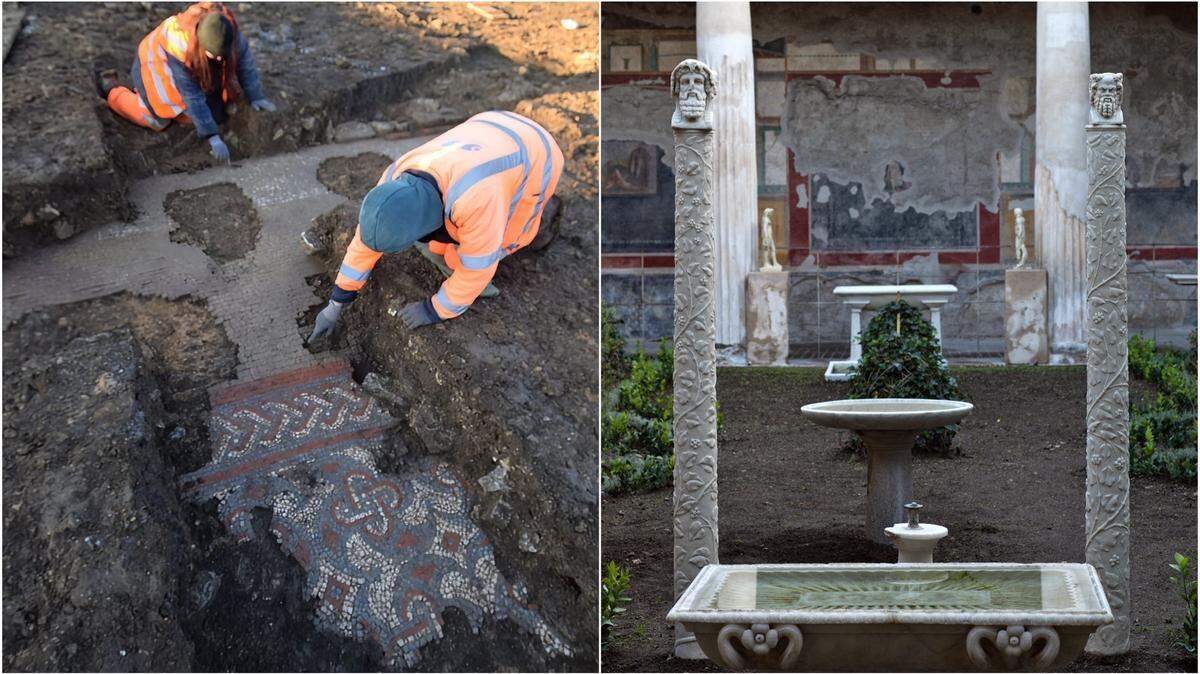
The Roman Empire once stretched across swathes of Europe, the Middle East and North Africa to encircle the Mediterranean Sea. While the empire is long gone, remnants of its inhabitants’ lives remain scattered throughout the region, waiting to be rediscovered.
From Spain to Sweden, archaeological findings in 2023 revealed the luxurious lifestyle of ancient Romans.
Archaeologists in the iconic volcanically preserved city of Pompeii, Italy, finished a 20-year-long restoration project and reopened an elite Roman home to the public. Once again, the House of Vettii has a garden with gushing fountains, delicate sculptures and walls covered in vibrant paintings.
.jpg "atrio vettii ©Silvia Vacca (24).jpg")
Along another street in Pompeii, excavations uncovered the ancient equivalent of a “dry cleaners” shop, known as a fullonica, where people could pay to have their laundry done.
Nearby, archaeologists in Naples found a 2,000-year-old hall where a Roman emperor, knights and merchants once partied. In Rome, excavations near the Colosseum found an opulent 2,000-year-old home that likely belonged to an elite aristocrat, possibly even a government official.
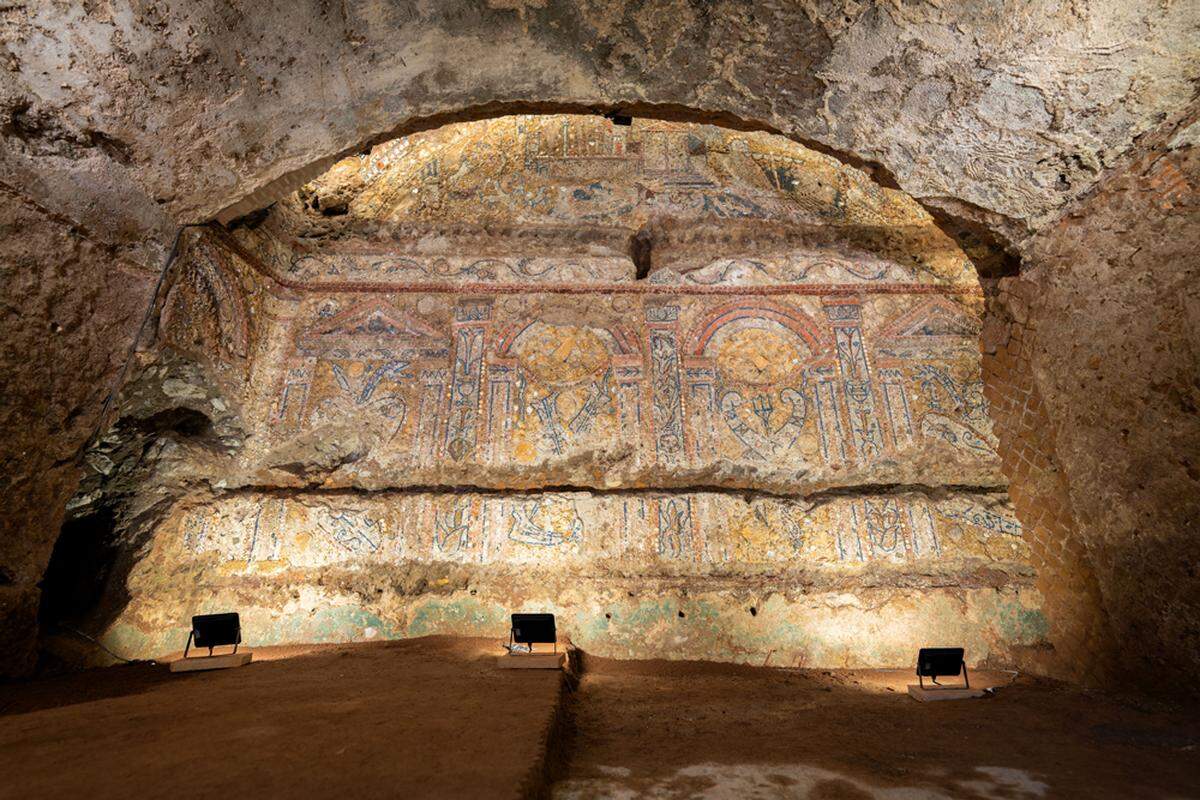
Beyond the center of the empire, archaeologists in Toledo, Spain, reopened a two-floored Roman complex with several 1,800-year-old pools. The pools were found in the basement of a home.
Another ancient Roman resort with a waterfall-fed swimming pool was found in Yenne, France. A huge Roman bathhouse — that once had stained glass windows — was also unearthed in Xanten, Germany.
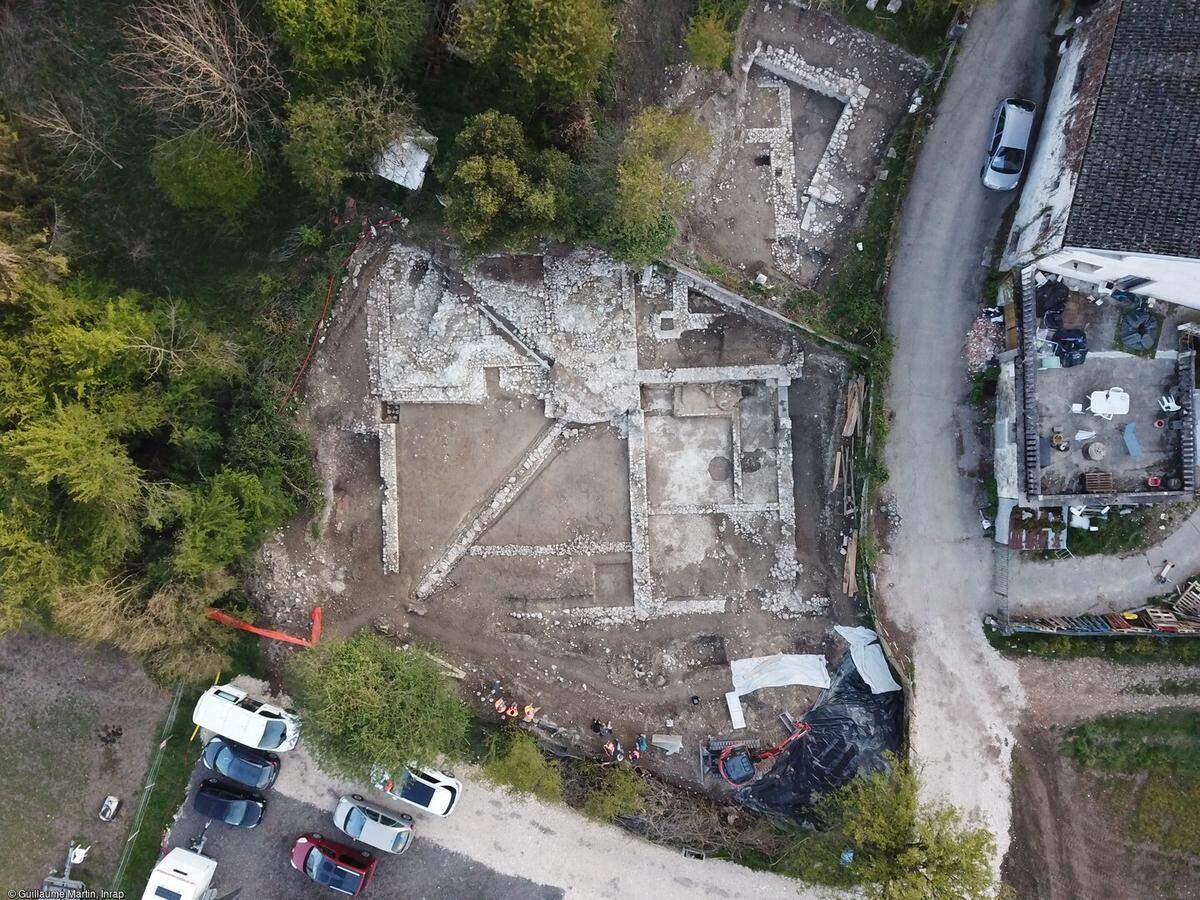
A rarer and more ambiguous type of ruined Roman structure reemerged from a forest in Zug, Switzerland. What initially looked like some out-of-place bricks turned out to be a sprawling 2,000-year-old complex, possibly a villa or temple. The ruins were the region’s first such discovery in almost 100 years.
Individual artifacts also revealed the luxury of the ancient empire. Excavations in Olney, England, found a “vibrant” Roman mosaic from at least 1,600 years ago.
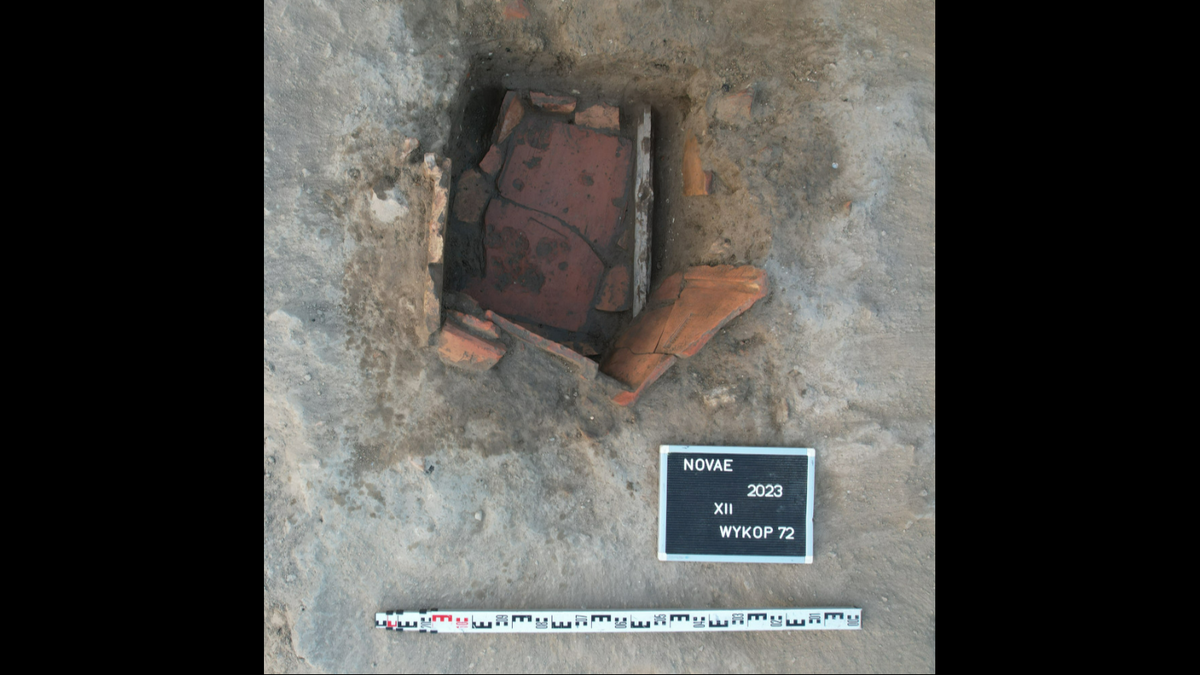
Archaeologists in Novae, Bulgaria, were excavating a Roman military camp when they found an ancient “fridge,” a food storage unit made of ceramic plates. The fridge still had animal bones, dish fragments and wine inside.
Not all Roman finds were easy to identify. Some discoveries left archaeologists puzzled.
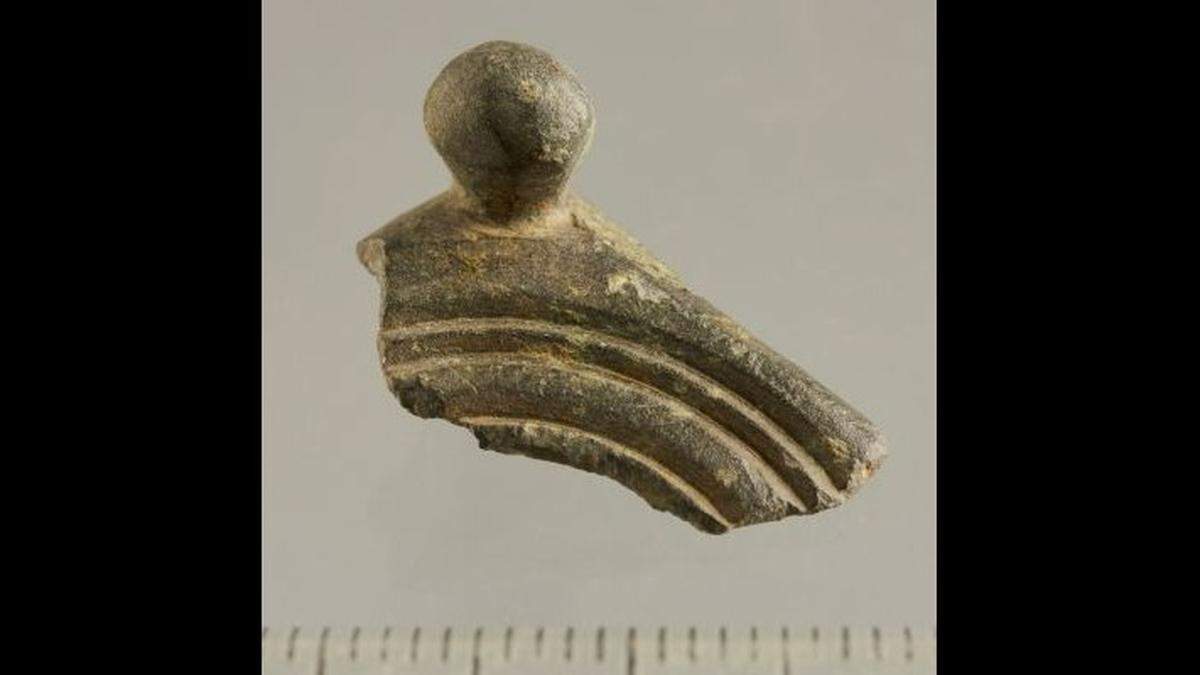
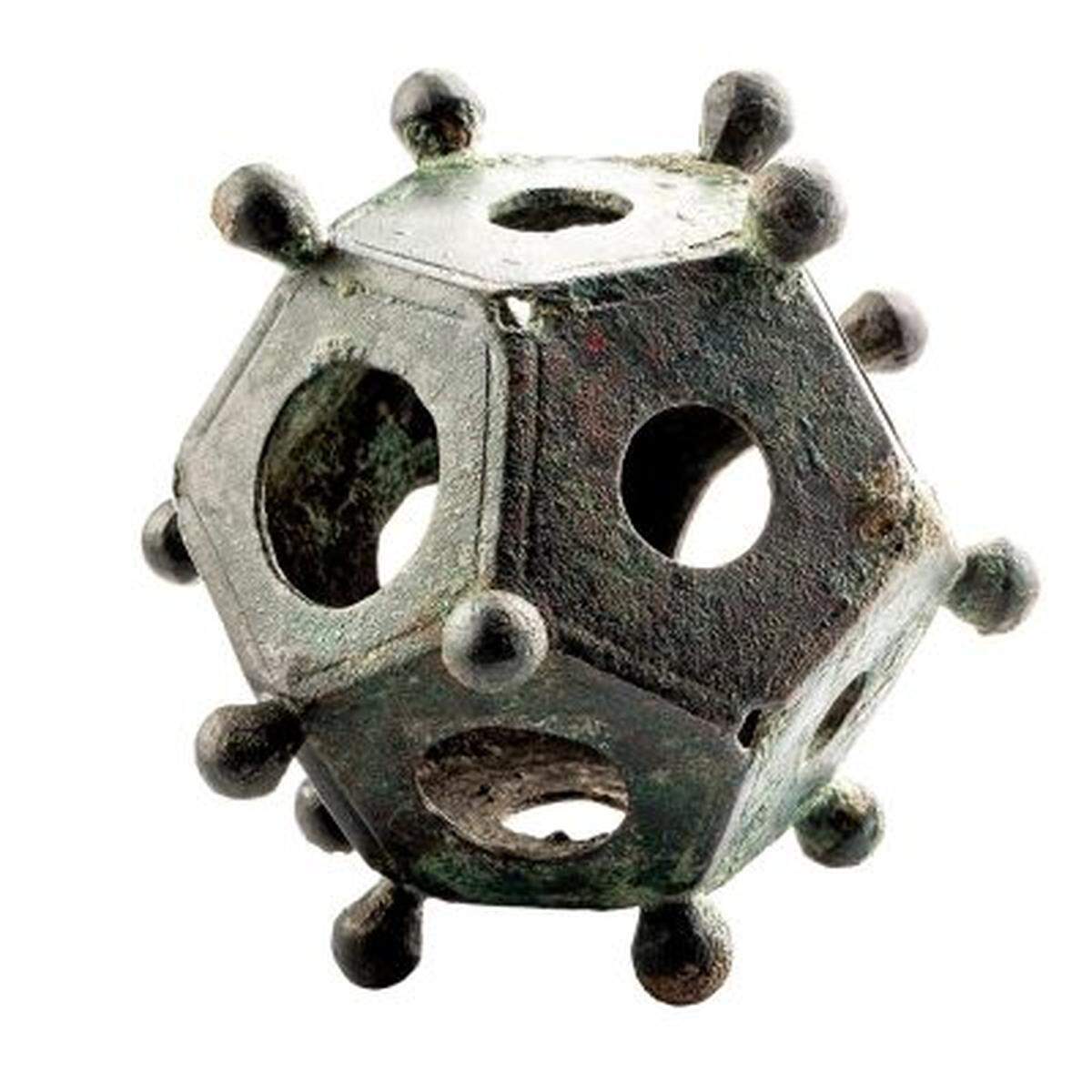
A metal detectorist in Kortessem, Belgium, stumbled upon an unusual metal fragment that experts identified as part of a Roman dodecahedron. These 12-sided bronze objects have holes on each side and small balls on each corner. Archaeologists still don’t know the purpose of these quirky artifacts but suspect they were used in sorcery, fortune-telling or other magic rituals.
Archaeologists were also stumped by a pair of Roman coins found on the isolated island of Gotska Sandön, Sweden. The coins were recognizable enough, but the location was unusual and — at least so far — unexplainable.
The ancient Roman Empire lasted from 27 B.C. to 476 A.D. All of these finds date to that period. Archaeologists will continue excavations at many of these sites and continue studying the rediscovered artifacts to develop a deeper understanding about life under the historic Roman Empire.
This story was originally published December 27, 2023 at 8:55 AM with the headline "What was life like in ancient Rome? These finds from 2023 reveal a luxurious lifestyle."