‘Metallic’ winged creature — with parasitic young — is a new species. See it
.png "Researchers identified a new species of wasps from South Korea, according to a new study.")
A winged creature flitted through the air, its shiny body glinting and reflecting as it maneuvered. That’s when it shot itself straight into a tent-like structure — a trap set by researchers in South Korea.
Scientists were searching for pteromalidae, a type of parasitic wasps, according to a study published Jan. 19 in the journal ZooKeys. Researchers examined a variety of insects, but they were unable to identify two of the wasps as existing species.
The creatures were actually a new species: Platecrizotes jedii. Researchers said they named the new species after Jedi, characters from the Star Wars movies.
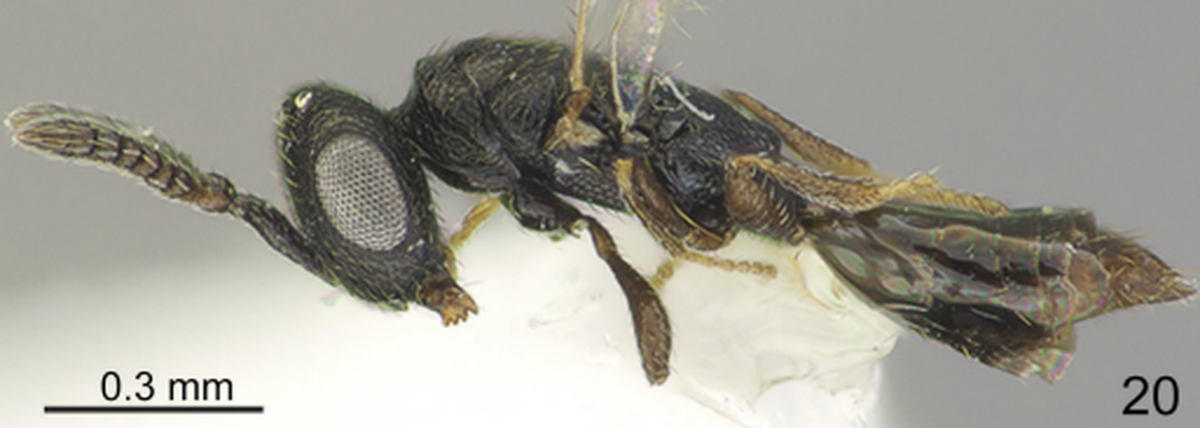
Pteromalid wasps are a diverse group of insects, making them “natural regulators” for other insects and “potentially useful as biological control agents,” experts said.
Most species of these wasps are parasitoids — meaning they lay their eggs inside other insects and their larvae feed on those hosts. Pteromalid wasps are known to lay their eggs in dipterans, which include various kinds of flies.
Researchers examined two female specimens of the new species.
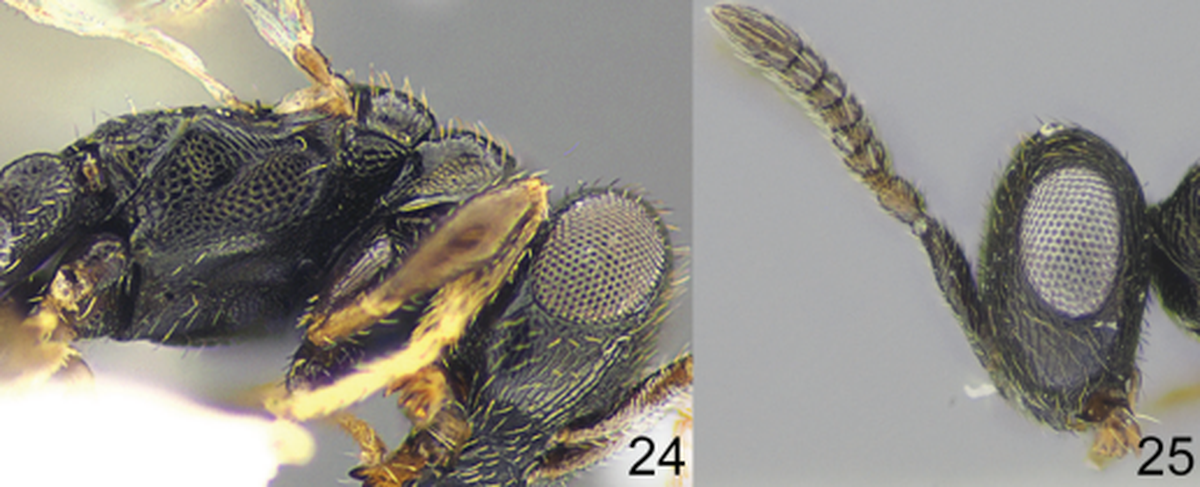
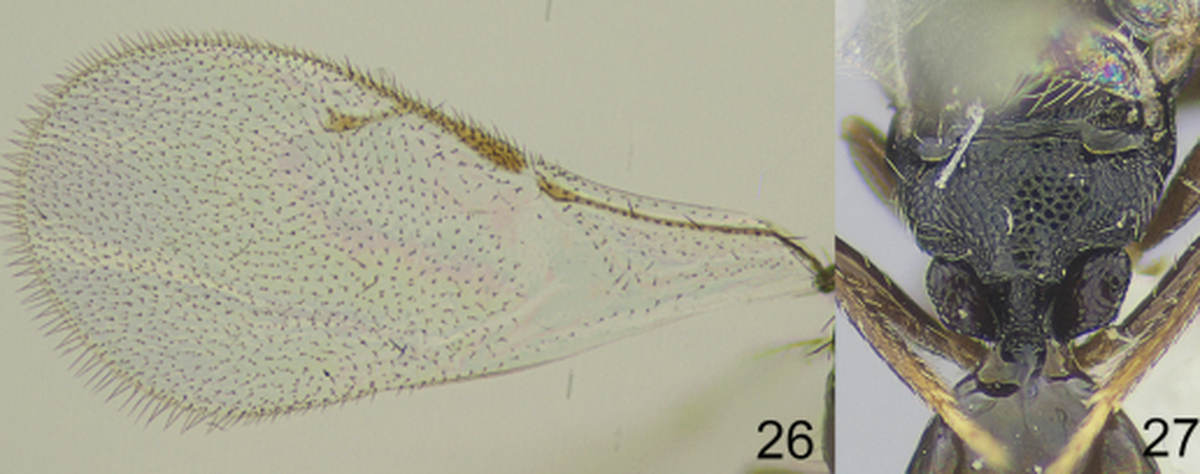
The creatures measured between about 0.04 inches and 0.05 long, according to the study. Their glassy and translucent wings were between about 0.03 inches and 0.04 inches long.
The wasps have a mostly black and brown head and upper body, scientists said. The “shiny” lower half of their body is more striking, with a “metallic coppery-violet lustre.”
Parasitoid wasps are not harmful to humans, and they do not have hives, according to the University of Minnesota. The creatures are typically tiny and can usually “only be identified by an expert.”
Experts from the university said these kinds of wasps are “probably our most beneficial group of predatory insects.”
This story was originally published January 23, 2024 at 2:36 PM with the headline "‘Metallic’ winged creature — with parasitic young — is a new species. See it."