
Turtles may have been taken by ancient humans while traveling — and eaten as snacks
Today, people often resort to canned food when better options are lacking. Thousands of years ago, early humans may have turned to turtles, a new discovery reveals.
During a recent excavation in Germany, archaeologists stumbled upon ancient turtle remains — shedding light on the diet of early Europeans.
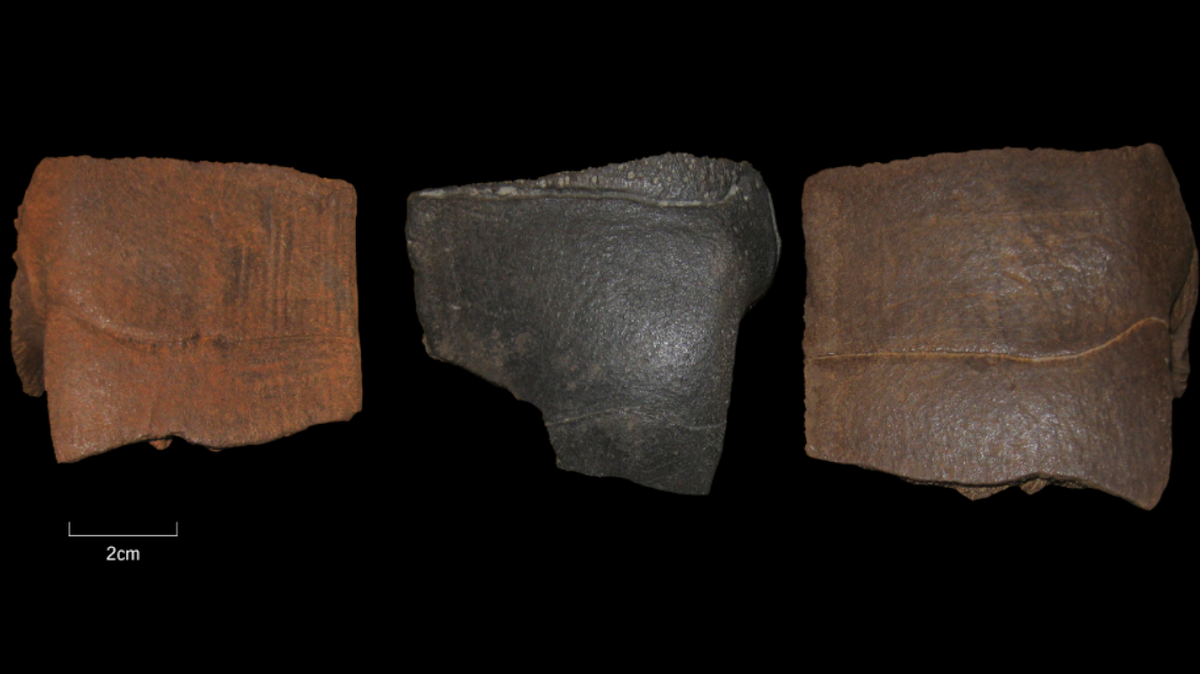
Five shell fragments from European pond turtles were uncovered from a gravel pit near Magdeburg, located about 100 miles southwest of Berlin, according to an April 25 news release from the state government’s monument conservation office.
Using radiocarbon analysis, they were dated to between 42,000 and 50,000 years old — placing them during an era when much of the continent was blanketed by ice sheets.
European pond turtles require temperatures of at least 64 degrees Fahrenheit to lay their eggs, indicating they may have originated in warmer climates, officials said.
Early humans were known to take turtles on the road as a type of provision, according to the release. The “easily-transportable” reptiles could have provided a fresh supply of meat when hunting was unsuccessful.
It’s possible, officials said, that Ice Age hunters — perhaps modern humans or Neanderthals — took turtles with them to the cold north of Europe.
However, future research will be required to prove whether or not this hypothesis is correct, the release states.
Evidence for turtle consumption in ancient times has also been found in Israel, South Africa and Spain, according to a 2011 study published in the Journal of Human Evolution.
Google Translate was used to translate a news release from the State Office for Monument Preservation and Archaeology.
This story was originally published April 30, 2024 at 8:17 AM with the headline "Turtles may have been taken by ancient humans while traveling — and eaten as snacks."