Archaeological site robbery report leads to ancient discoveries in Peru, officials say
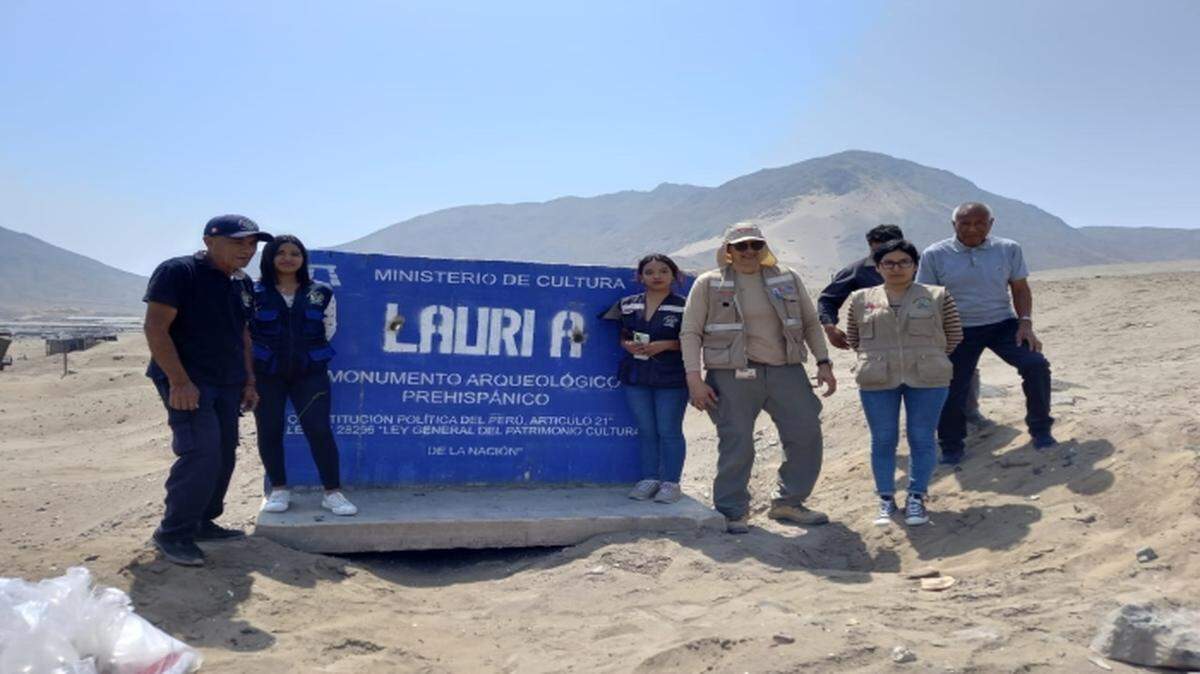
In the arid mountains north of Lima, Peru, the remains of an ancient culture lie buried in various stages of excavation.
It’s known as the Lauri Archaeological Site, and it was once home to the Chancay people, according to a May 3 news release from the Peru Ministry of Culture.
Between the Chancay and Huaura valleys, the site was occupied during the late intermediate period, about 1100 to 1450 A.D., officials said.
It may also be the scene of a crime.
A concerned citizen contacted the Ministry of Culture through an online platform to report what they believed to be robberies of the site, officials said.
The person believed artifacts were being stolen, a practice called huaqueo by officials that has become common north of Lima.
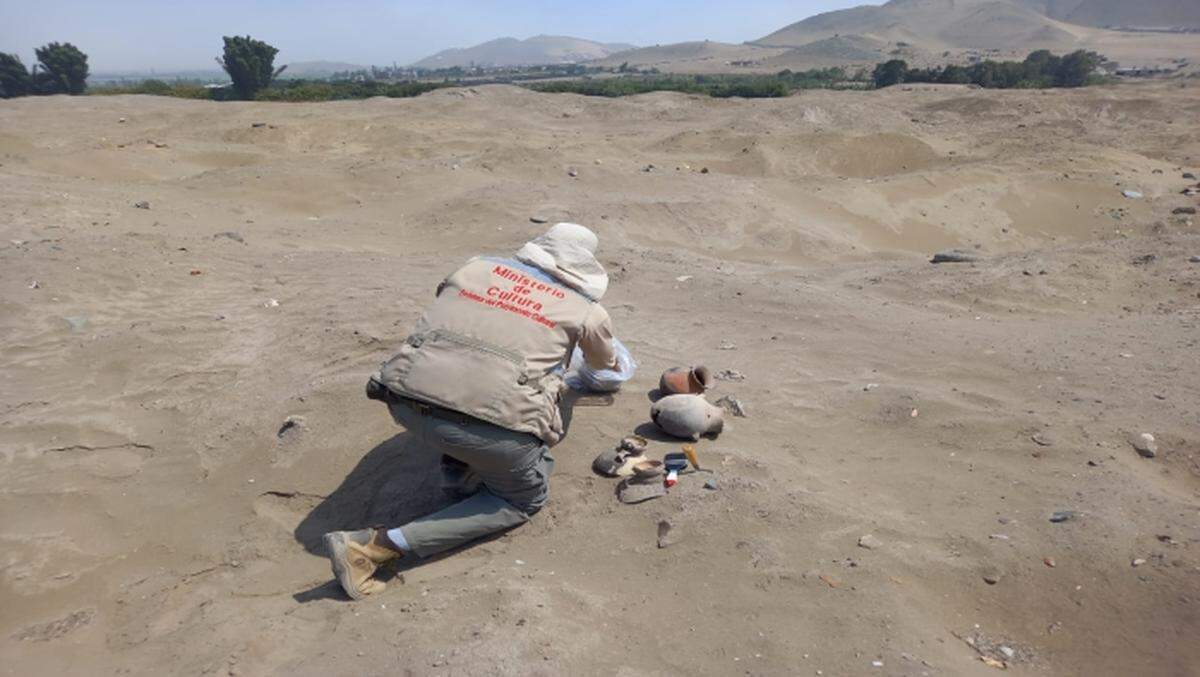
Archaeologists and cultural officials rushed to the site, and another known as Pampa Libre Archaeological Site, to conduct an inventory of known artifacts and make sure the site hadn’t been damaged, officials said.
While there, they made an archaeological discovery.
During the inspection they found 10 ceramic vessels that were around 600 years old, according to the release.
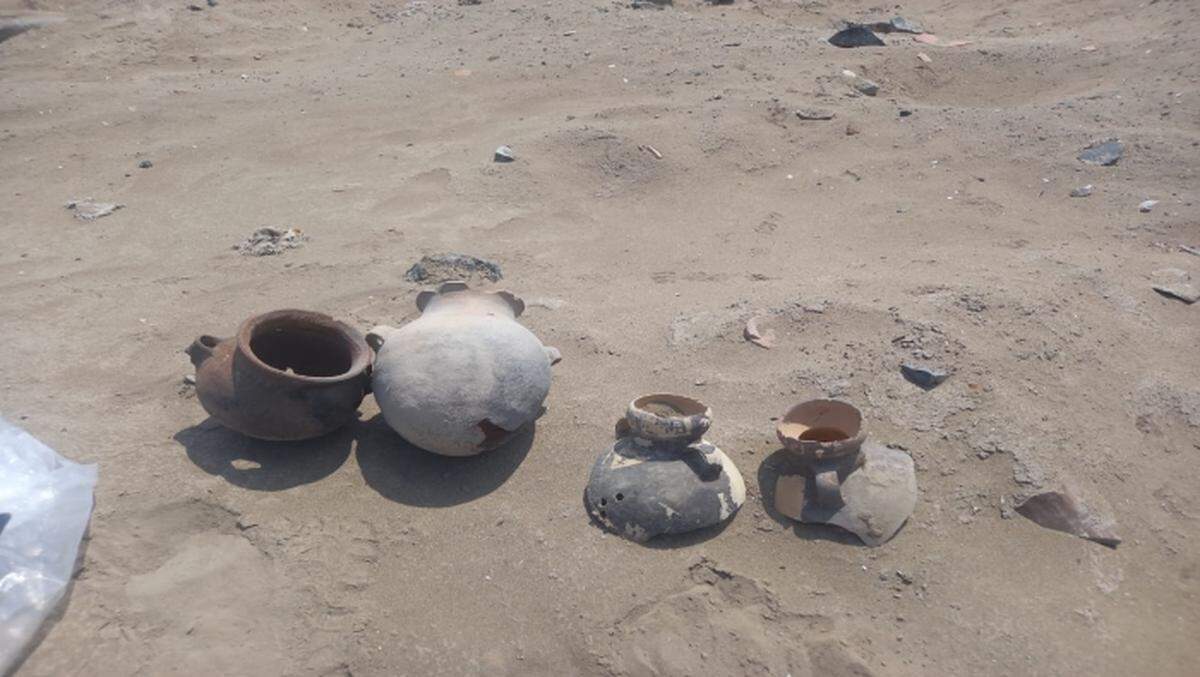
The researchers found jugs, pots and plates, which would have been made by artisans in the community using a modeling technique that built the ceramic pieces around molds, according to the release.
The ceramics are predominantly white and black in color, the archaeologists said, typical for that time and the Chancay people.
“Chancay pottery is mold-made, white-slipped and painted with mineral pigments before being fired in a simple oxidizing (oxygen-rich) environment. Most pottery does not appear to have been made in the larger, state-controlled workshops typical of more complex polities,” according to the University of Missouri Museum of Art and Archaeology.
Some of the pieces were heavily fragmented, according to the release, because of their lengthy exposure to the elements of the arid environment.
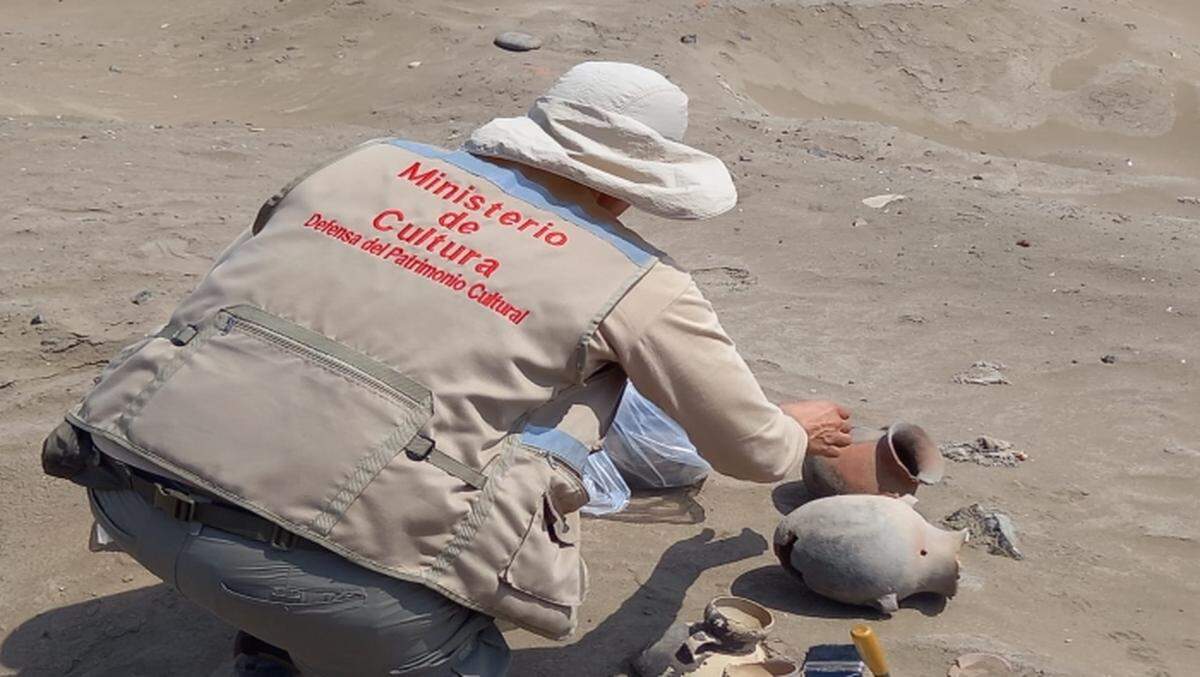
The pieces were carefully collected from the dirt and taken to the Ministry of Culture headquarters for further analysis, according to the release.
As many as 20,000 archaeological pieces are illegally excavated from historical sites and trafficked out of Peru each year, Archaeology News reported, making it difficult for archaeologists and researchers to learn and study the cultural heritage of the country.
Lauri Archaeological Site sits just north of Lima, on the western coast of central Peru.
Google Translate was used to translate the news release from the Peru Ministry of Culture.
This story was originally published May 7, 2024 at 1:48 PM with the headline "Archaeological site robbery report leads to ancient discoveries in Peru, officials say."