‘Thin’ and ‘fragile’ creature found clinging to mangroves in Brazil. See new species
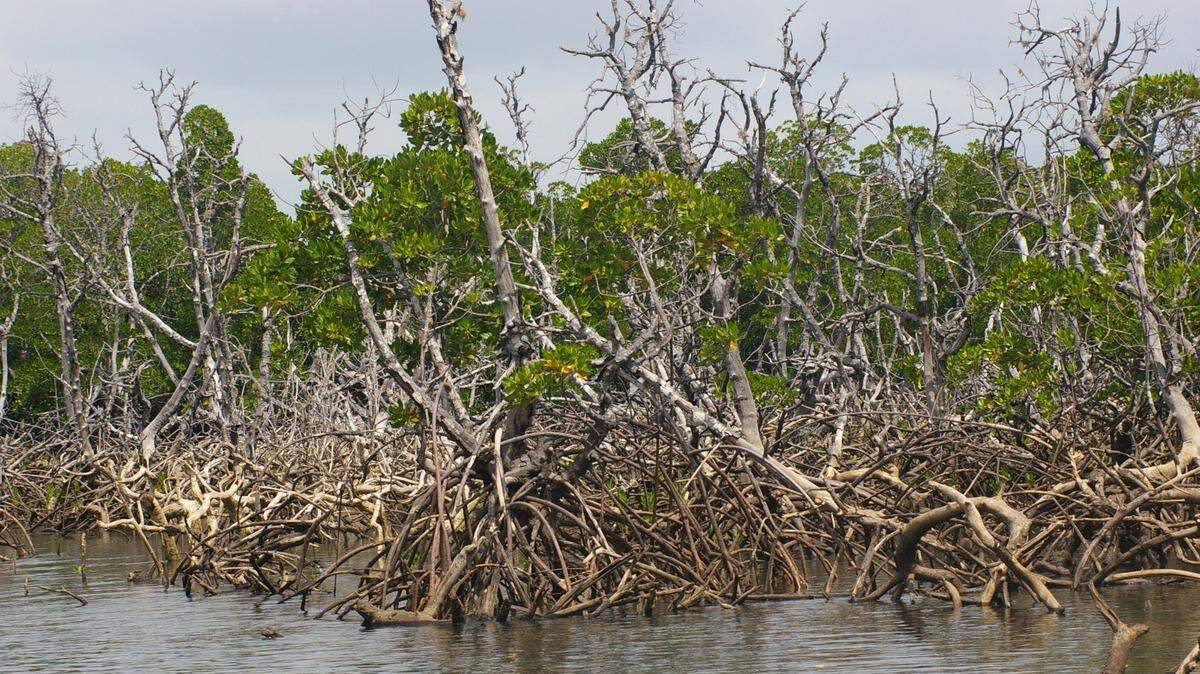
On coastlines and in estuaries around the globe, mangroves face rising sea temperatures, plastic and oil pollution and destruction from development.
The leafy tops of the tropical trees grace the top of the water while its intricate root system twists and turns under the surface, creating a protected harbor for all kinds of aquatic creatures.
Mangroves’ submerged networks act as nature’s water filters and have been the subject of more specific studies as environmental factors threaten the trees’ existence.
But for one research team in Brazil, taking a closer look at mangroves led to a different discovery — a new species.
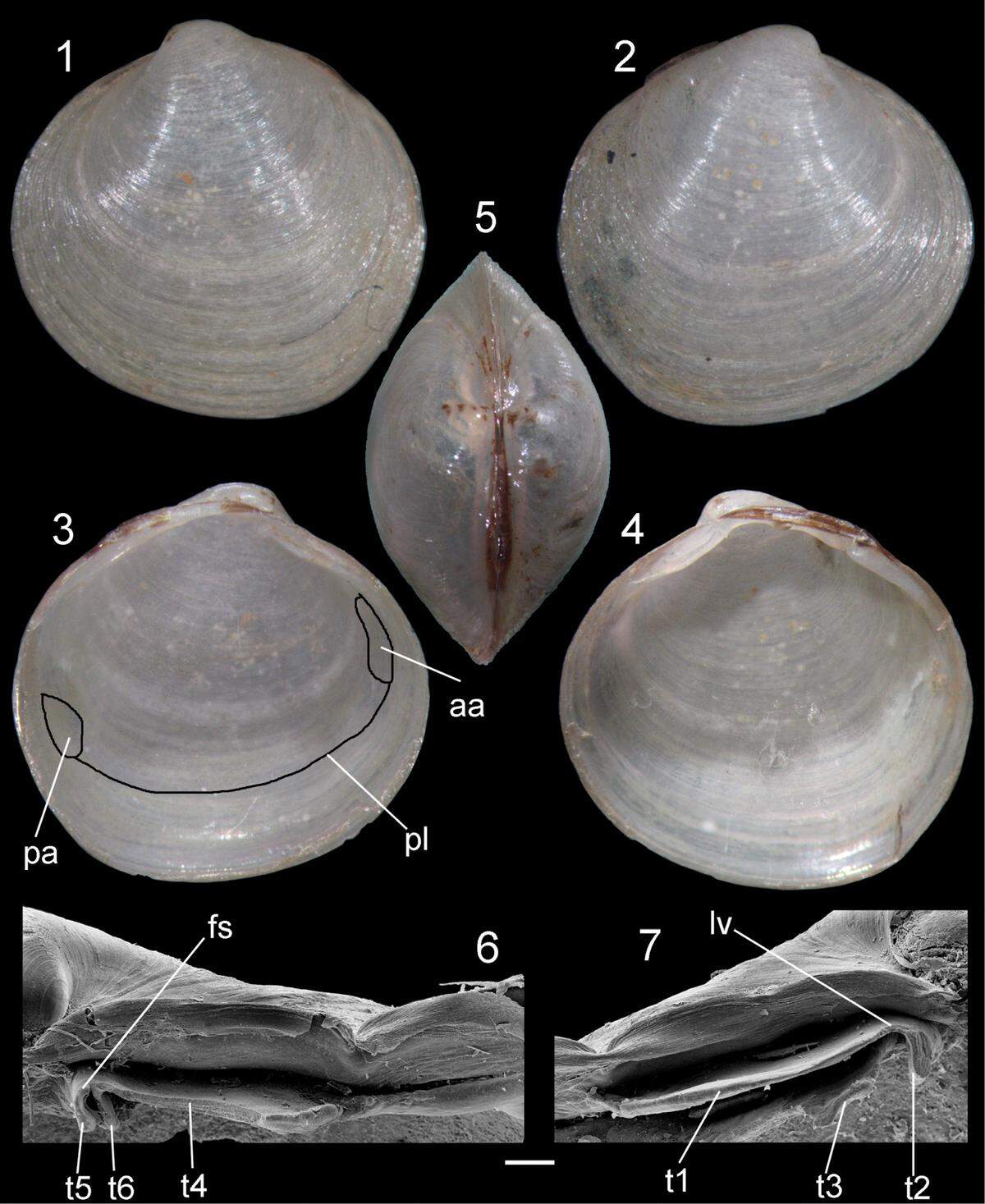
Along the northern coast on the Atlantic Ocean, researchers in the Ceará River estuary noticed small, white bivalves clinging to mangrove roots in the muddy sand, according to a study published May 14 in the journal Zoosystematics and Evolution.
Just a quarter of an inch in length, the shells have a glossy white finish and ridges creating “C” shapes along its surface, according to the study.
The shell itself, protecting the fleshy animal within, has “thin” walls, considered particularly “fragile,” the researchers said.
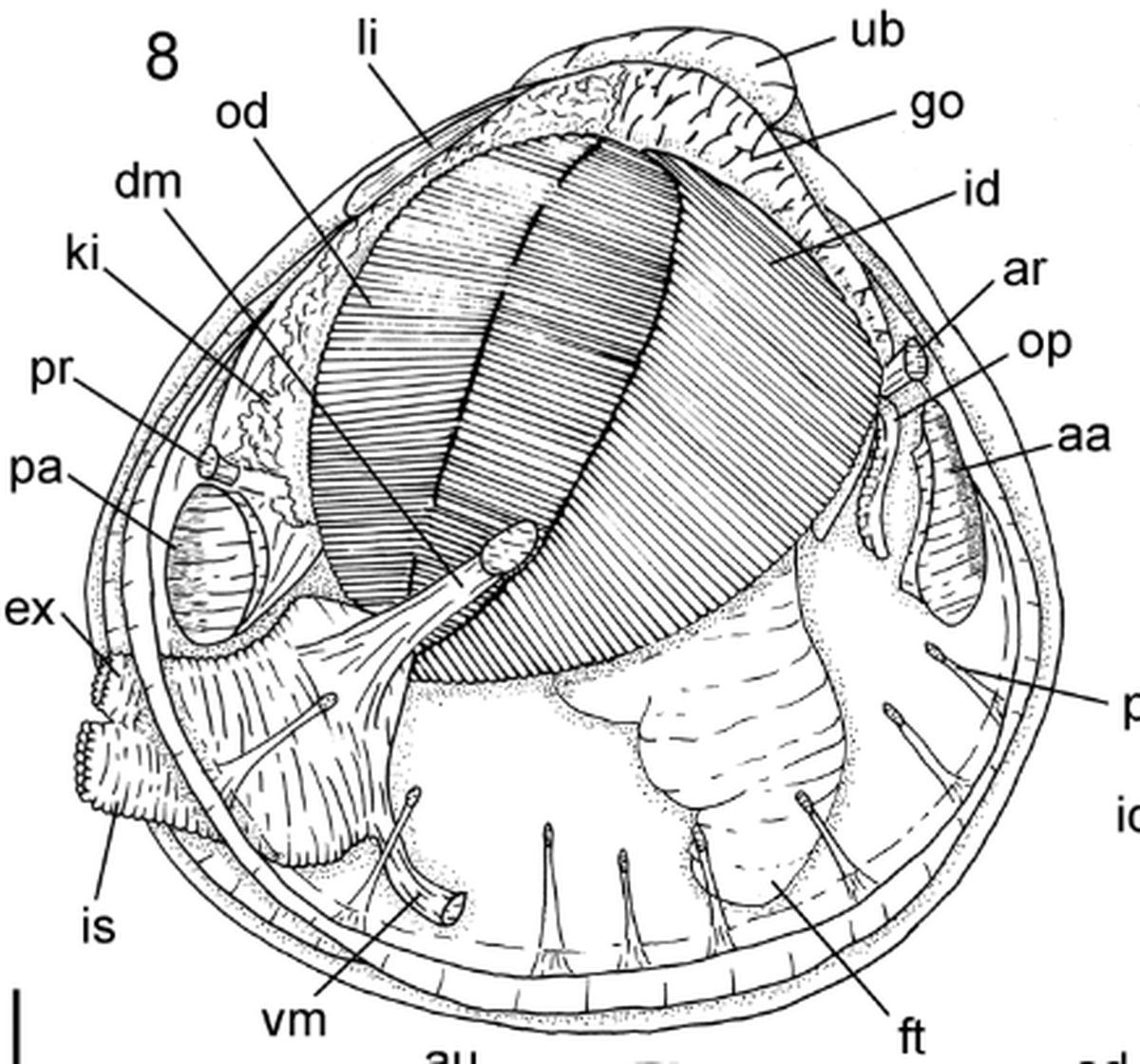
Inside the shell, the body of the bivalve is made from a muscle system and a large “foot,” which sticks out from the shell to move the bivalve around, according to the study.
The muscles are gray and light cream in color, and the foot has a “blunt, swollen” shape that is about half the size of the shell, the researchers said.
The shape of the shell and its fragility, compared to other bivalves in the genus that dig deep into the muddy sediment, set it apart as a new species, according to the study.
The new species was named Cyrenoida implexa, the latter referencing the Latin word for “tangled” as a reference to their home on mangrove roots.
Bivalves, like fish, have gills that filter the water for oxygen and food, according to the National Oceanic and Atmospheric Administration.
They also have an internal organ, called the mantle, that creates calcium carbonate that the animal then uses to build their own shell, allowing them to make their shell bigger as the animal inside grows, NOAA says.
Harvesting bivalves, an industry that contributes $1 billion annually in the U.S. alone, according to NOAA, is also threatened as the ecosystem they call home faces existential threats.
But they could serve a greater purpose.
Researchers have suggested introducing bivalves to polluted waters because their “filters” are self-cleaning and can operate for more than 12 hours a day, according to a March 2021 news release from the University of Connecticut.
There are estimated to be more than 15,000 species of bivalves, which include clams, oysters, mussels, scallops and mollusks.
The new species is found in multiple locations along the Atlantic coast of Brazil and was first discovered outside the city of Fortaleza, on Brazil’s northeastern point.
This story was originally published May 17, 2024 at 8:51 AM with the headline "‘Thin’ and ‘fragile’ creature found clinging to mangroves in Brazil. See new species."