Sharp-toothed prehistoric predator — that moves like accordion — found as new species
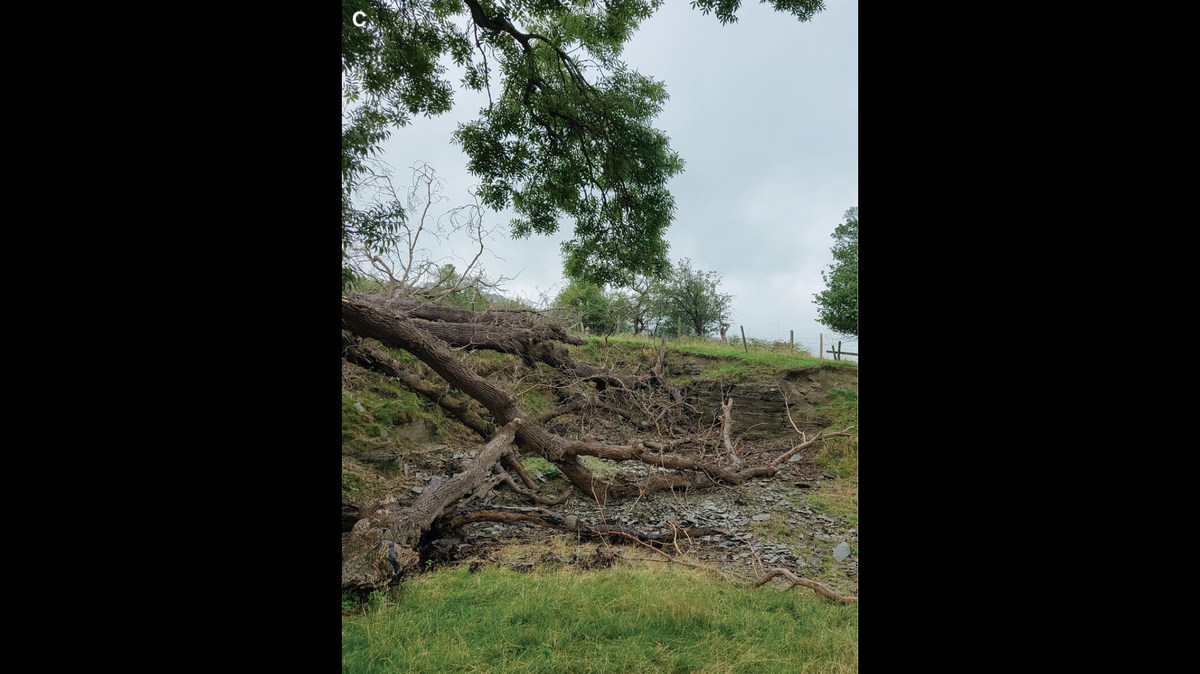
It was the 1920s, and workers tore into the stone of quarries in channels along the border between England and Wales.
Inside the rocks, the bodies of creatures past were discovered as fossils, and the samples were brought to the Natural History Museum in London.
They were assigned the genus Protoscolex, a “wastebasket taxon” where fossils were categorized when they couldn’t be identified, researchers said in a May 23 news release from the Natural History Museum.
A century later, the fossils have now been identified as a new species — and it was terrifying.
The discovery was published in the journal Papers in Palaeontology on May 22.
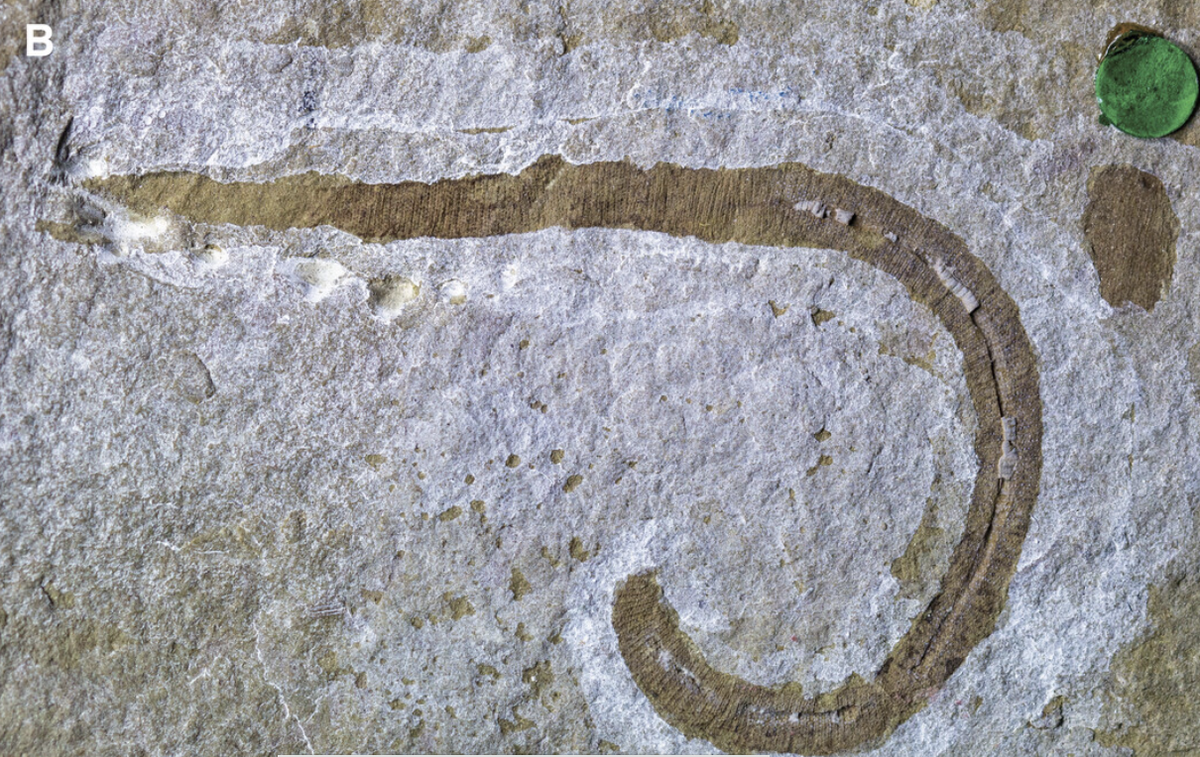
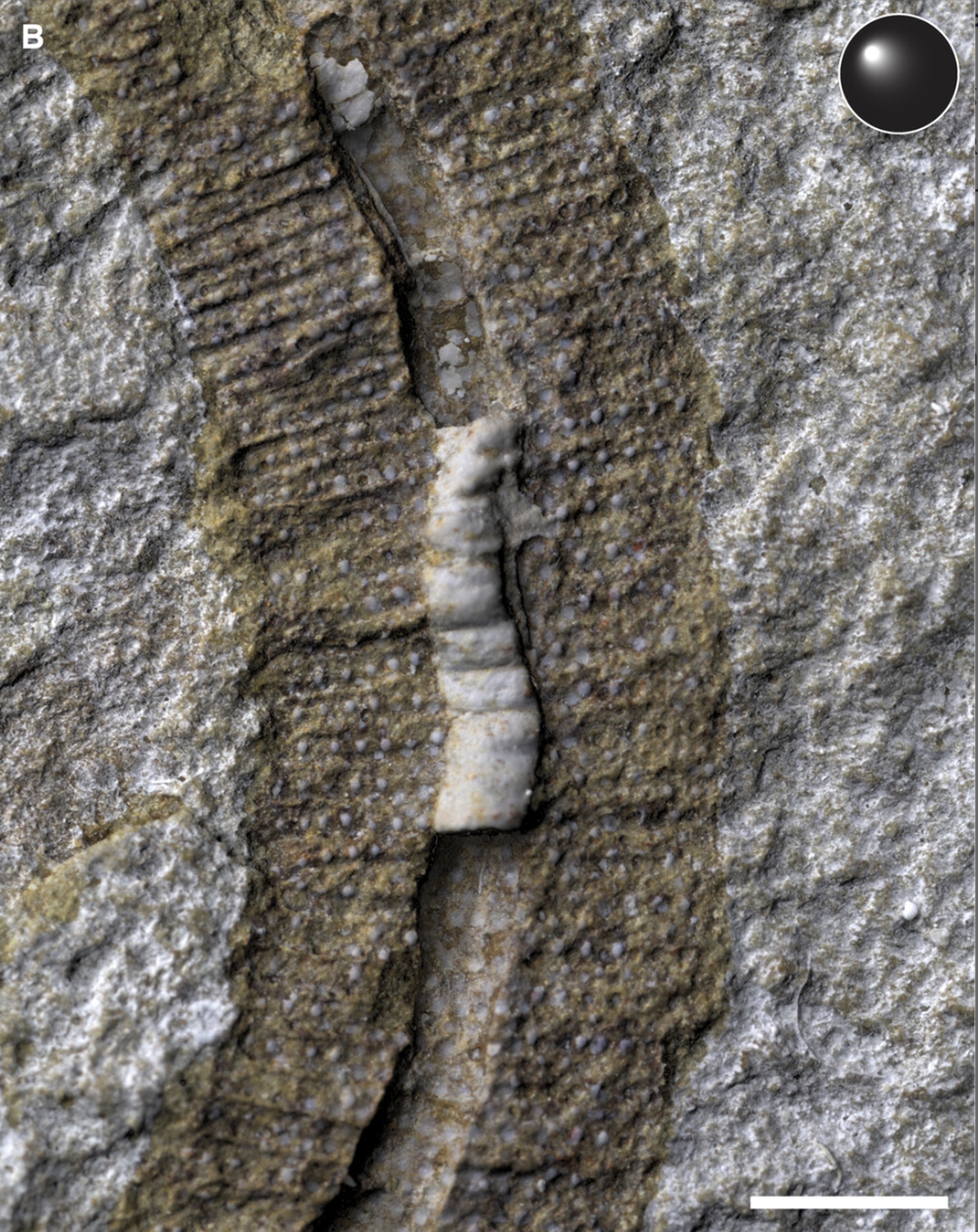
“In the 1920s, trying to analyze the skin of these tiny animals was difficult, which is why a lot of these species were understudied or undescribed,” Richard Howard, lead author and curator of fossil arthropods at the museum, said in the release. “Today, our scientists can use more advanced, state-of-the-art technology, like scanning electron microscopes to help make a more thorough description of the species.”
The new species is called Radnorscolex latus, and it lived 425 million years ago on the deep seafloor, likely near the edge of the continental shelf, according to the study.
Despite being only 4 inches long, the carnivorous, burrowing worm was a fearsome predator.
“They had a retractable throat which was covered in rows of sharp teeth that they would throw out to catch prey,” Howard said in the release. “We think they weren’t too picky when it came to feeding and likely just shoved their throat out into the mud and just grab(bed) anything they could find. They certainly make you think of the sandworm in Dune or the Xenomorphs from Alien!”
Their bodies would have been covered in “tiny armor plates” and “rows of backwards facing spines,” Howard said, which would have been used to drag its body along the seafloor.
The ring muscles of the body also “would have moved in and out like an accordion to propel it forward,” Howard said.
The new species belongs to the group palaeoscolecids, a family of worms that first appeared 520 million years ago in the ocean during the Cambrian explosion, according to the release. The group lived for 100 million years until the Silurian period until they eventually went extinct.
The new species lived at the end of the Silurian, making them some of the last palaeoscolecids to survive, researchers said.
“We think they could have been a low diversity group that hung on after the mass extinction before eventually becoming extinct not long after this specimen of R. latus would have lived,” Howard said. “But it could also be because they are a very understudied group. We are the only ones that have properly described the younger palaeoscolecids from the third time period of their existence. So, we are laying the groundwork for further study in the future.”
The fossils were found in a quarry in Herefordshire in western England, along the eastern border of Wales.
This story was originally published May 23, 2024 at 9:56 AM with the headline "Sharp-toothed prehistoric predator — that moves like accordion — found as new species."