Looters raided ancient burials — but missed one. See the gold treasures found inside
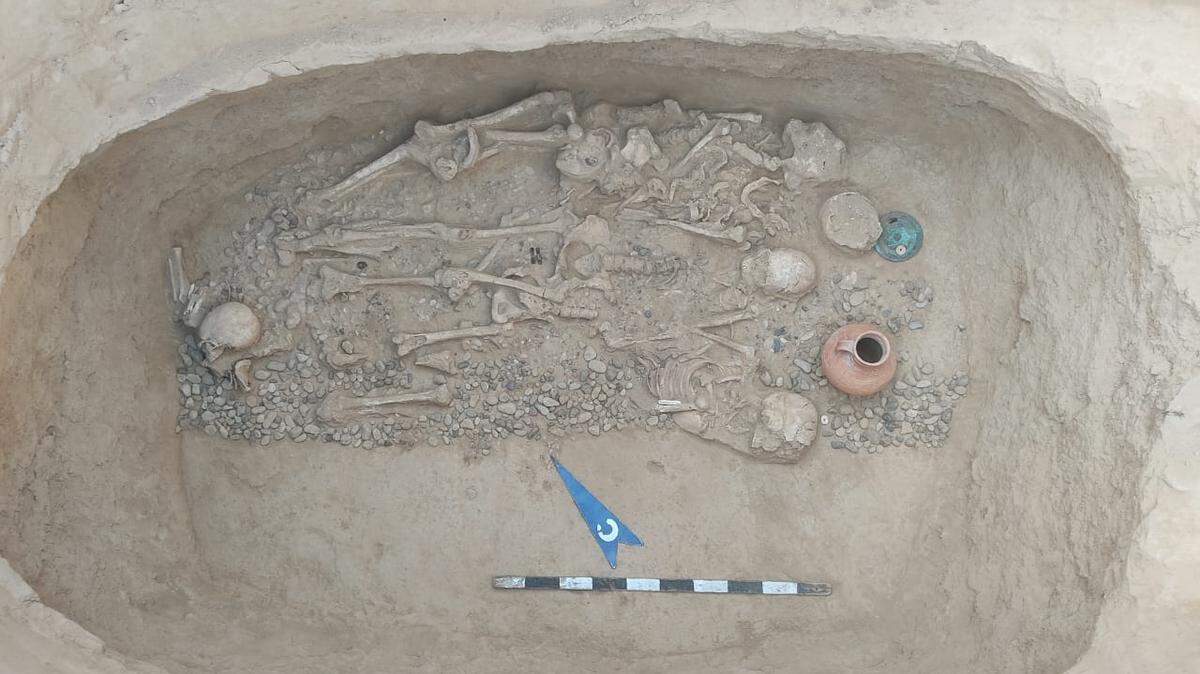
Digging into the dull brown dirt of a central Asian country, looters reopened two ancient burials. They gathered any valuable-looking artifacts and left.
Unbeknownst to the grave robbers, a third burial sat nearby, unopened — until now.
Archaeologists excavated an ancient burial ground in Turkistan, Kazakhstan, the Ozbekali Zhanibekov South Kazakhstan Pedagogical University said in a May 23 news release. The site had three graves dating between the second and fourth century.
Two of the burials had been looted at some point, but the third burial was still filled with treasures.
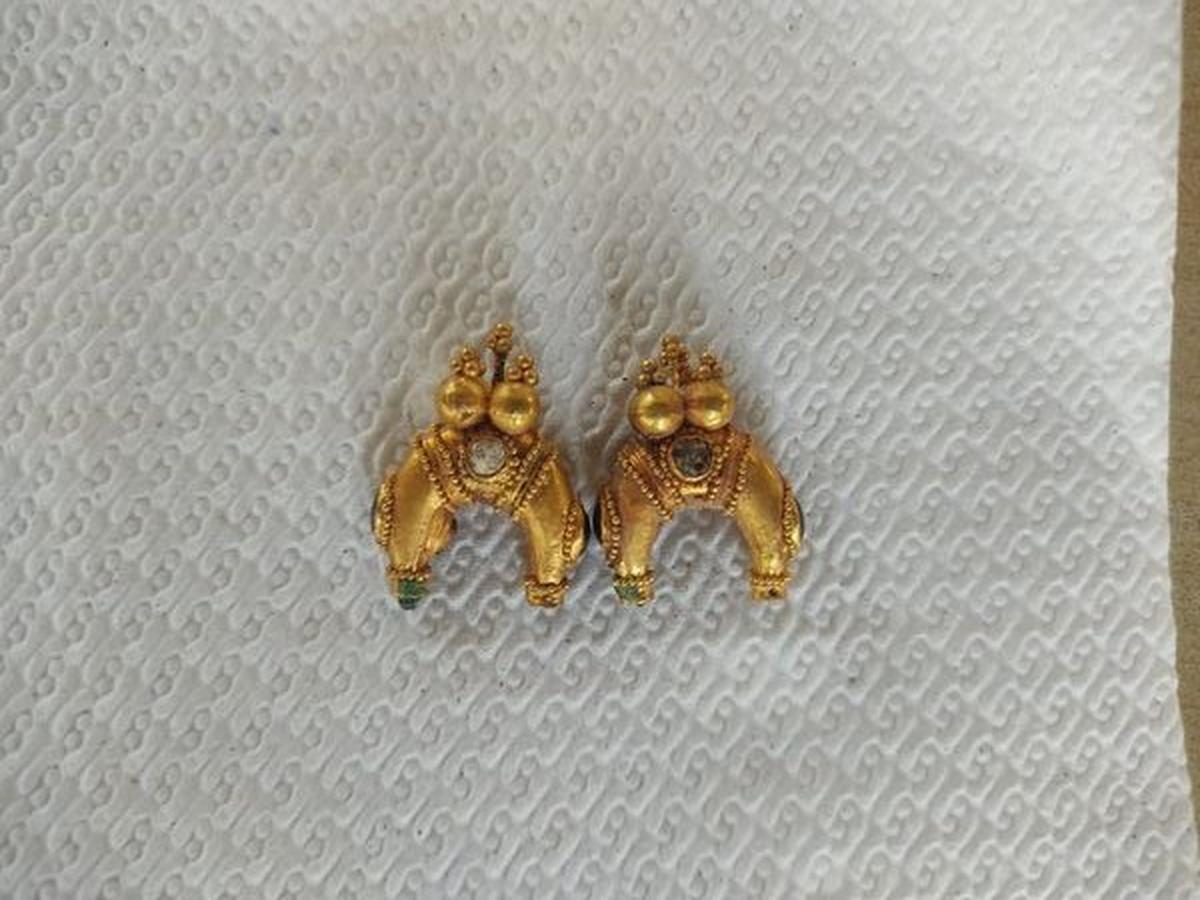
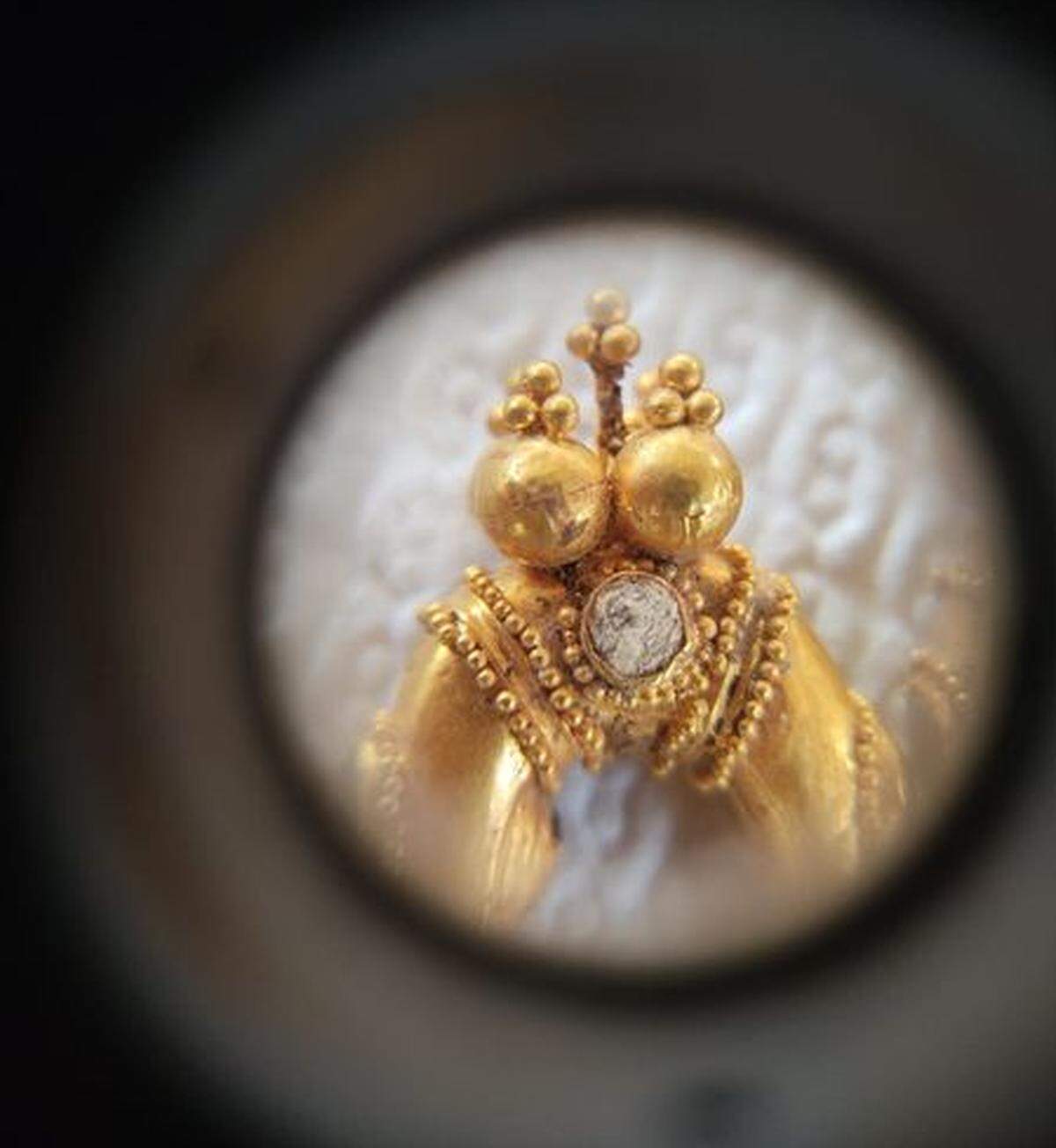
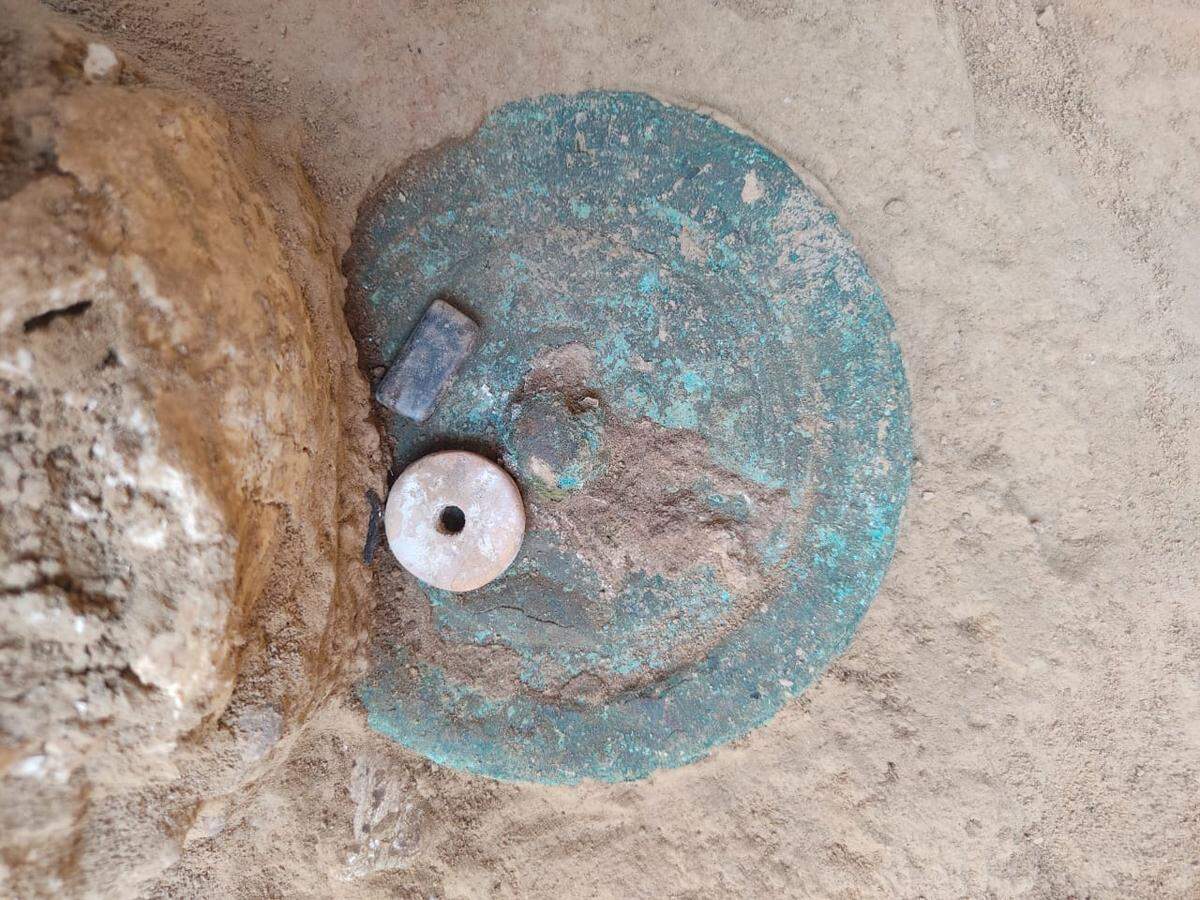
The 1,600-year-old grave contained a round bronze mirror, jar, brooch, earrings, beads and gold jewelry, the university said. Photos show a few of these artifacts, including a set of U-shaped gold earrings.
A shoe, belt buckle and arrowhead were also found in the grave, the university said. Archaeologists identified the ancient occupant as a high-status woman from the Kangju state.
Kangju state, sometimes translated as “Kanly,” is a poorly known power that ruled modern-day Kazakhstan and neighboring countries between roughly the fifth century B.C. and fourth century A.D., according to Qazaqstan Tarihy, a website dedicated to Kazakhstan history.
The state thrived as a major economic and cultural hub for ancient Silk Road trade routes before losing power.
Kazakhstan is a country in central Asia bordering the Caspian Sea to the west; Russia to the north; China to the east; and Kyrgyzstan, Turkmenistan and Uzbekistan to the south.
Artifacts from the Turkistan excavation will be given to Kazakhstan’s National Museum.
Turkistan, sometimes spelled Turkestan, is a region in southern Kazakhstan along the border with Kyrgyzstan and Uzbekistan.
Google Translate was used to translate the news release from the Ozbekali Zhanibekov South Kazakhstan Pedagogical University and article from Qazaqstan Tarihy.
This story was originally published May 29, 2024 at 11:17 AM with the headline "Looters raided ancient burials — but missed one. See the gold treasures found inside."