Ancient Roman well hid dozens of treasures — until now. See the finds in Italy
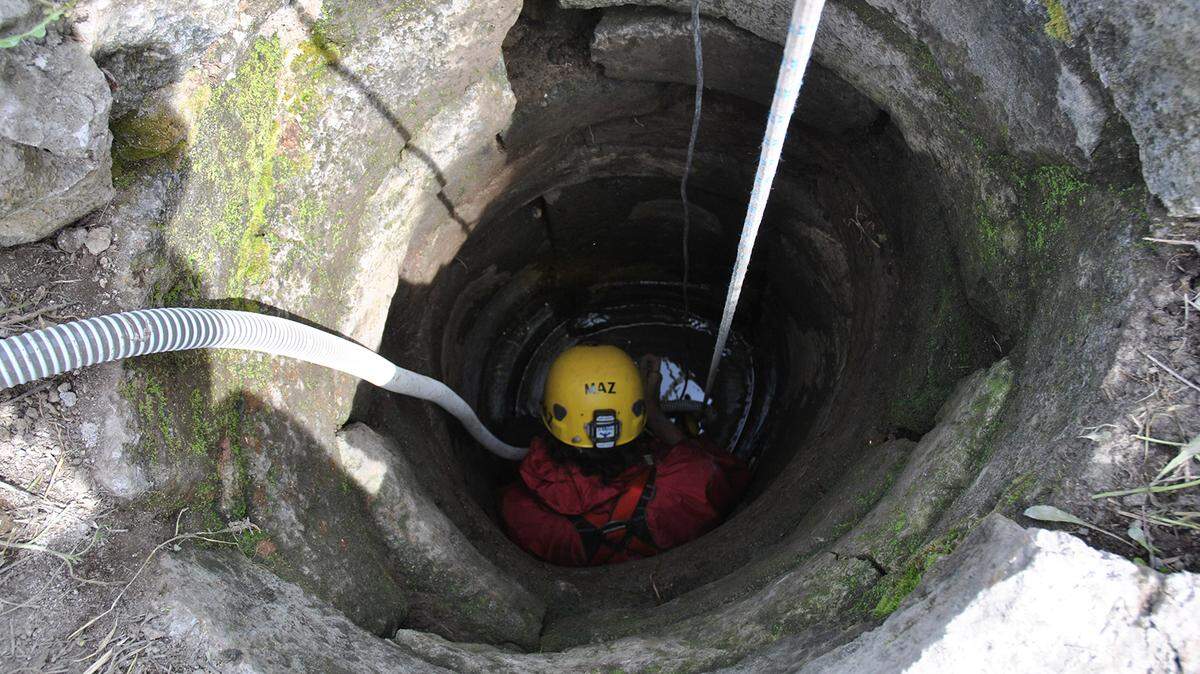
For almost two thousand years, a stone well sat in front of the steps of an ancient Roman temple in Italy. The ancient well wasn’t as attention-grabbing as its surroundings, but still hid a secret treasure trove — until now.
Archaeologists excavated the roughly 10-foot-deep well in Ostia Antica, an archaeological park on the outskirts of Rome, as part of a restoration project, Italy’s Ministry of Culture said in a June 5 news release.
A photo shows a worker being lowered into the ancient well. At the bottom, they sorted through the mud and uncovered dozens of artifacts from 1,800 years ago, officials said.
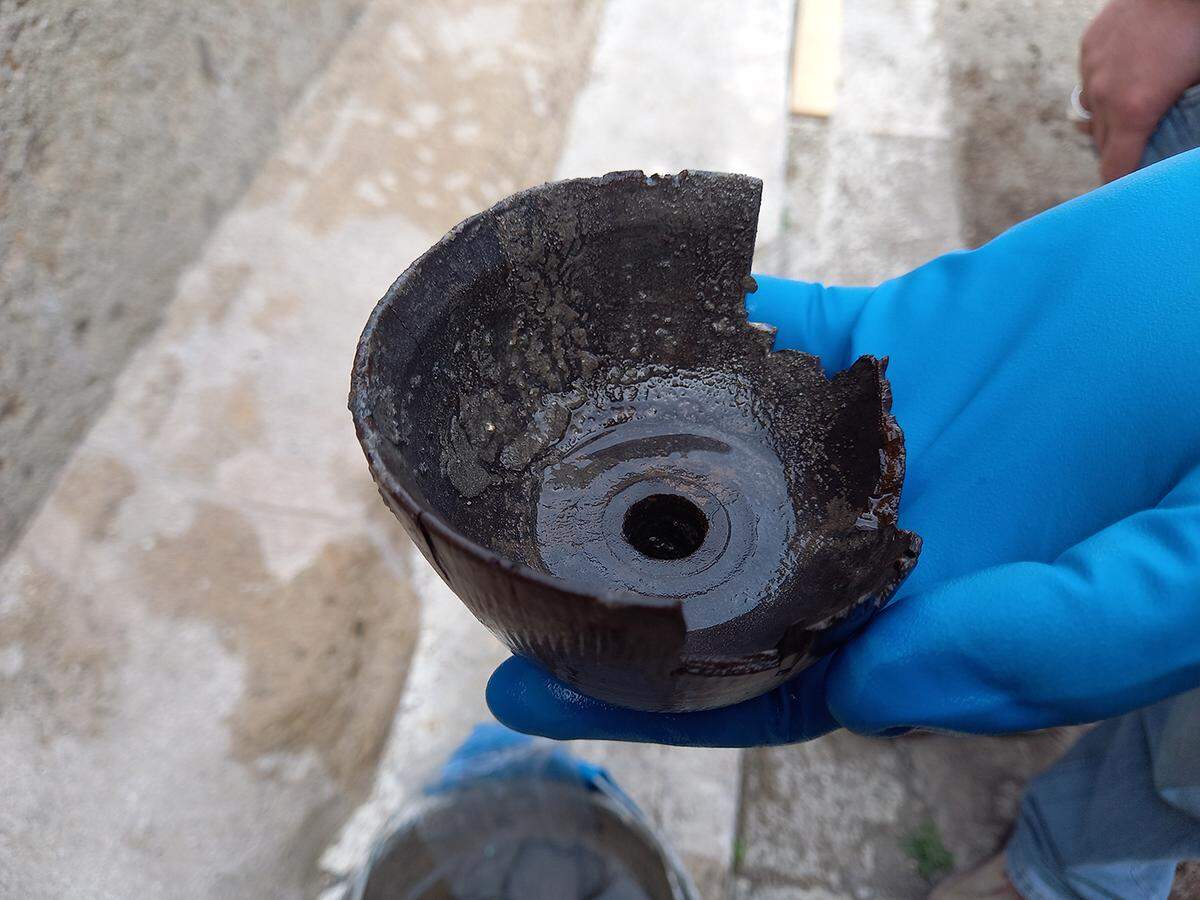
The most unique artifact was a wooden funnel or chalice-like object with an unknown purpose, archaeologists said. A photo shows the rare dark brown item.
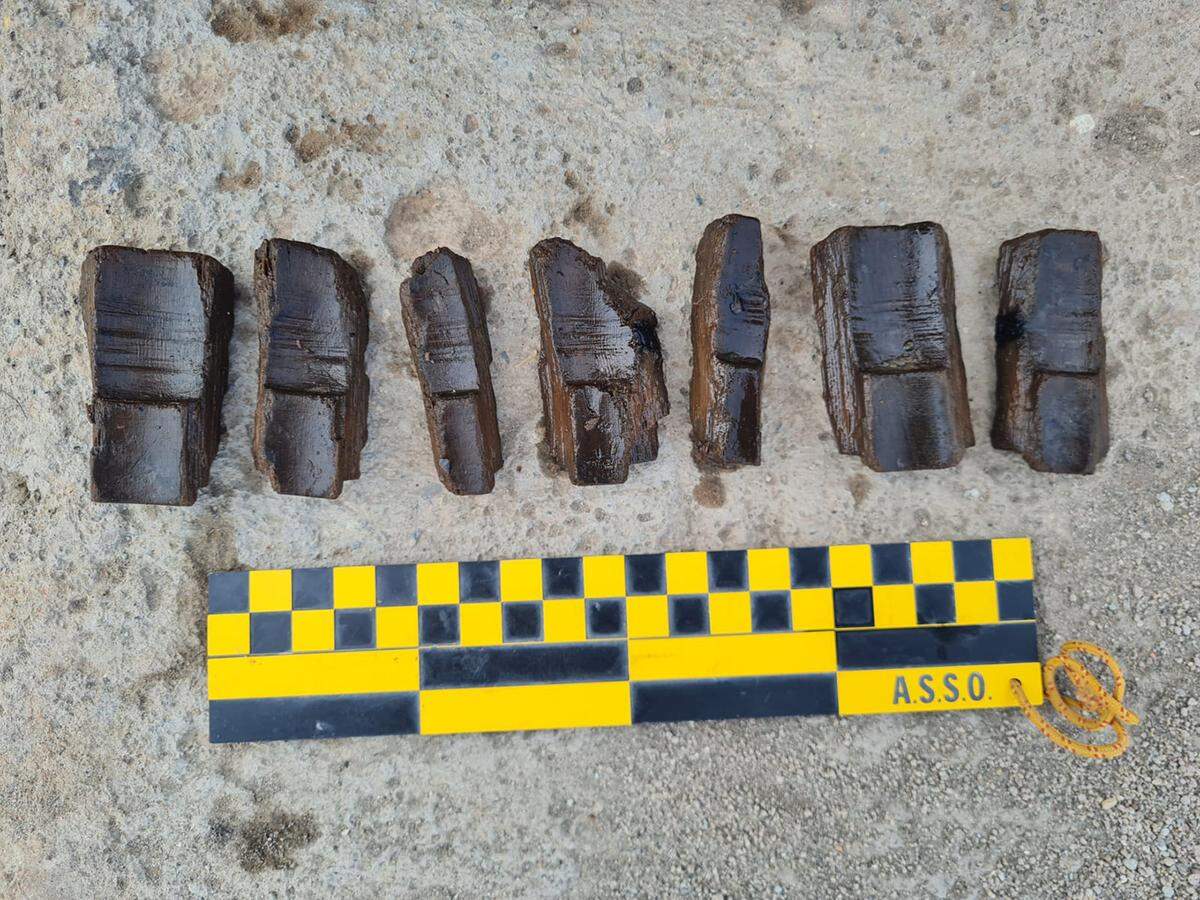
The well also contained several interlocking wooden items, officials said. Archaeologists suspect these fragments were once a tube or something similar.
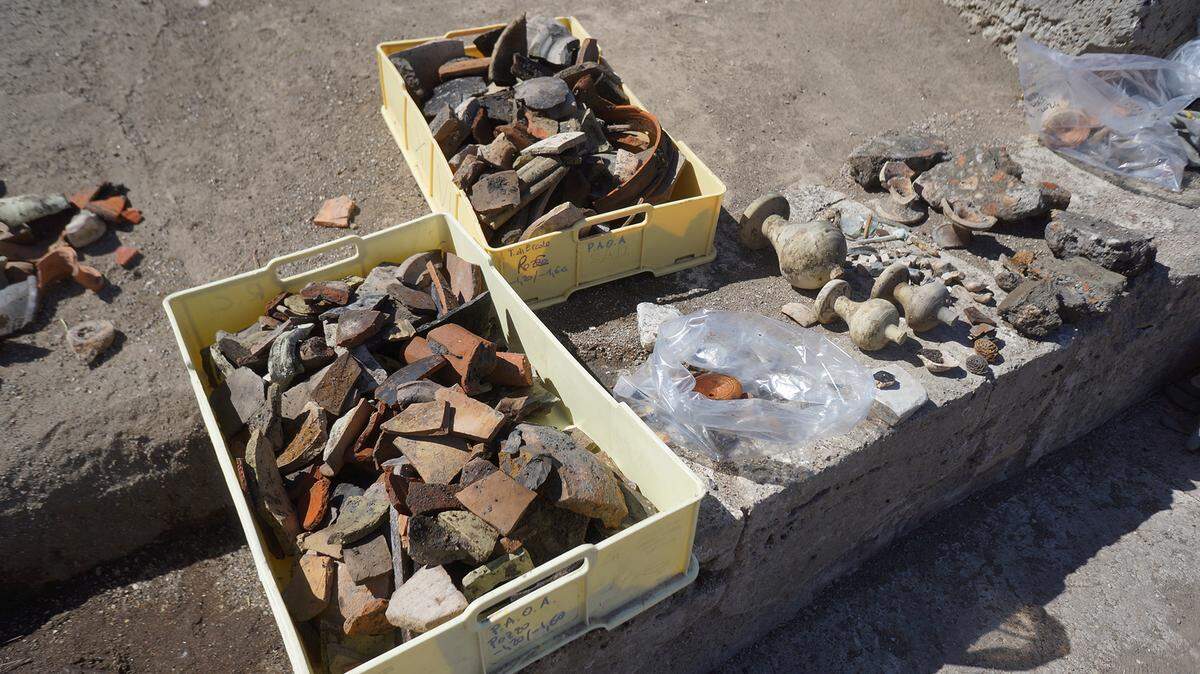
Archaeologists found broken glass containers, marble fragments, pottery pieces and burnt bones in the well. A photo shows some of these artifacts, which mostly date between roughly 50 A.D. and 200 A.D., officials said.
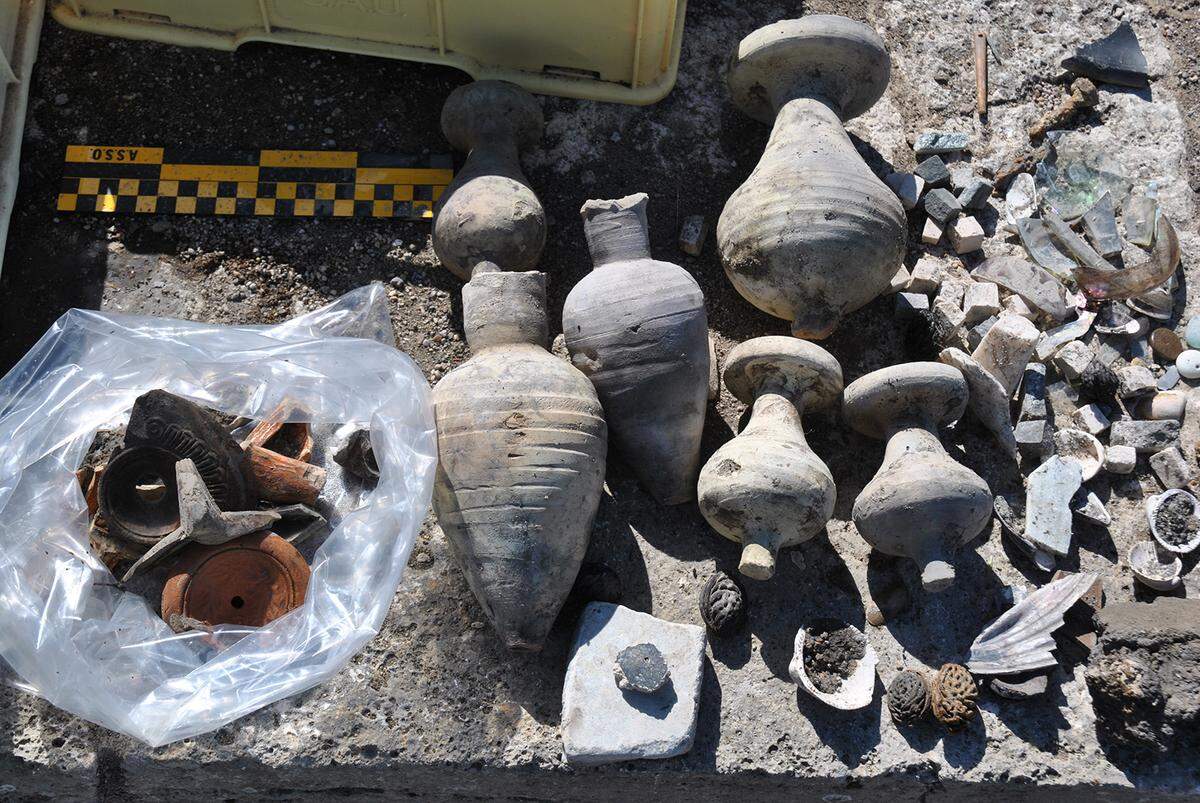
The burnt bones were identified as animal sacrifices from an ancient temple ritual, archaeologists said. The animals, probably pigs or cattle, were likely cooked and eaten during a ceremonial banquet. The leftovers were later thrown into the well.
The well sits near a temple complex built in the third century B.C., archaeologists said. The complex is dominated by a temple for Hercules but also has other cult buildings. The temple’s activity centered around oracles and efforts to predict the future.
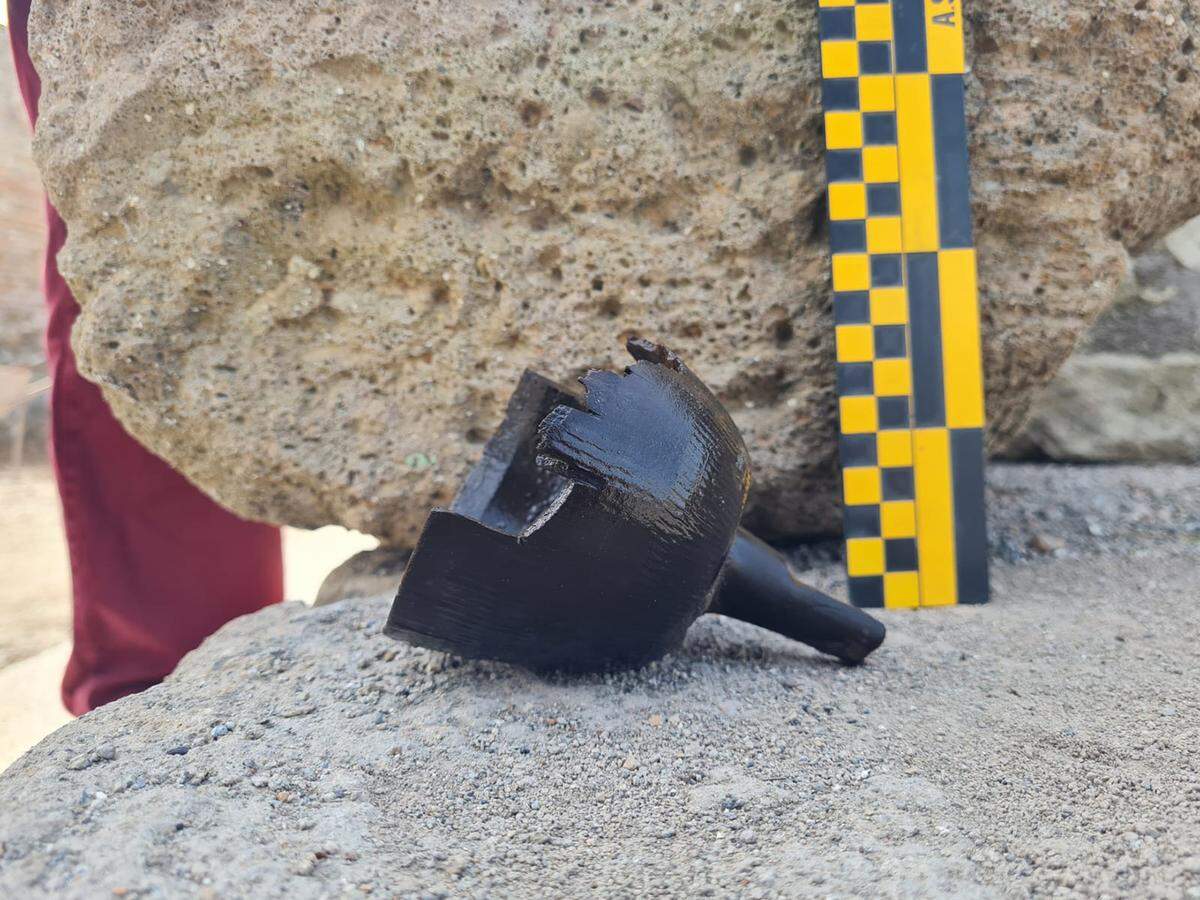
Archaeologists plan to continue studying the ancient wooden artifacts found in the well, officials said.
Google Translate was used to translate the news release from Italy’s Ministry of Culture.
This story was originally published June 6, 2024 at 11:01 AM with the headline "Ancient Roman well hid dozens of treasures — until now. See the finds in Italy."