Dog walker spots stone structures on beach cliff — and finds centuries-old bait tanks
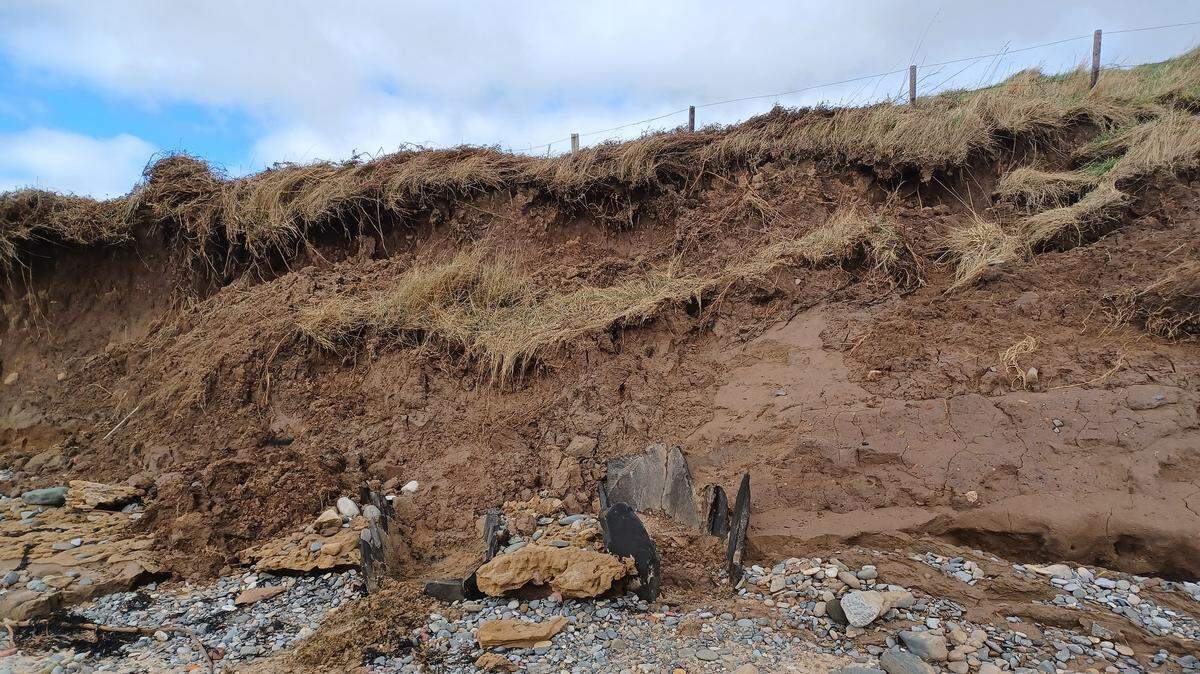
A man walking his dog along the coast of the United Kingdom noticed some stone structure emerging from a cliff. The structures turned out to be centuries-old tanks used for holding fishing bait.
Craig Thompson was walking his dog on a beach near Foxton in March when he noticed the unusual stones, officials with the Northumberland Coast National Landscape told McClatchy News on June 11 via email.
“I’ve walked my dog on this beach every day for years, and I’ve never seen anything like it,” Thompson told the BBC in March.
Initially, archaeologists suspected the two structures were ancient “burial cists,” a type of “stone-lined” grave primarily used in the Bronze Age, officials said in a June 10 blog post.
But when they excavated the finds, archaeologists found the pit-like stone structures had a “thick clay lining” and “no top slab,” officials said. They identified the finds as centuries-old bait tanks used during fishing.
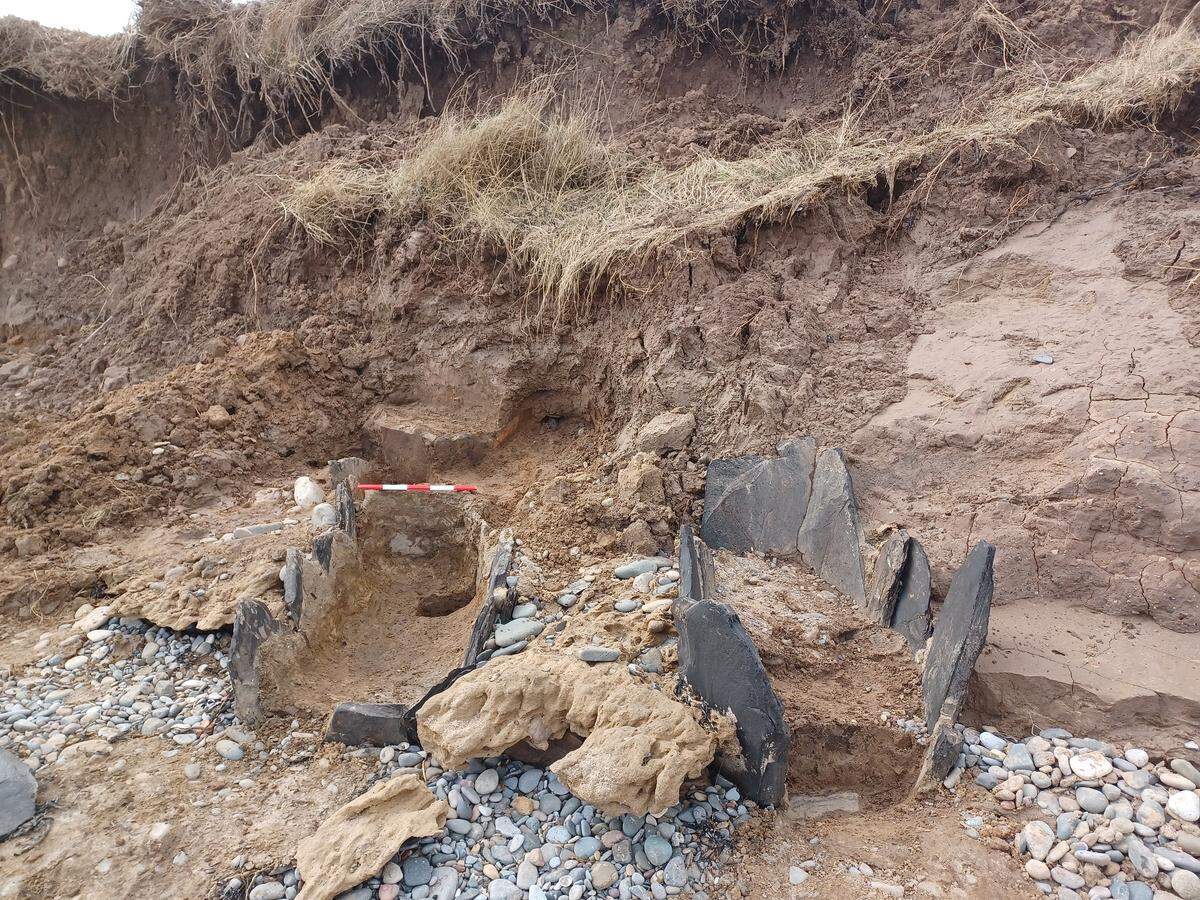
A photo shows the “historic” oval-shaped structures. Vertical shale stones form the outside of the “tanks.”
“Our current hypothesis is that the tanks were cut through the layer of beachrock at some point between the 17th and 20th centuries,” officials said.
Adrian Osler, a former curator of a maritime museum, helped archaeologists identify the find by pointing them to a 17th century “inshore” fishery located nearby in a “largely land-locked” region.
“The principal baits used in inshore longline fisheries were limpets and mussels, either of which might convenience the fisher if held in large numbers in short-term storage in water,” Osler said in the release.
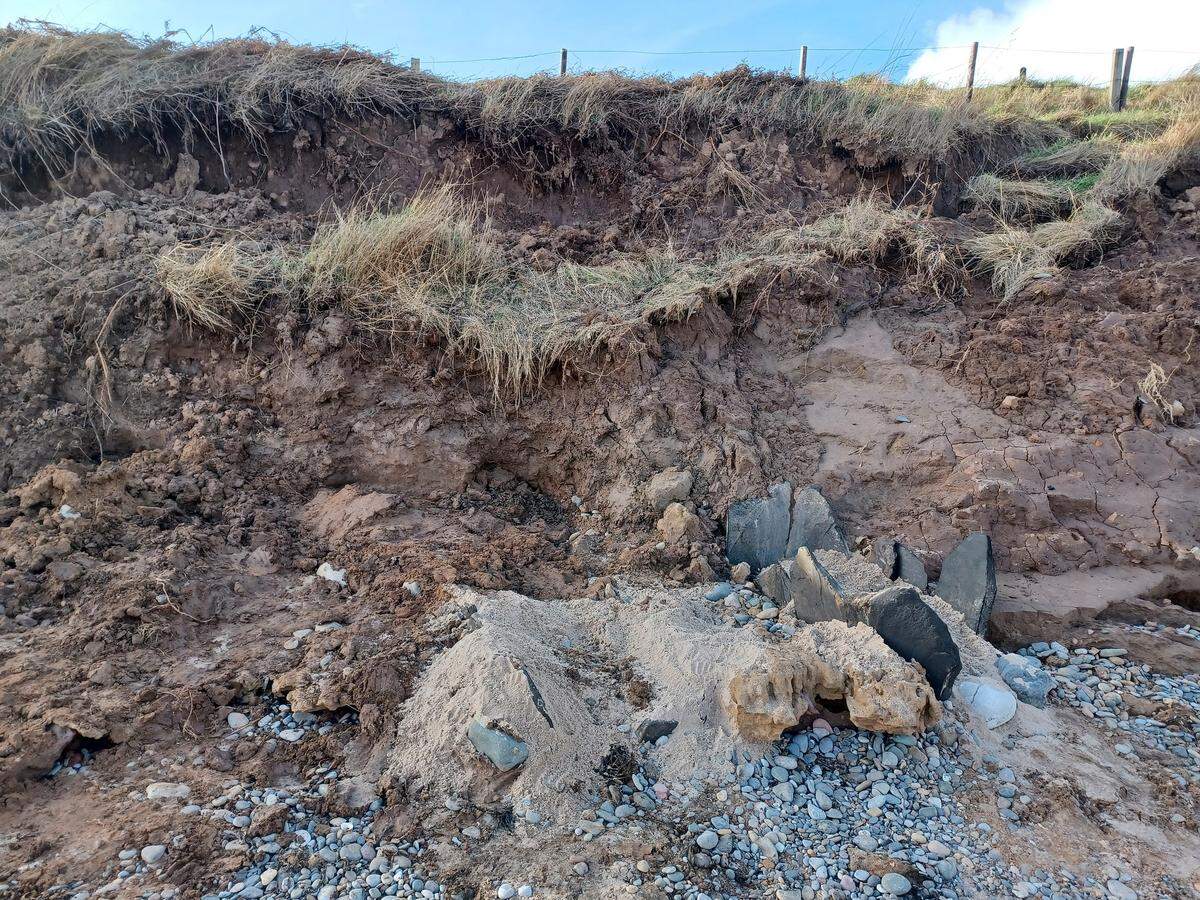
Officials shared photos of the “historic” finds on Facebook. The bait tanks were recently reexposed due to “coastal erosion.”
Archaeologists suspect a third structure is still buried in the beachside cliff but were not able to excavate it, officials said.
The area will continue being monitored by nature officials. Foxton is a coastal town in the Northumberland region and a roughly 300-mile drive north of London.
This story was originally published June 11, 2024 at 9:32 AM with the headline "Dog walker spots stone structures on beach cliff — and finds centuries-old bait tanks."