3,500-year-old purple dye found at ruined workshop in Greece, study says. Take a look
To the untrained eye, a heap of crushed shells and some purple pottery fragments might not look like much. But to archaeologists in Greece, these artifacts were remnants of a 3,500-year-old dye workshop.
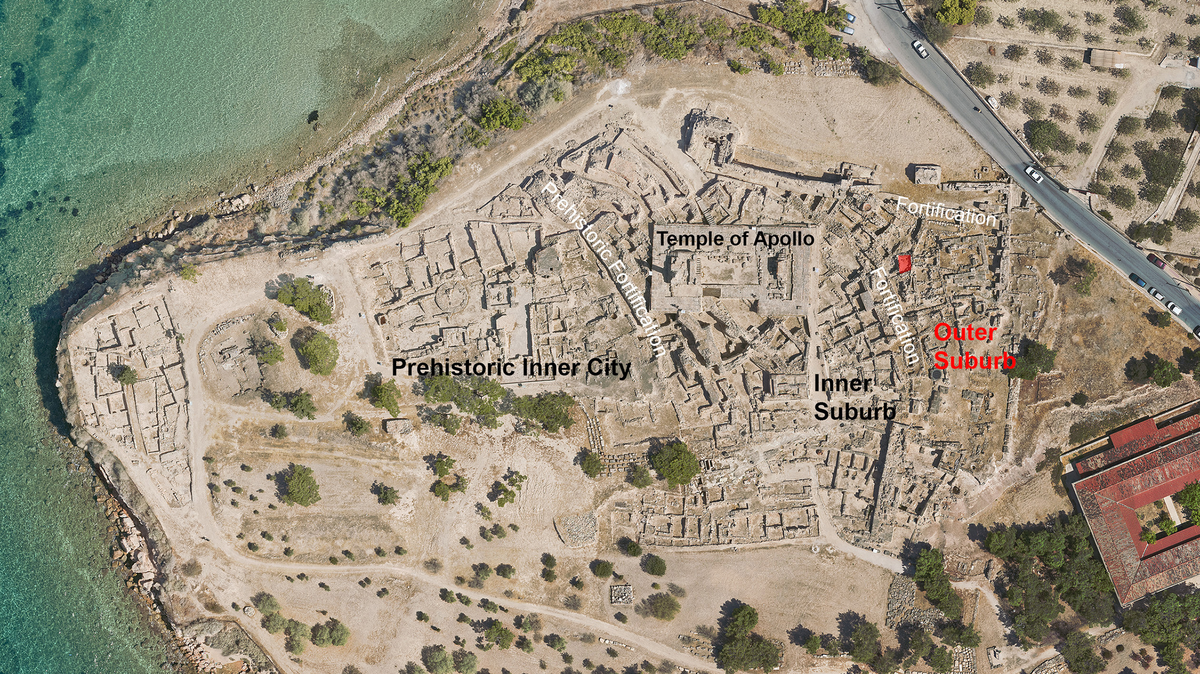
Archaeologists found the telltale artifacts while excavating the ancient Mycenaean ruins of Kolonna on Aegina island, according to a study published June 12 in the peer-reviewed journal Plos One. They focused on a small section known as K10 where two buildings had collapsed on top of each other.
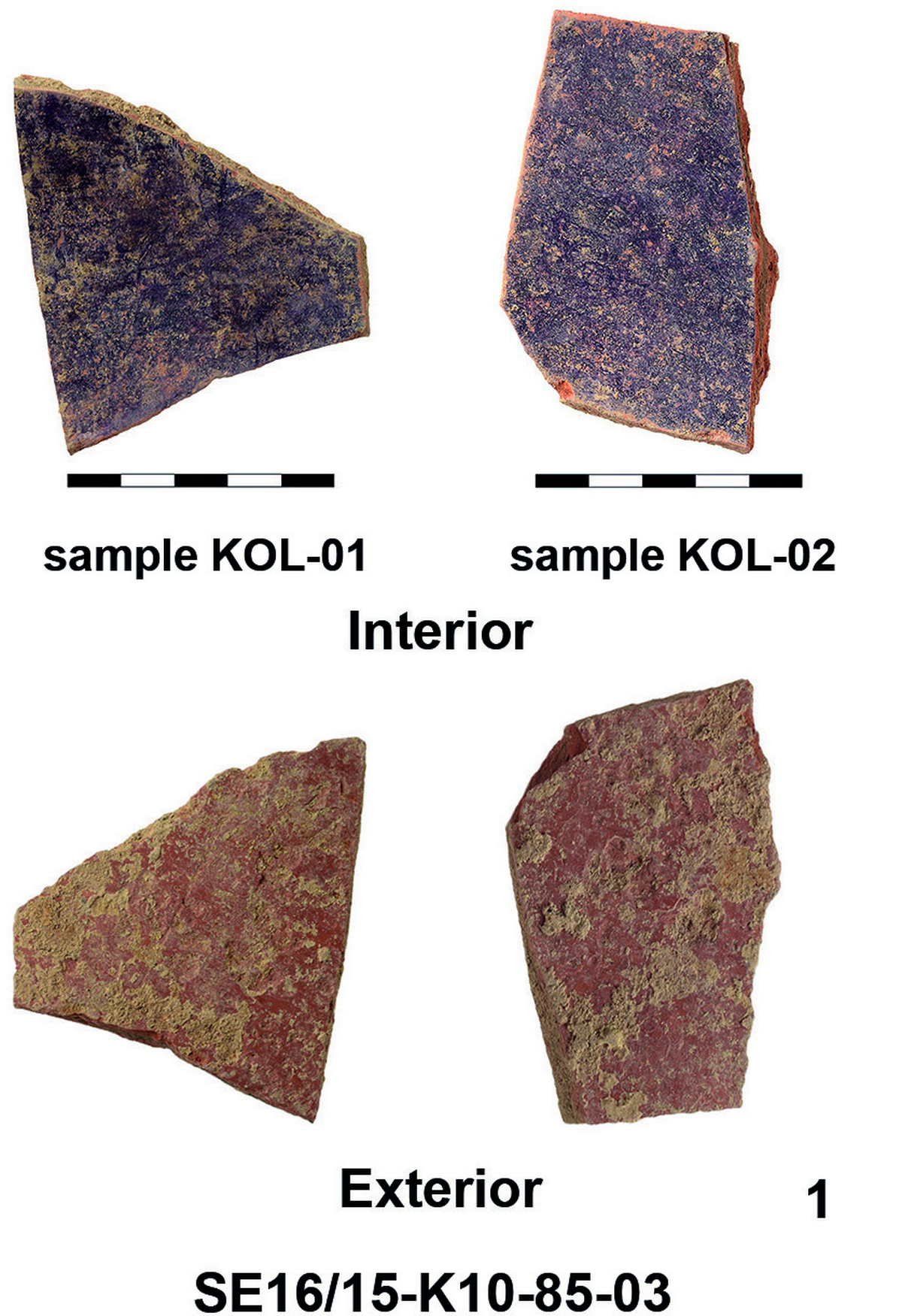
As they dug, archaeologists unearthed eight pottery fragments with purple pigment, the study said. They quickly recognized the color as a “rarely” preserved ancient dye.
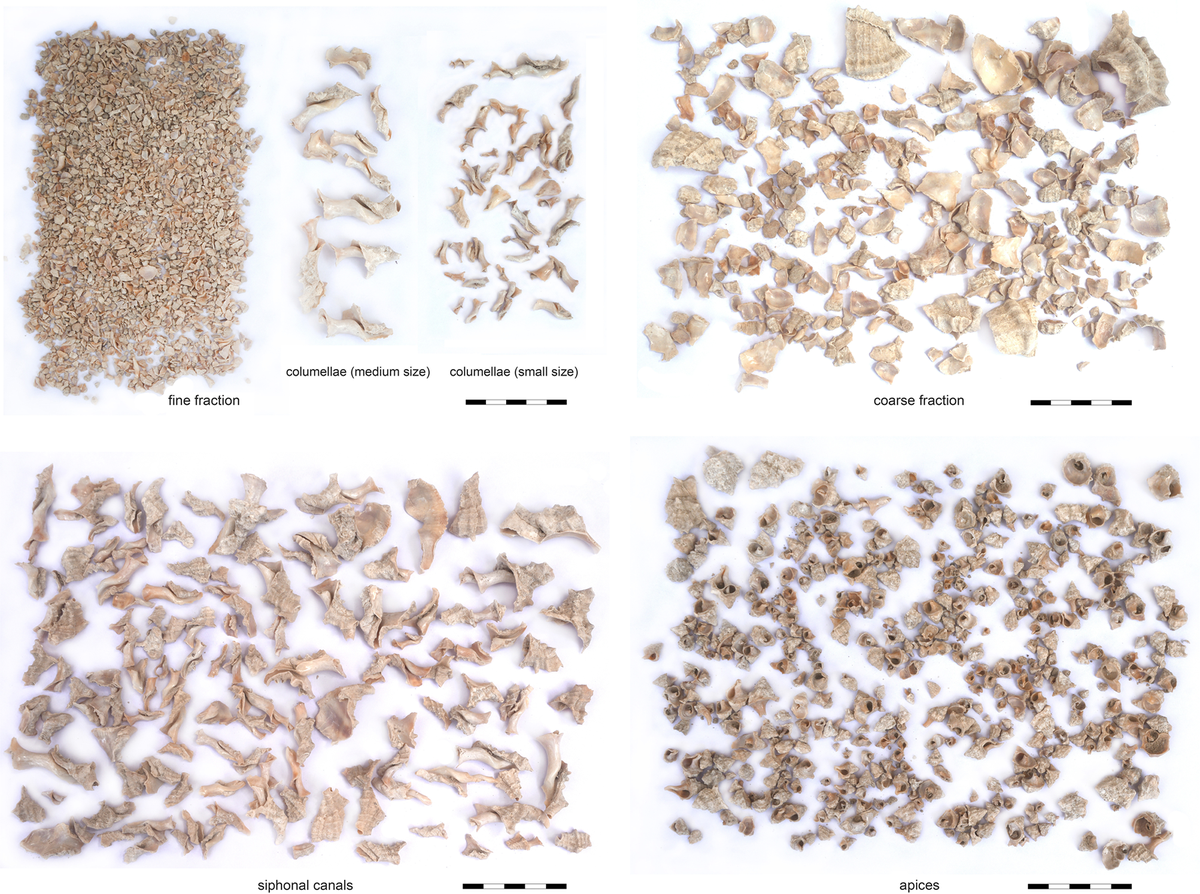
Nearby, excavations uncovered a pit “filled with crushed purple snail shells,” researchers said. Inside the pit were several stone tools.
Archaeologists identified the ruins as a 3,500-year-old workshop used for producing purple dye, the study said.
In ancient Greek times, purple pigment was a sought-after commodity. “Purple-colored objects” became associated with “the term ‘royal,’” researchers said. To make this dye, workers collected snails, crushed their shells and steeped the fragments with salt water.
The ruined building at Kolonna had three key indicators linked to purple dye production, the study said. First, there was the “raw material” in the form of crushed snail shells. Second, there were the “tools” or “facilities” in the form of “pounders, (a) grinding stone (and a) waste pit.” Third, there was the “finished product” in the form of purple pottery fragments.

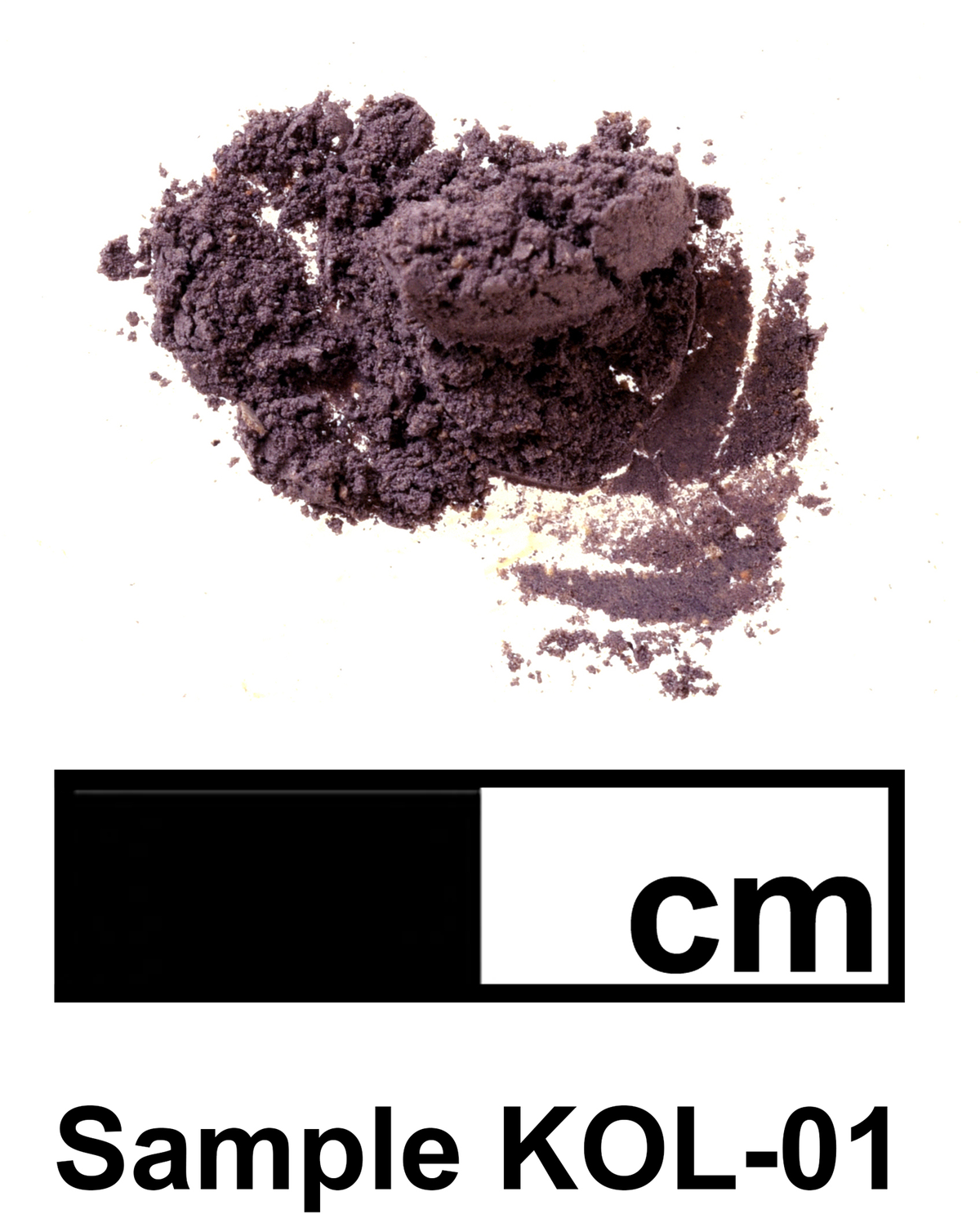
Photos show the rare lavender-colored pigment and some of the broken snail shells.
Researchers analyzed the composition of the dye to determine its origin, the study said. The analysis confirmed the material originated from snail shells.
Archaeologists don’t know the scale of the dye workshop but concluded the work was “continuous” and “most likely professional.” The final use of the purple pigment remains unclear.
Aegina island is about 20 miles southwest of Athens. Excavations at ancient Kolonna are ongoing.
The research team included Lydia Berger, Gerhard Forstenpointner, Peter Frühauf and Fabian Kanz.
This story was originally published June 13, 2024 at 9:31 AM with the headline "3,500-year-old purple dye found at ruined workshop in Greece, study says. Take a look."