Forest creature — with ‘velvet’ soft body — discovered in the Amazon. See new species
.jpg "In the mountain rainforests outside Quito, Ecuador, a small, soft creature hides under the leaves.")
Outside the bustling city of Quito, Ecuador, the Tiputini Biodiversity Station sits in the middle of acres of undisturbed rainforest.
The site is in the foothills of the Andes and represents one of the more biodiverse regions on the planet.
Here a group of researchers walked up and down the trails on the hunt for critters of the night.
Under the cover of darkness, researchers turned over leaves, peeked around low branches and lifted up the low-lying bushes until they spotted a small, wriggly creature, according to a study published June 14 in the journal Zoosystematics and Evolution.
Its body was soft, and it left behind a thick slime as it crossed the leaf litter.
It’s a new species of velvet worm.
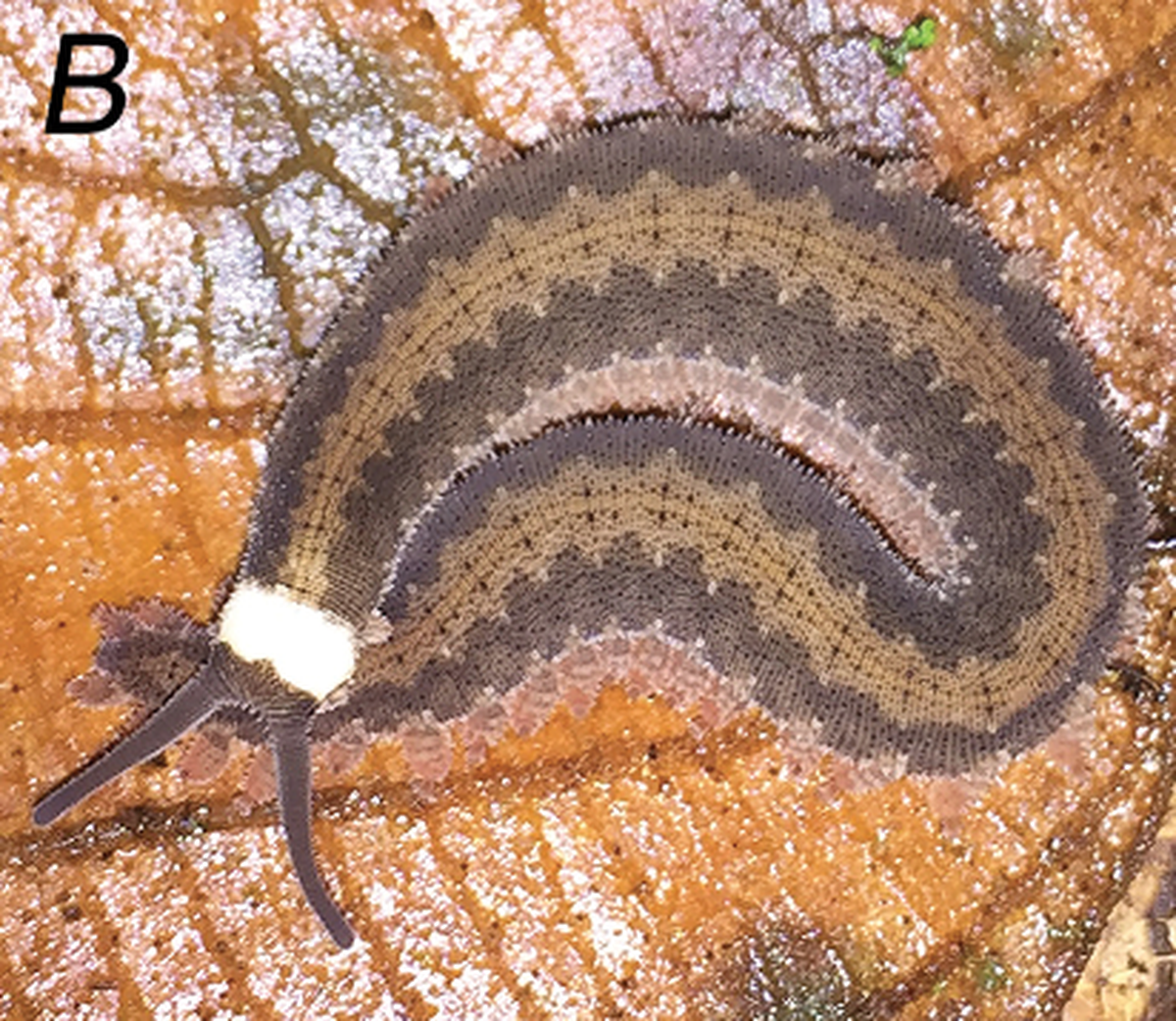
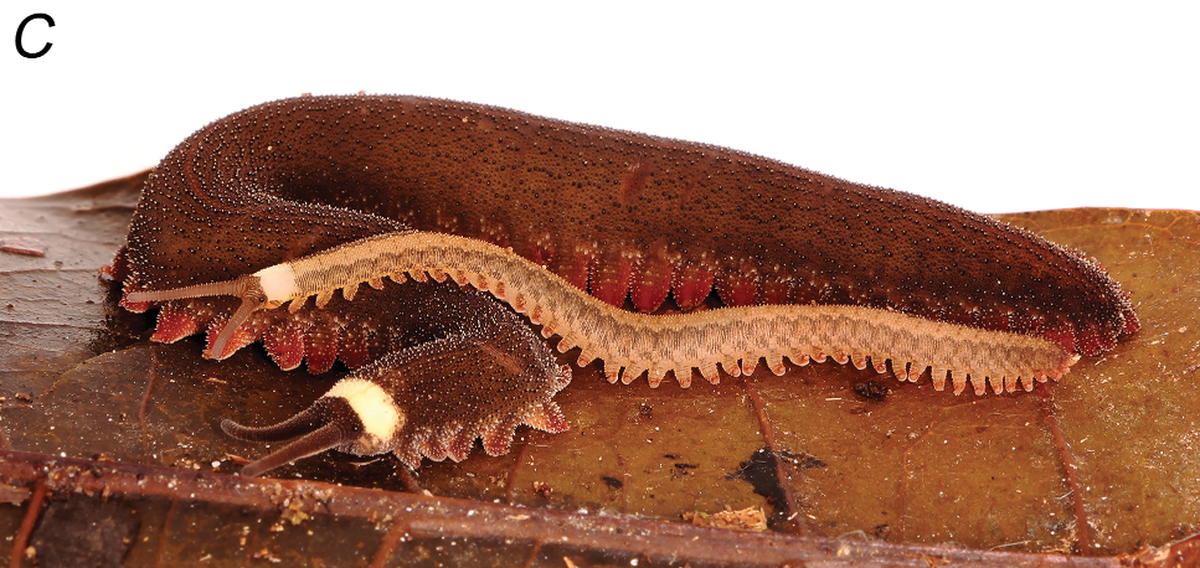
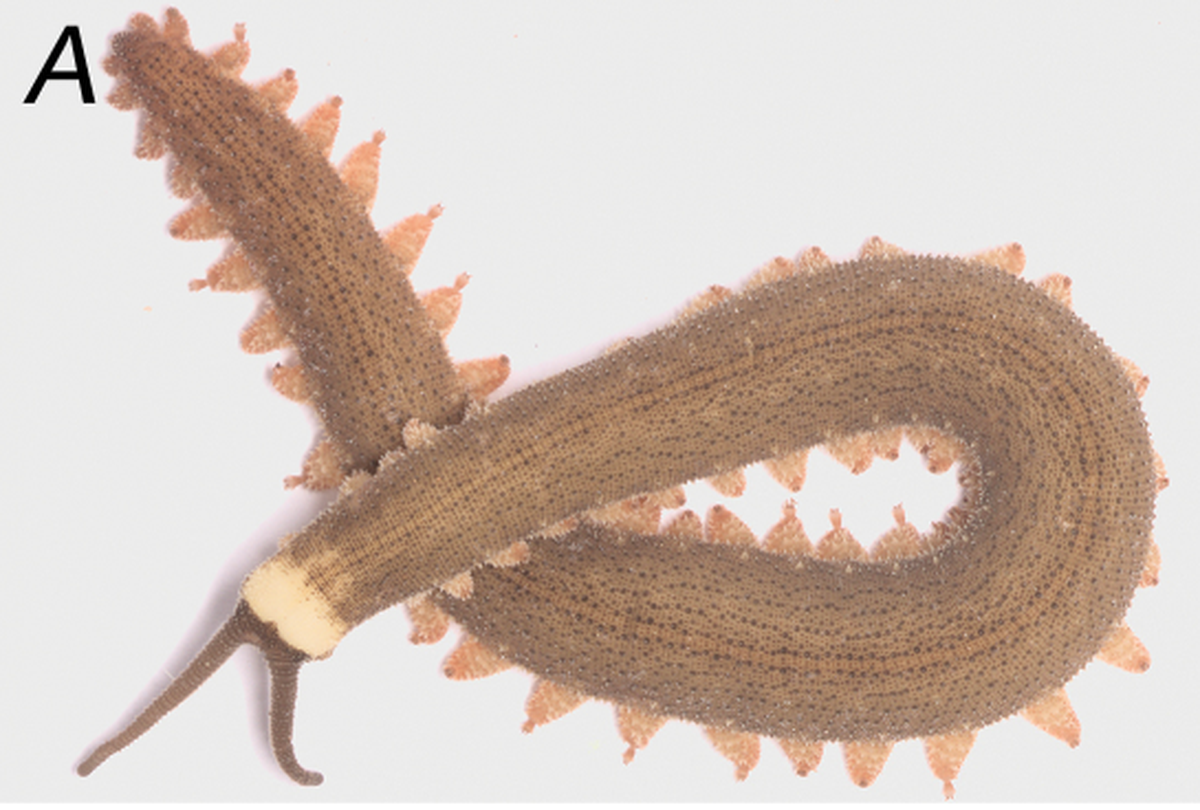
Oroperipatus tiputini, the Tiputini velvet worm, belongs to the onychophorans family, a group of worms known for their soft exterior, according to the study.
Lined with little appendages that help the velvet worms move, they also have a pair of bumps at the back of their bodies that “expel a sticky slime used to immobilize their prey,” researchers said.
Some of the Tiputini velvet worms were brown with “faded rhomboid” patterns, according to the study, while others were brown with “orange diamonds.”
One collected specimen gave birth soon after, researchers said, and its “youngling” was a yellowish color with the diamond pattern, and the baby was constantly surrounded by its mother or riding on her back.
“Most individuals of O. tiputini sp. Nov. have been found in old-growth, closed-canopy Terra Firme forests, on the leaves and stems of small forbs at less than (27 inches) above ground, in leaf litter, and on buttress roots,” according to the study.
There are a few things that stand out about the new species.
First, they don’t have the same number of legs on both sides. For example, one male specimen had 35 legs on its right side and 36 on the left, unique for this species, according to the study.
The species also goes through “ontogenic color changes,” meaning it changes color through different steps of development. The mother velvet worm had a different coloration than her offspring, suggesting the color and pattern changes over time, researchers said.
The worms also have a thick, white band near the top of their head with a “heart-shaped” border in the middle, according to the study.
The 2-inch long female worms are a bit larger than their male counterparts, according to the study, and a few of their organs are visible from the outside.
“This species is the first described from the Amazonian lowlands of Ecuador and the third from western Amazonia,” researchers said. “Most velvet worm species from Ecuador are known only from their type localities, and, in some cases, their taxonomy is unclear and requires further revision.”
Another species of this genus has not been discovered for 70 years, researchers said.
The Tiputini Biodiversity Station is about 170 miles southeast of Quito, Ecuador’s capital.
This story was originally published June 18, 2024 at 7:23 AM with the headline "Forest creature — with ‘velvet’ soft body — discovered in the Amazon. See new species."