3,000-year-old fort — filled with weapons and food stores — found in Egypt. See it
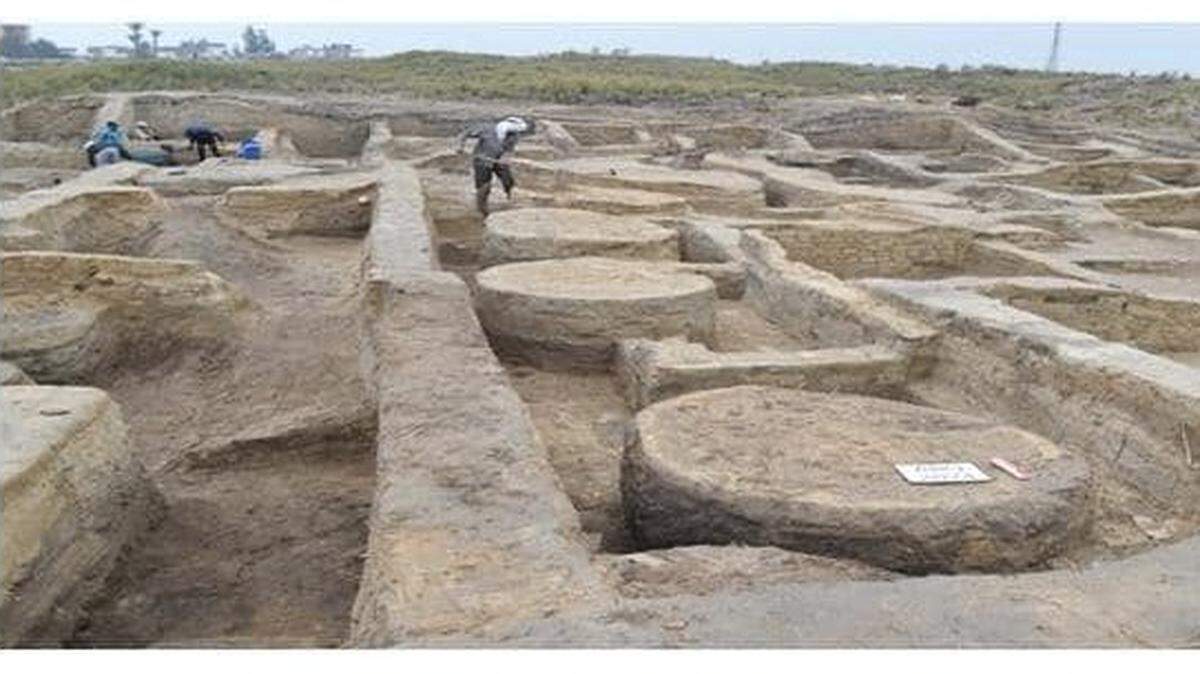
Digging into the tan-brown dirt of northern Egypt, a ruined structure began to reemerge. Food scraps, weapons and personal items dotted the ancient complex — and revealed its purpose.
Archaeologists were excavating part of an archaeological site in Housh Eissa when they unearthed the mudbrick structure, Egypt’s Ministry of Tourism and Antiquities said in a Sept. 5 Facebook post.
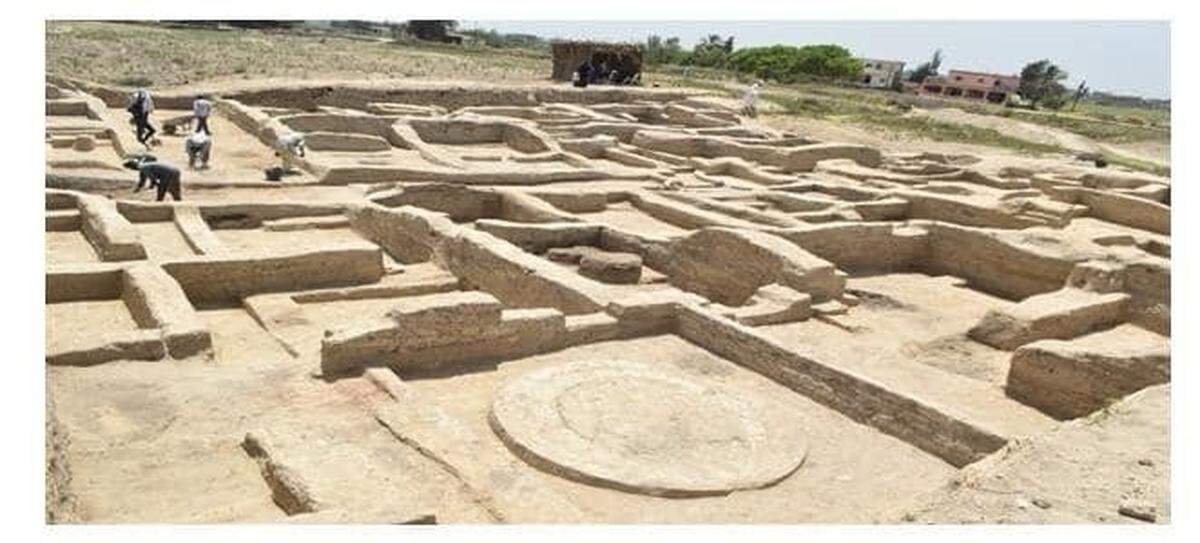
The relatively generic-shaped complex had two identical sections connected by “a narrow passage,” archaeologists said. Throughout both parts, excavations uncovered item after item.
Based on these artifacts, archaeologists identified the ruins as a 3,000-year-old military fort. A photo shows what remains of the complex.
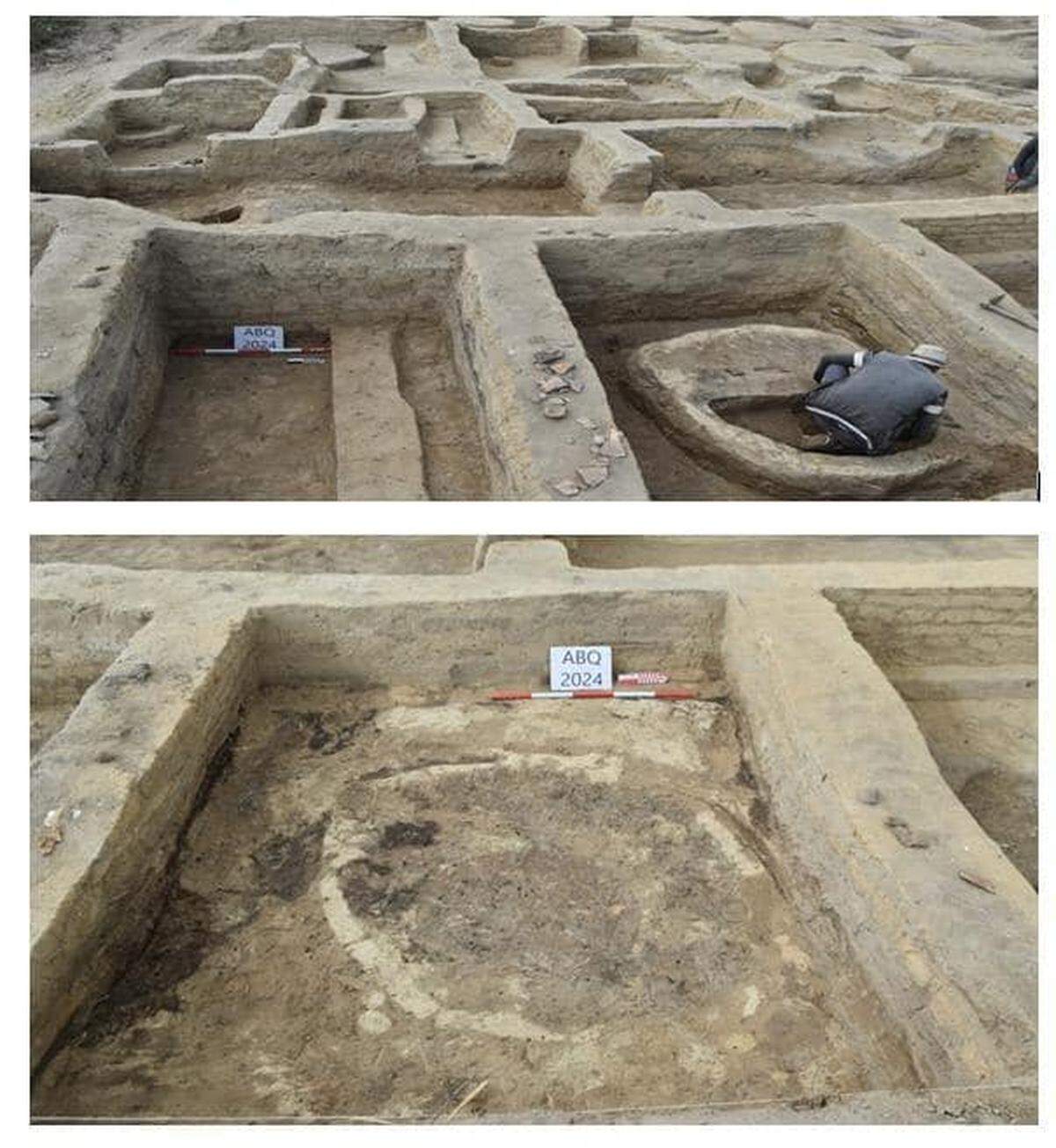
One section of the fort functioned as a storehouse for “weapons, food, and provisions,” archaeologists said. Here, excavations unearthed large granaries and jars still filled with bones from fish and other animals.
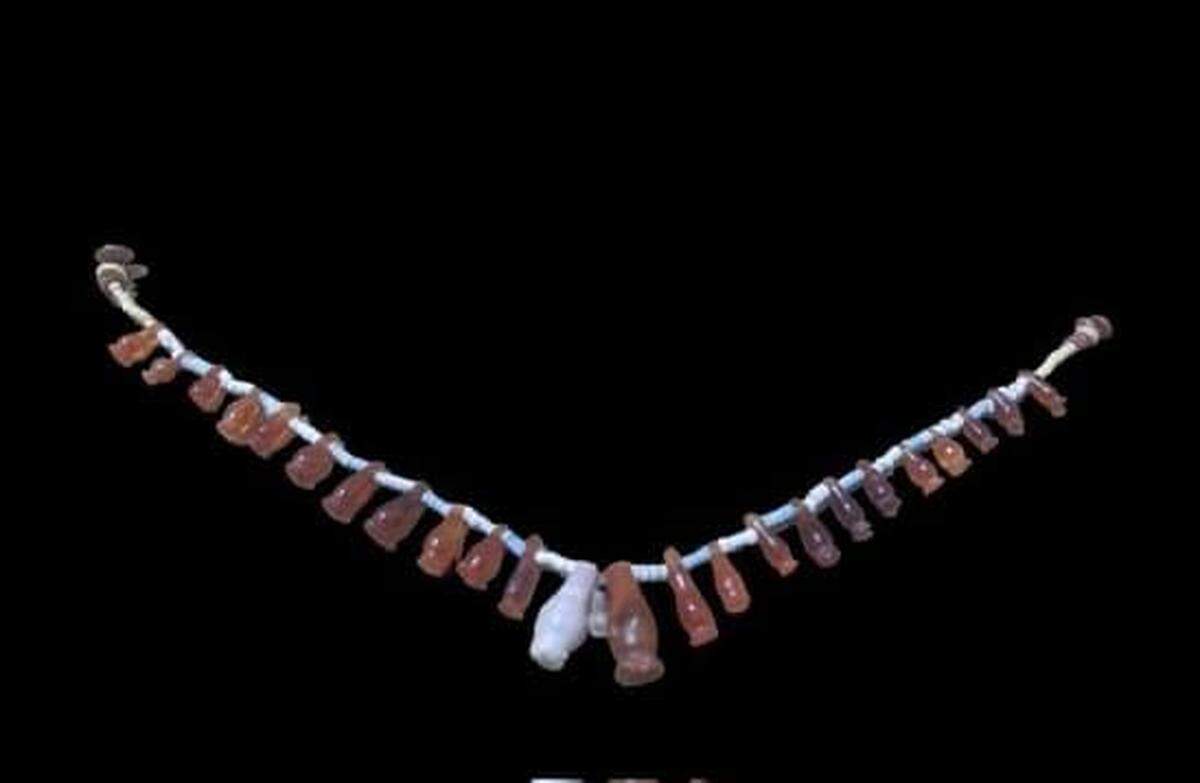
The other section of the fort was used as barracks for soldiers. Here, archaeologists found some personal belongings, such as “protective amulets” and jewelry, as well as hygiene tools, such as kohl makeup applicators.
Photos show a few of these artifacts. One photo shows a necklace made of small red-brown beads.
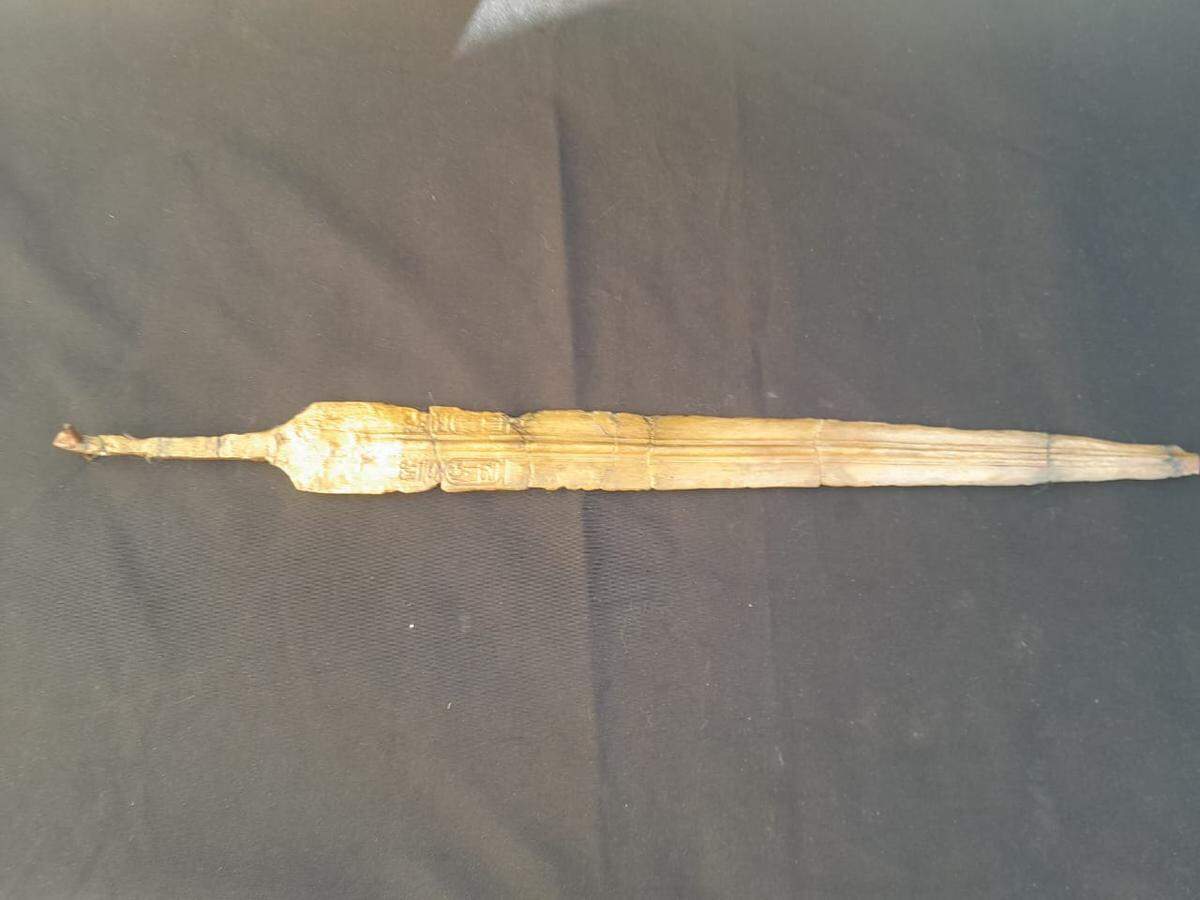
Excavations also uncovered battle weapons and hunting tools. One weapon stood out: a “long bronze sword decorated” with carvings, officials said. A photo shows the broken but still relatively well-preserved sword.
Archaeologists also found the burial of a cow, a symbol of “strength, abundance, and prosperity.”
“This fort served as one of the ancient Egyptian army’s key military outposts along the western military road, protecting Egypt’s northwestern borders from invasions by Libyan tribes and Sea Peoples,” archaeologists said.
The fort ruins dated to Egypt’s New Kingdom era, officials said. This period lasted from about 1570 to 1070 B.C. and has become the “most popular era” with “the best known pharaohs,” according to an article from World History Encyclopedia.
Housh Eissa district is near Alexandria in northern Egypt and a roughly 100-mile drive northwest from Cairo.
This story was originally published September 5, 2024 at 9:34 AM with the headline "3,000-year-old fort — filled with weapons and food stores — found in Egypt. See it."