
Centuries-old gallows — with skeletons of the people executed — unearthed in Germany
From the guillotines of France to the witch trials of Massachusetts, public executions have been part of the darker side of history for centuries.
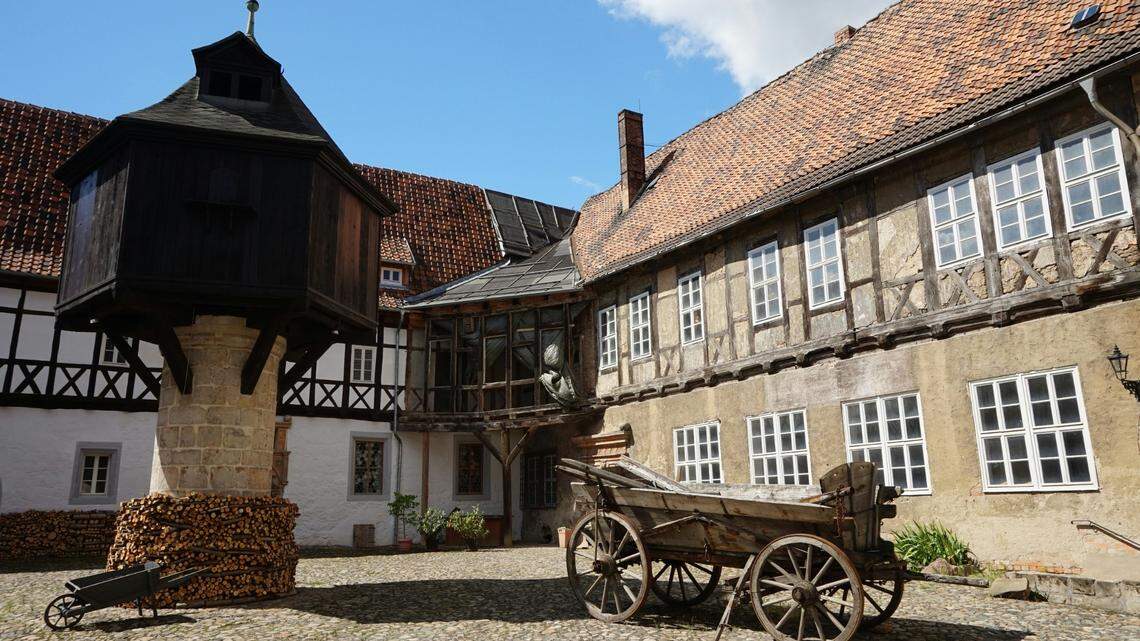
Outside of Quedlinburg, Germany, these executions occurred at the Galgenberg — gallows hill.
Starting in 1662, the gallows were used for nearly 150 years, according to a Sep. 5 news release from the State Office for Monument Preservation and Archaeology of Saxony-Anhalt.
Now, the remains of the gallows’ victims are being excavated, including some mysterious burials.
Researchers began working at the site two years ago, archaeologists said, and have since found two bone pits, a wooden coffin and the grave of a revenant.
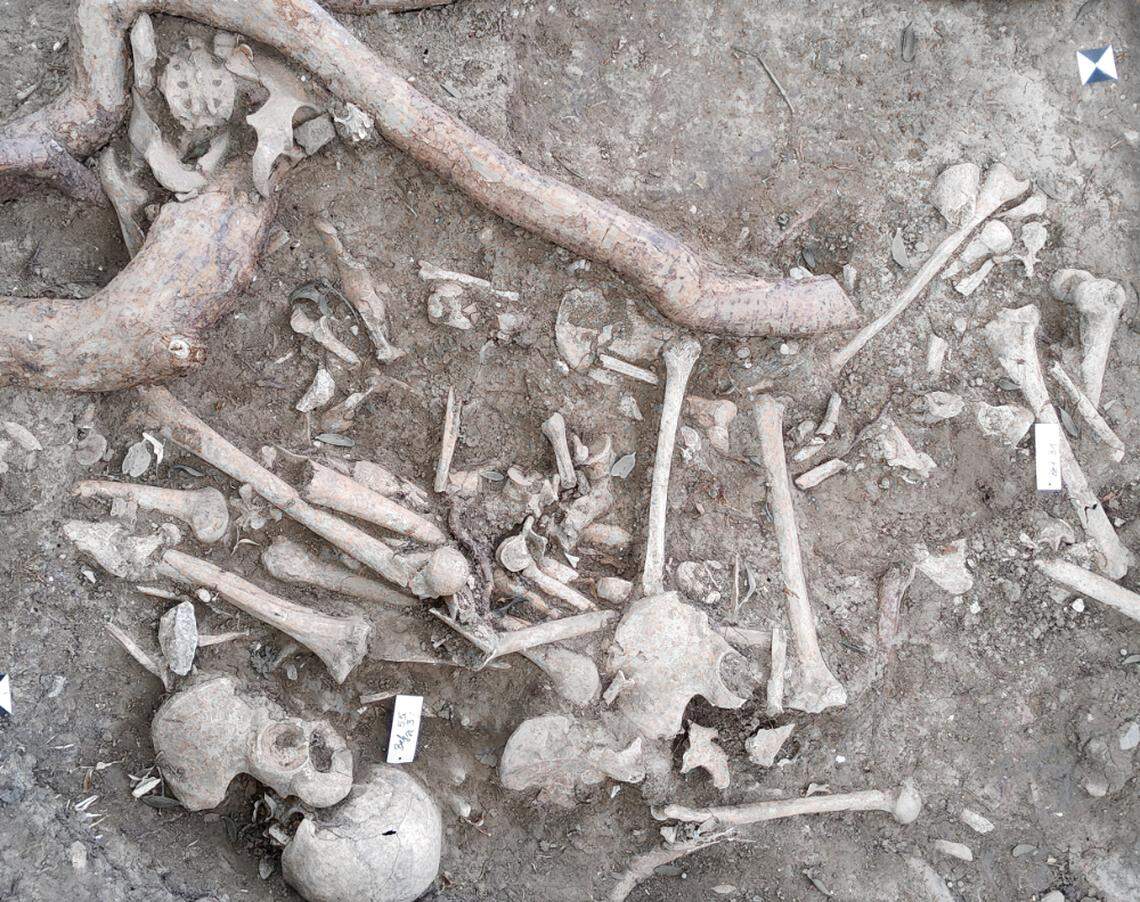
The bone pits were filled with disarticulated remains, archaeologists said, from those who were either hanged or killed on what was known as a breaking wheel.
A person was placed on the wheel and all of their bones were systematically broken, according to History Defined. The person’s limbs were then intertwined with the wheel spokes and they were left to die.
Researchers said at this site, the bodies parts were then buried in their anatomically correct formation in the pits, suggesting that the graves were dug and filled by an executioner and his journeymen as they were cleaning up the bodies of many executed at one time.
The bodies were stacked on top of one another, archaeologists said, and items like clothing, buttons and buckles were found among the bones.
But there were also burials that didn’t align with a mass execution.
One grave had a man who had been buried with large boulders on his chest, archaeologists said.
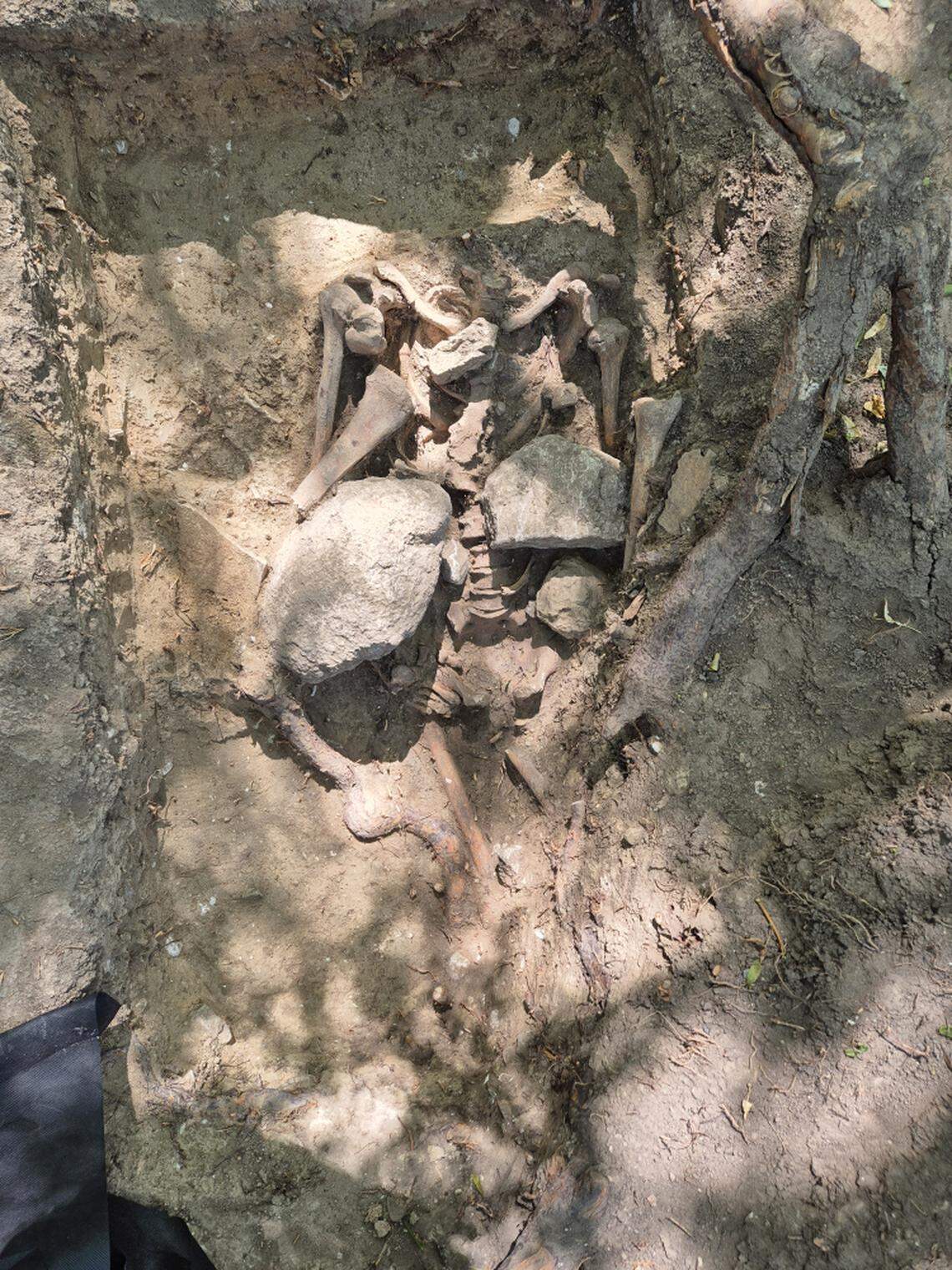
The stones were placed on the body in what is called a revenant grave, archaeologists said. The boulders would have weighed the man down and bound him to the grave, preventing his return, out of fear he would come back to life.
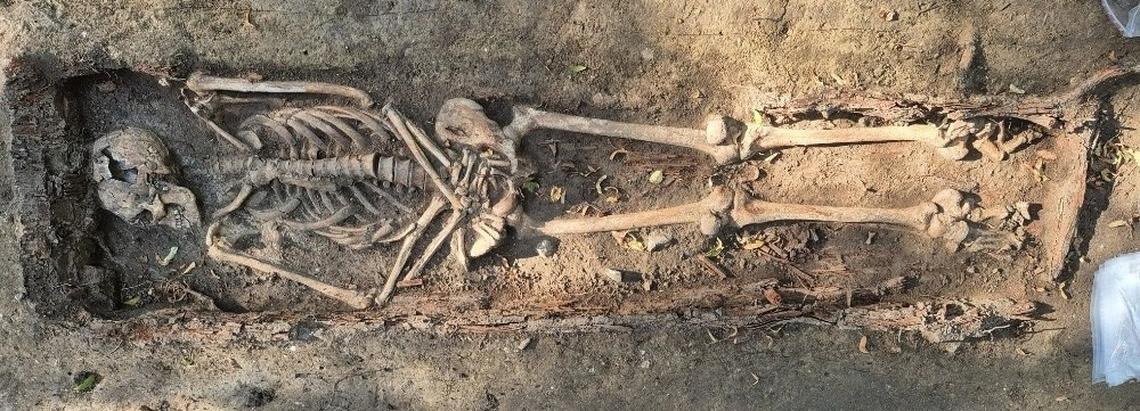
In another odd find, an extremely well-preserved wooden coffin was also found at the gallows hill site, according to the release.
The coffin held a skeleton lying on its back with its hands folded over the stomach, and a rosary chain was found with the bones, archaeologists said.
Finding a coffin at an execution site is very rare, so researchers believe the person likely died by suicide and was denied burial at a regular cemetery, so was instead buried here.
The gallows site was abandoned in 1809, archaeologists said, but it gives insight into the penal practices in the area beginning in the Middle Ages and spanning until the early modern period.
Excavations at the site will continue, according to the state office.
The site is outside Quedlinburg, in north-central Germany.
Google Translate was used to translate the news release from the State Office for Monument Preservation and Archaeology of Saxony-Anhalt.
This story was originally published September 9, 2024 at 1:32 PM with the headline "Centuries-old gallows — with skeletons of the people executed — unearthed in Germany."
