Rare forest creatures appear on trail cameras in Vietnam nature reserve. Take a look
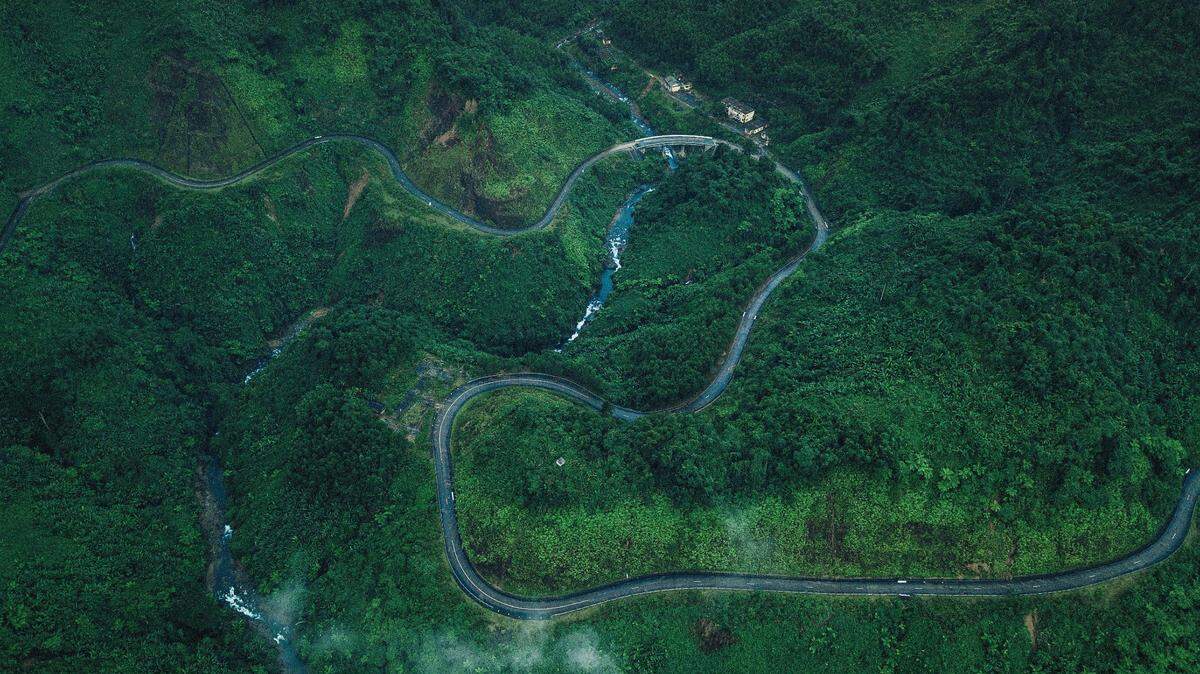
When scientists need to survey more than 66,000 acres of forest, it’s impossible to scour the landscape on foot.
Instead, they turn to something used by wildlife aficionados and hunters alike — trail cameras.
Researchers in the Xuan Lien Nature Reserve in Vietnam leaned on the widely used technology during a project to catalog animal diversity in the northern Annamites, a mountain range along the border of Vietnam and Laos.
The reserve creates a contiguous 284,000 acres of protected land with neighboring Pu Hoat Nature Reserve, according to a study published Oct. 17 in the peer-reviewed Biodiversity Data Journal.
The aim of the project was to provide baseline data about the species that call the reserve home to “support future conservation initiatives and evaluate the effectiveness of protection activities in the area,” researchers said.
What they may not have expected are a few rare species that made an appearance in their photographs.
Researchers placed 70 cameras in 35 different locations in a grid pattern across the reserve, according to the study, and the cameras took images from February to June 2023.
The southeastern portion of the reserve wasn’t included in the study because of an ongoing hydropower plant project, researchers said.
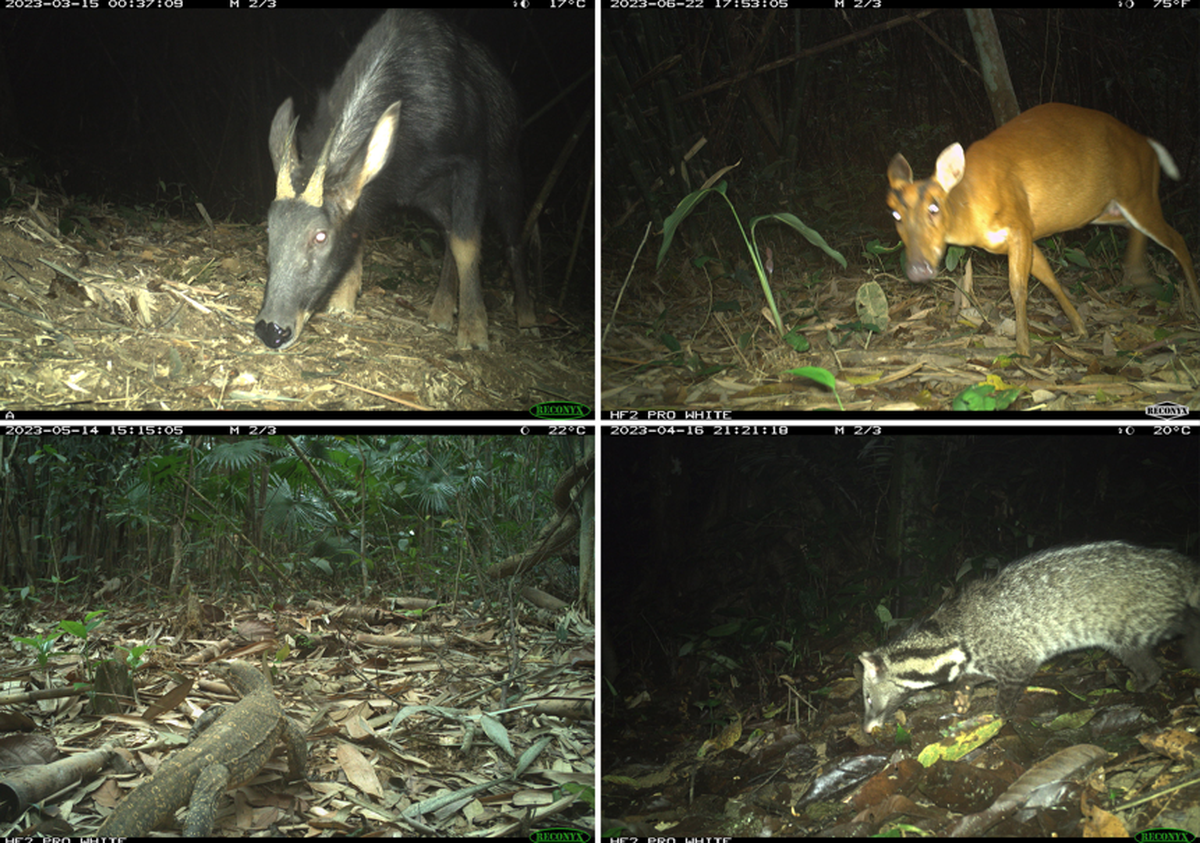
The cameras were triggered by motion at a “high sensitivity” and took “rapid-fire” photos that produced three images for each camera trigger, researchers said.
Over a roughly three-month period (an average of 92.2 days, give or take about 2 days), the cameras captured more than 1,000 animals, according to the study.
“A total of 1,002 independent records of at least 46 species, including 21 mammals, 24 birds and one reptile, were documented in our survey,” researchers said.
The animals spotted
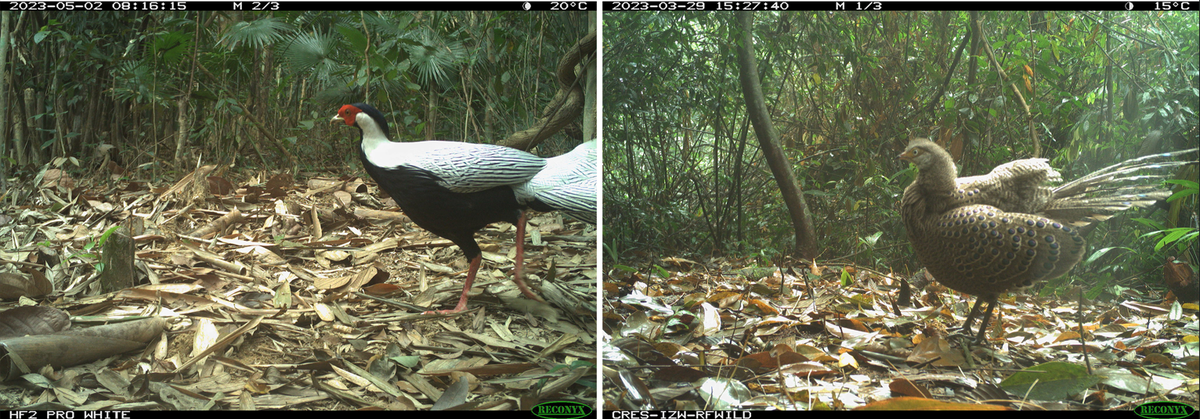
The largest group of animals were part of the Phasianidae family, a group of birds that include animals like pheasants, quails, chicken and turkeys.
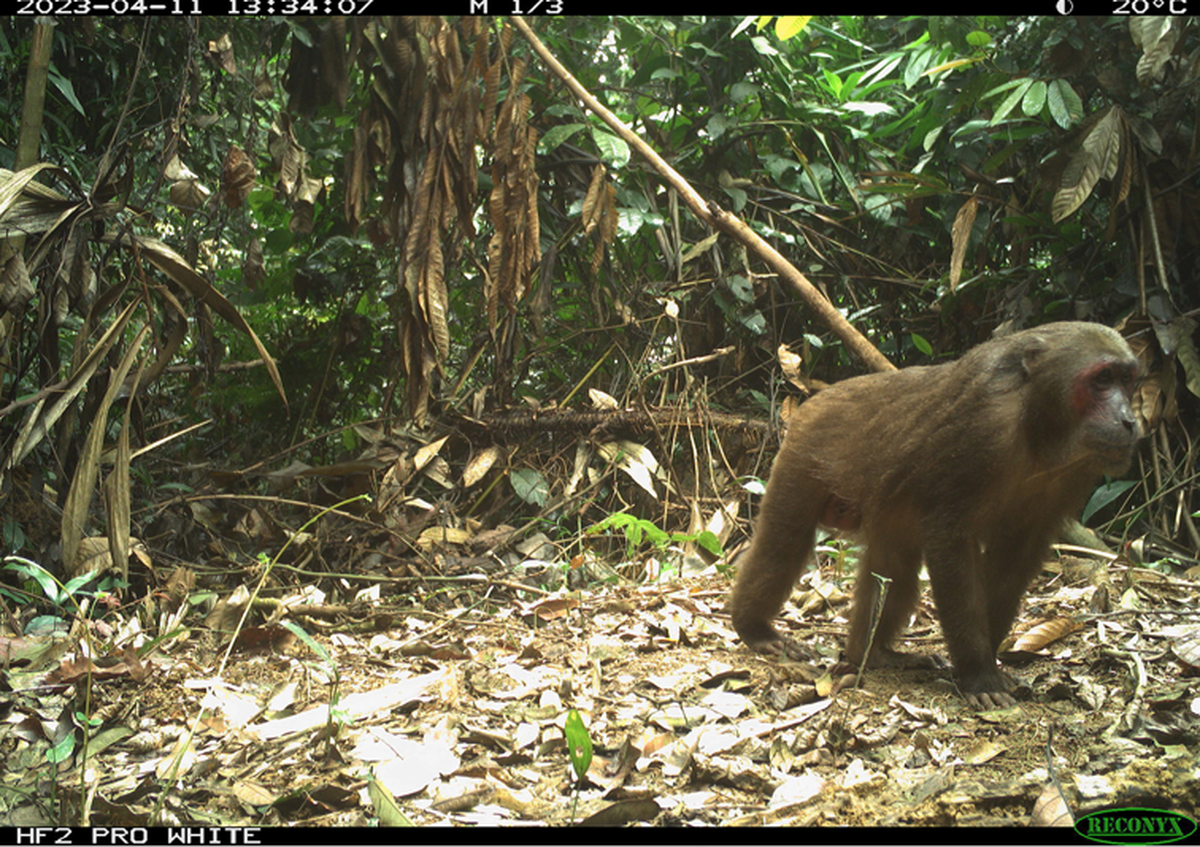
Three species of macaque monkeys also crossed in front of the cameras, researchers said.
The Assamese macaque and rhesus macaque are considered common species, according to the study.
But their relative, the stump-tailed macaque, is a rare and vulnerable species, researchers said.
Stump-tailed macaque populations are declining in Myanmar and Vietnam and have reached endangered status in Thailand, according to the International Union for Conservation of Nature Red List. The species was recorded in Bangladesh as recently as 1989, but is not considered extinct in that country.
“The species with the highest occurrence records were the ferret badger, the yellow-throated marten and the Asian palm civet,” researchers said.
They also spotted a northern red muntjac, a large Indian civet, a gray peacock-pheasant, a silver pheasant, an Asian water monitor and a Chinese serow, according to the study.
Muntjacs are a species of small deer; civets are nocturnal mammals similar to raccoons; monitors are species of lizards; serow are a type of goat-like mammal; and the other species are birds.
The rarest find
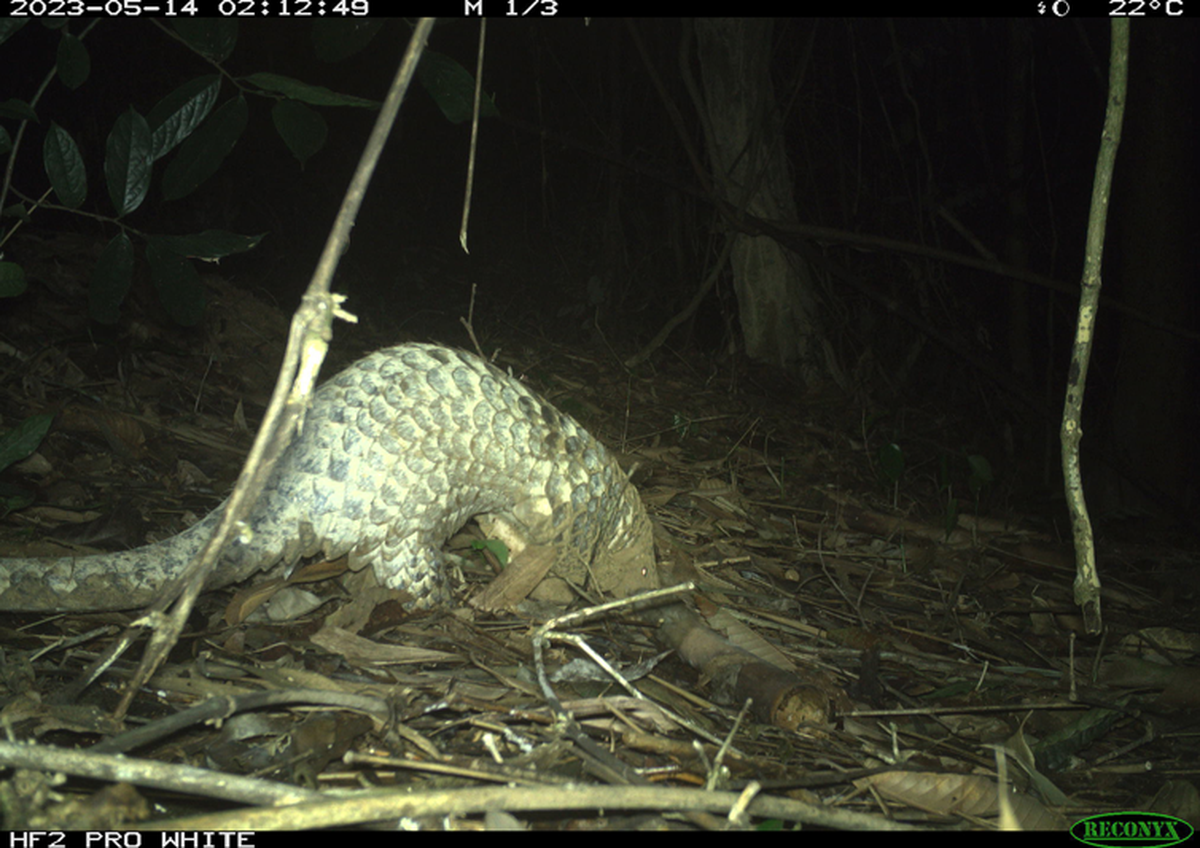
The rarest animal found living in the reserve was the Sunda pangolin, a critically endangered species with “high conservation value,” researchers said.
Previous camera trap studies have struggled to get images of the rare species, according to the International Union for Conservation of Nature, in one case only appearing in 11 images over the course of 22,000 nights in Cambodia.
The pangolin was the most unexpected species, but was confirmed by multiple pangolin experts, according to the study.
“During our survey, we documented several signs of ongoing human disturbances inside the reserve, including four illegal logger camps, small mammal traps and snare lines. Some of those activities were spotted deep inside the reserve and interviews with local people revealed that exploitation of forest products, while illegal, still happened occasionally,” researchers said.
They hypothesize that the road system established for the construction of the hydroelectric dam may be providing easy avenues into the reserve.
The research team includes Thanh Van Nguyen, Anh The Luu, Hung Viet Pham, Ha Manh Nguyen, Tam Anh Pham, Mai Thi Nguyen, Minh Duc Le and Anh Tuan Nguyen.
This story was originally published October 22, 2024 at 2:46 PM with the headline "Rare forest creatures appear on trail cameras in Vietnam nature reserve. Take a look."