
Man thrown from castle into well during siege in Norway identified 800 years later
In cultures around the world, stories of great battles and powerful people are passed down from generation to generation.
Stories can change from fact to fantasy as each new group passes them along unless written records keep the stories’ original texts.
The early history of Norway can be traced back to just a few texts, the Old Norse sagas, which describe the beginnings of Norwegian kings from the medieval era.
One text from the collection is called Sverris Saga and tells the history of king Sverre Sigurdsson who lived from 1151 to 1202 and made a massive grab for power during the 12th century, according to a study published Oct. 25 in the peer-reviewed journal iScience.
Now, that text has helped scientists identify the body of a man found in a castle well — roughly 830 years after his death.
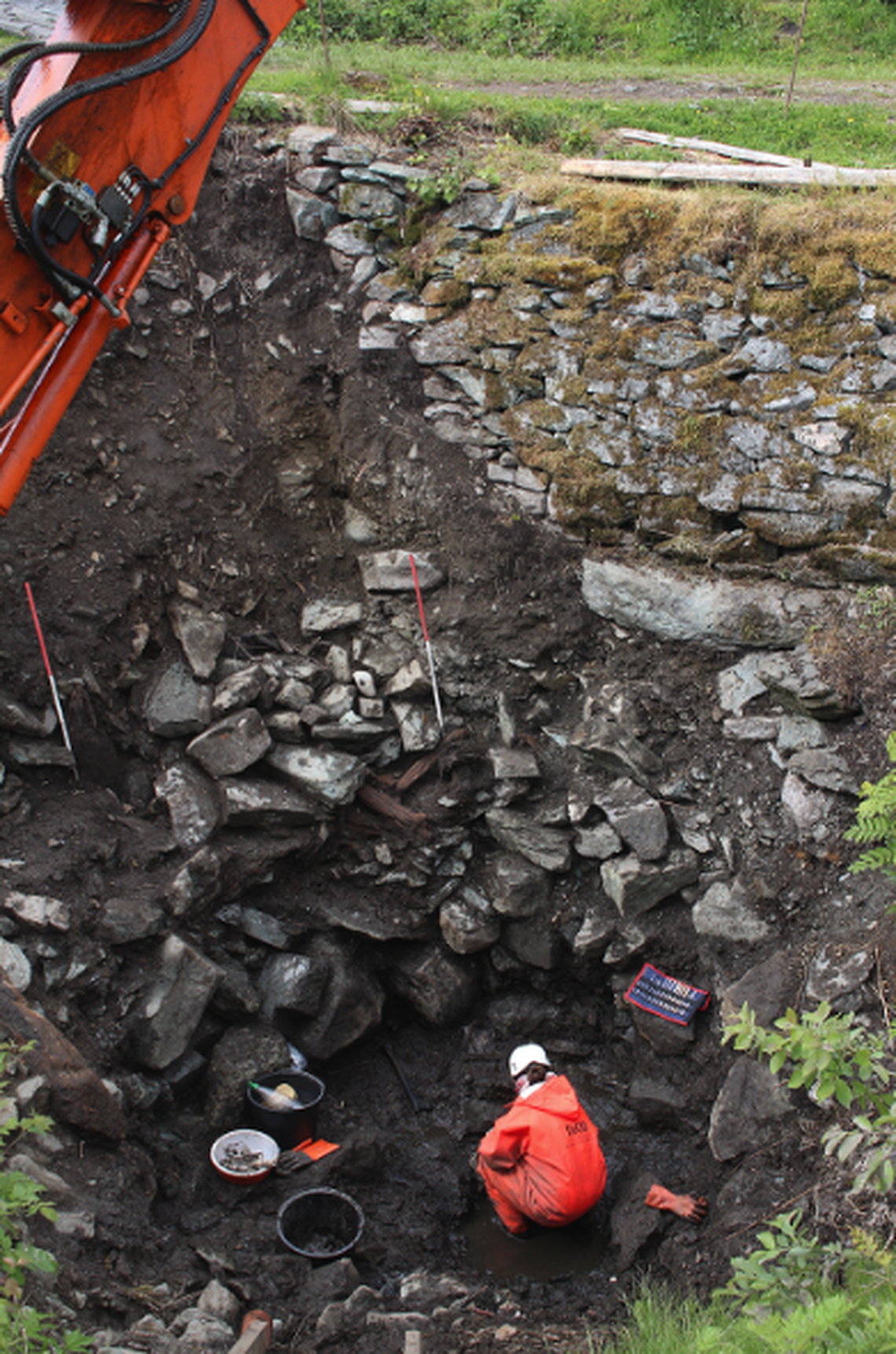
Historical excavations at Sverresborg Castle in present-day Trondheim, Norway, first began in 1938 when archaeologists discovered human remains covered with large stones at the bottom of the castle’s well, according to the study.
“A photograph from the 1938 excavation shows the torso belonging to a human skeleton leaning slightly on its left side,” researchers said.
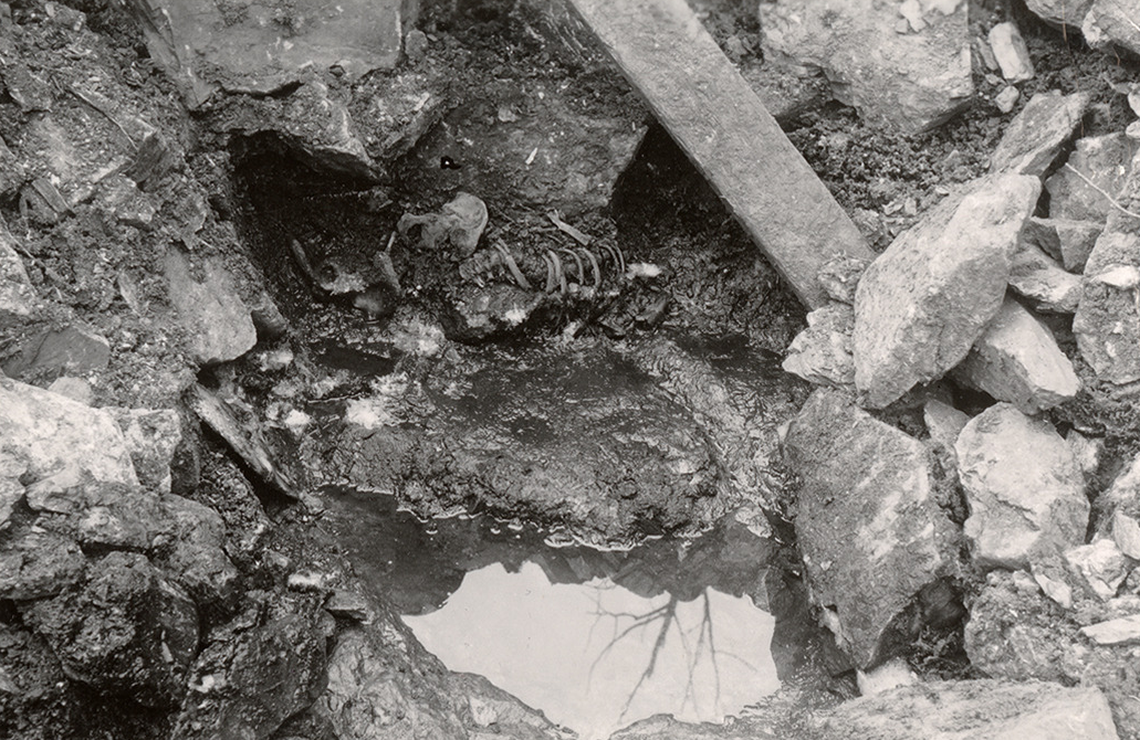
At the time, radiocarbon dating and gene-sequencing had not yet been developed, so archaeologists had to rely solely on their physical observations, and little was known about the body, according to an Oct. 25 news release from Cell Press, the publisher of the journal iScience.
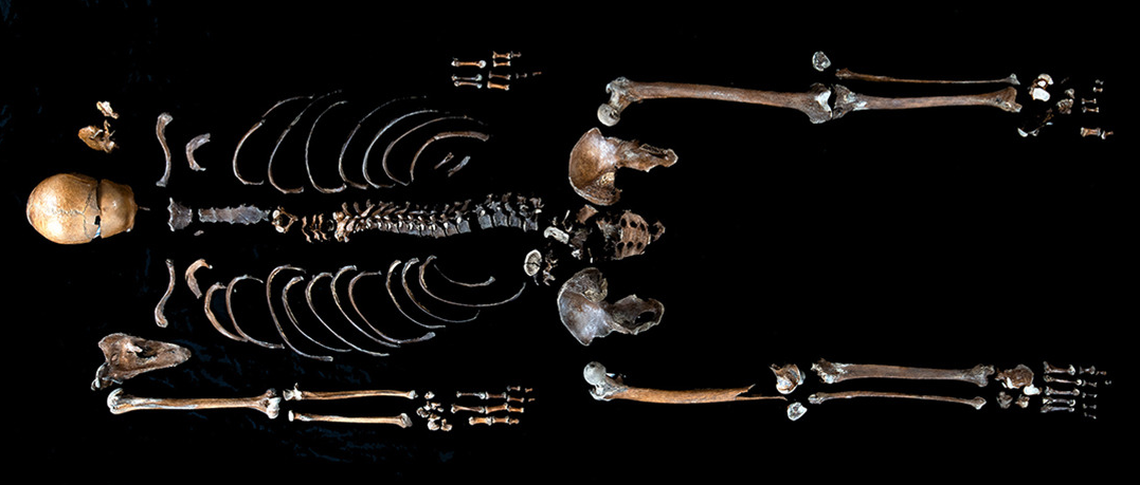
Another round of excavations at the castle discovered the skeleton’s left arm was missing, but finger bones from the left hand were found nearby, according to the study. Researchers also found the skull.
Analysis at the time found the body belonged to a man between the ages of 30 and 40, and determined his radiocarbon age to be about 940 years, give or take 30 years, according to the study. Radiocarbon years do not align perfectly with calendar years, meaning the man’s body was about 870 years old, based on the time of the siege and his estimated age.
The body showed lots of signs of trauma, including “two sharp force cuts in the skull” that appear to have been inflicted before death, researchers said.
There were two questions that couldn’t be answered by scientific analysis of the bones: Who was this man? And, how did he end up at the bottom of the castle’s well?
So, researchers turned to the medieval lore.
In one section of the Sverris Saga, which describes a century of political turmoil as civil wars raged across Norway, the author describes a siege carried out at Sverresborg Castle in 1197, according to the study.
The text was likely written by an Icelandic scholar, Cell Press said, and it surrounds the king Sverre and his grab for power. It was likely commissioned by the king himself.
During the siege, the Bagler army — representatives from the Roman Catholic Church named after the Norse word bagall, meaning “bishop wand” — organized a sneak attack on Sverre’s Birkebeiner army. The army got the name Birkebeiner, meaning “birch legs,” because the men used birch bark on their legs and footwear.
“The Bagler army entered the castle through a secret door while the residents were dining. They plundered and raided the castle, burning every house inside, sparing the residents only the clothes they were wearing,” according to the study. “Crucially for this study, they threw a dead man’s body down the local drinking well inside the castle, subsequently filling it with boulders.”
Researchers believe the attackers may have thrown the body into the well as an attempt to poison the water source for the residents, Cell Press said.
Hoping to learn more about the identity of “Well-man,” researchers used teeth from his skull and created a genomic profile for the man, according to the study.
They found that he likely had blue eyes and blonde or light brown hair, Cell Press said, and his genetics matched those living in southern Norway.
“The defeated holders of the castle were King Sverre’s Birkenbeiners, who are thought to have been mainly from central Norway. Conversely, it is the Baglers, the invading victors from the south of Norway, who are described as having thrown a man into the well,” researchers said.
Previous reports assumed that the man must have been on the losing side, but the new analysis suggests he may have been one of the attackers who was used by his own army as a pawn in “biological warfare,” according to the study.
“While the intent of the Baglers is not known for certain, the Sverris Saga text indicates that they aimed to render the castle undefendable and uninhabitable for King Sverre and his followers,” researchers said.
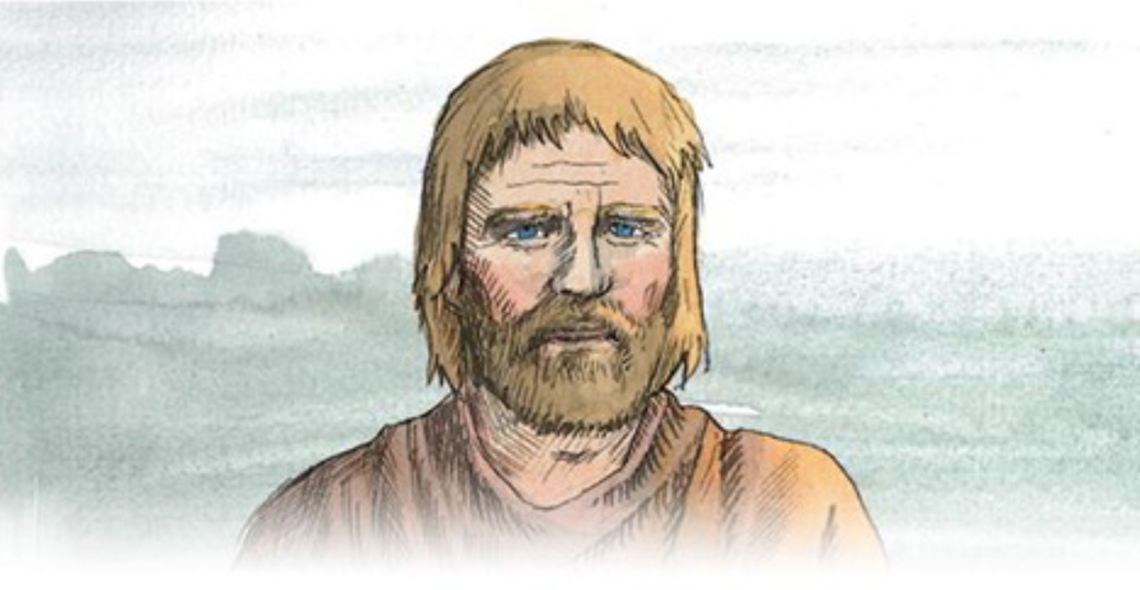
“This is the first time that a person described in these historical texts has actually been found,” study author Michael Martin told Cell Press. “There are a lot of these medieval and ancient remains all around Europe, and they’re increasingly being studied using genomic methods.”
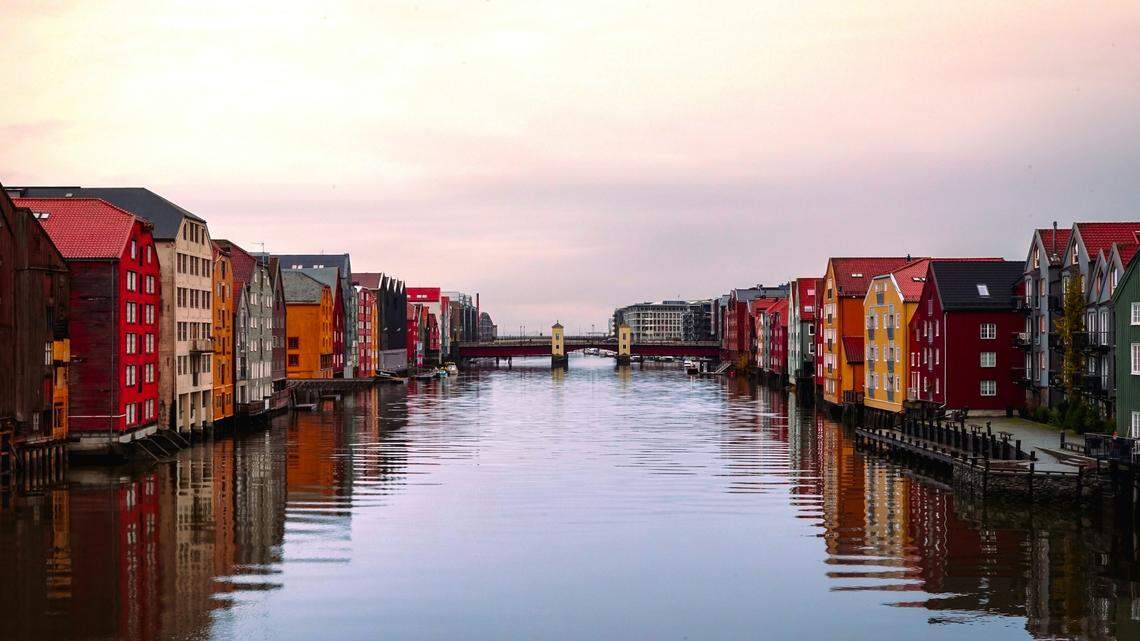
The castle site is in Trondheim, a city on the coast of central Norway along the Norwegian Sea.
The research team includes Martin, Martin R. Ellegaard, S. Sunna Ebenesersdóttir, Kristjan H.S. Moore, Anna Petersén, Åshild J. Vågene, Vanessa C. Bieker, Sean D. Denham, Gianpiero L. Cavalleri, Edmund Gilbert, Thomas Werge, Thomas F. Hansen, Ingrid Kockum, Lars Alfredsson, Tomas Olsson, Eivind Hovig, M. Thomas P. Gilbert, Kári Stefánsson, Hans K. Stenøien and Agnar Helgason.
This story was originally published October 28, 2024 at 3:14 PM with the headline "Man thrown from castle into well during siege in Norway identified 800 years later."
