Centuries-old mass grave of children found in Mexico. They were sacrificed to rain god
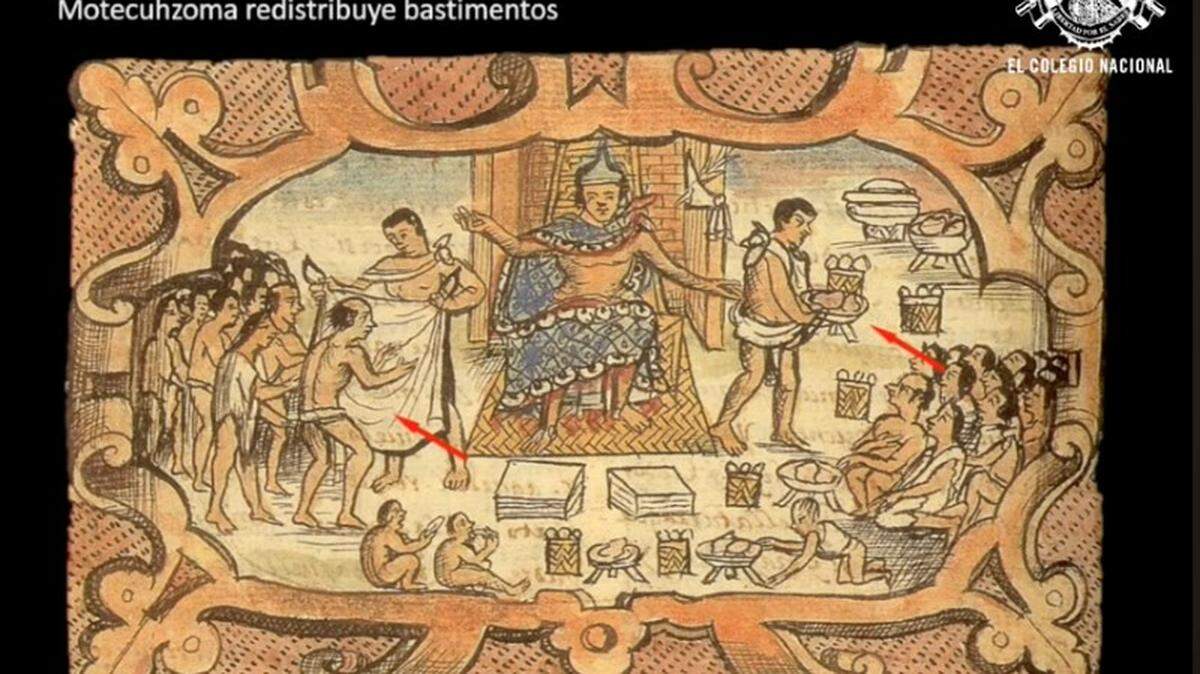
When cultures were still developing irrigation systems and large-scale agriculture, rain was essential for their survival.
What happens when the rain stops?
For the Aztec community in the Basin of Mexico in the mid-15th century, a two-year drought drove them to seek help from the supernatural — and to sacrifice their children.
In 1978, workers for a light and power company stumbled upon a sculpture of Coyolxauhqui, an Aztec-era goddess, at the Templo Mayor, or the Great Temple, according to a Nov. 11 news release from the National Institute of Anthropology and History.
Between 1980 and 1981, researchers with the Templo Mayor Project excavated the area, and discovered a mass grave.
There were 42 bodies inside, all belonging to children, archaeologists said. The children included 22 boys between the ages of 2 and 7 buried in layers.
Some of the children had signs of porotic hyperostosis, a bone condition that is caused by malnutrition, and the bodies were arranged in a box made of stones, researchers said.
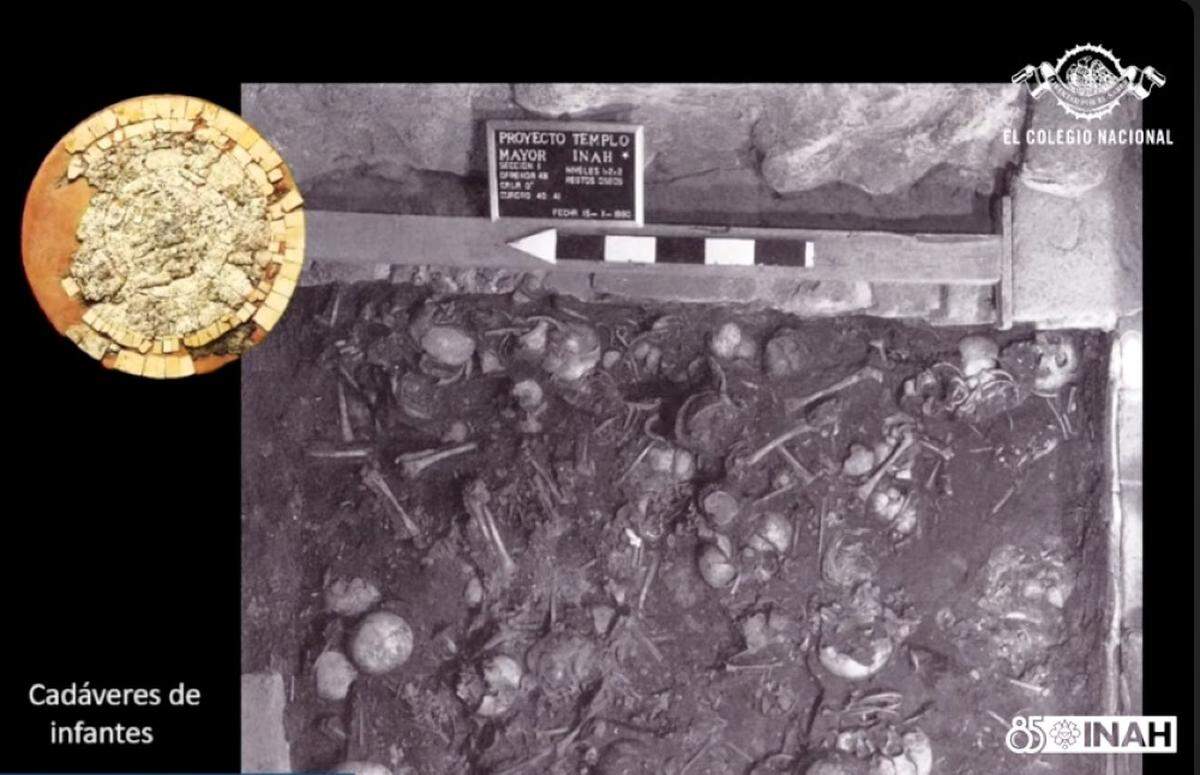
The box was on top of a layer of sea sand and some of the bodies were decorated with necklaces and had a green stone bead placed in their mouths, according to the release. In an upper layer of bodies, the officiants of the burial sprinkled blue pigment and then placed gourds, ocean materials, small birds, obsidian blades and stone sculptures.
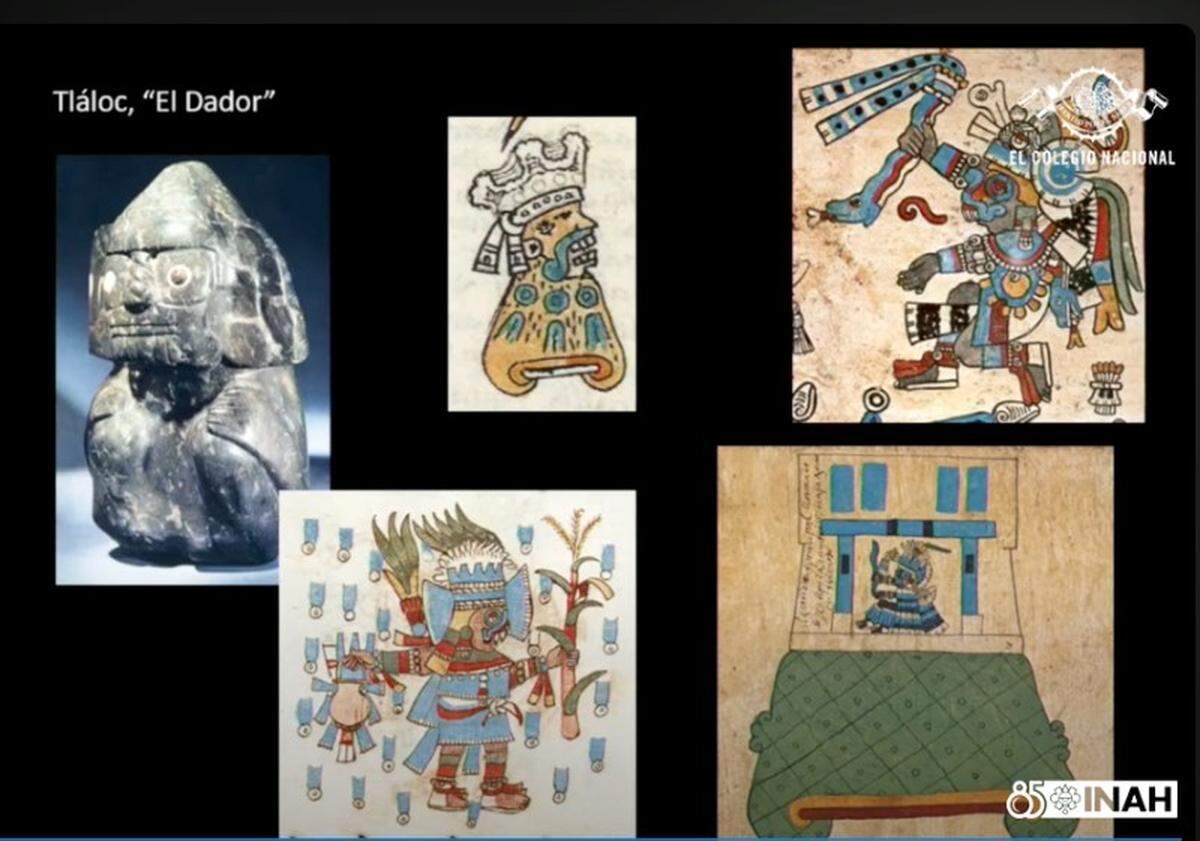
The sculptures imitated the face of Tlaloc, the Mexica god of rain, archaeologists said.
Now, analysis of the bones and the surrounding geology dates the burial of the bodies to between 1452 and 1454 when the region was being ravaged by drought, according to the release.
Study of the hydraulic systems beginning to develop in pre-Hispanic times showed efforts to mitigate drying lakes, researchers said. Half of the months that made up the agricultural calendar, therefore, were accompanied by ceremonies and rituals meant to bring rain to the basin.
Part of these rituals were to sacrifice children who were personifications of tlaloques, or helpers to the god Tlaloc as the god distributed rain across the Earth. Tlaloques carried large containers of water that were then broken with sticks and poured over the Earth, creating the sounds of thunderstorms and lightning, experts say.
Archaeologists believe the children were likely sacrificed to be used by Tlaloc to bring rain and end the devastating drought.
Agricultural patterns showed droughts that took hold in early summer would have impacted the germination and growth of plants that were then hit by autumn frosts, killing food sources like corn before they could fully ripen. If this happened over the course of years, the harvests were destroyed and people were faced by both drought and famine, according to the release.
The mass execution of children was seen as not only a way to calm the rain god, but for a time it helped the community deal with the tragedy of being unable to feed their kids, archaeologists said. This period of time ultimately left the entire state vulnerable and in the following years there was a mass exodus from the basin.
Templo Mayor is in south-central Mexico, outside Tlalnepantla de Baz.
Google Translate was used to translate the news release from the Mexico National Institute of Anthropology and History.
This story was originally published November 12, 2024 at 1:41 PM with the headline "Centuries-old mass grave of children found in Mexico. They were sacrificed to rain god."