‘Shadow’ passing by deep-sea camera turns out to be rarely seen predator. Take a look
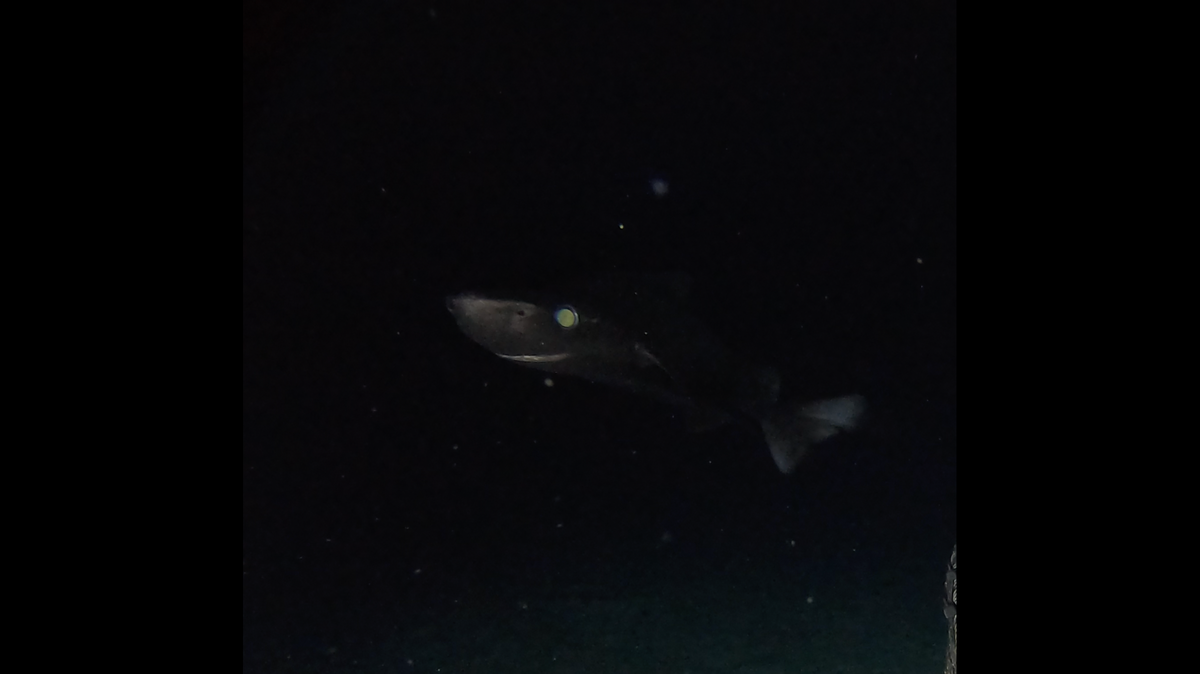
Scientists dropped an underwater camera into the ocean depths off a Caribbean island and waited. Watching the video feed, they saw a “shadow” pass by — and recorded a rarely seen deep-sea predator.
Researchers in the Cayman Islands decided to undertake the territory’s “first systematic investigation” of its deep-sea biodiversity. Studying life in the ocean’s depths has always been difficult, but the team hoped their “custom” underwater camera would change that, according to a study published Nov. 28 in the peer-reviewed Journal of Fish Biology.
The camera system, known as a dBRUV, had “a bait cage mounted on a pole in front of the camera,” the study said. Researchers filled the cage with sardines and dropped it into the ocean to record for hours on end.
During one survey in August 2023, researchers saw a “shadow” swimming “just beyond the (camera’s) detection window” before approaching the bait. Photos show the “cryptic” ocean predator seen about 3,500 feet down.
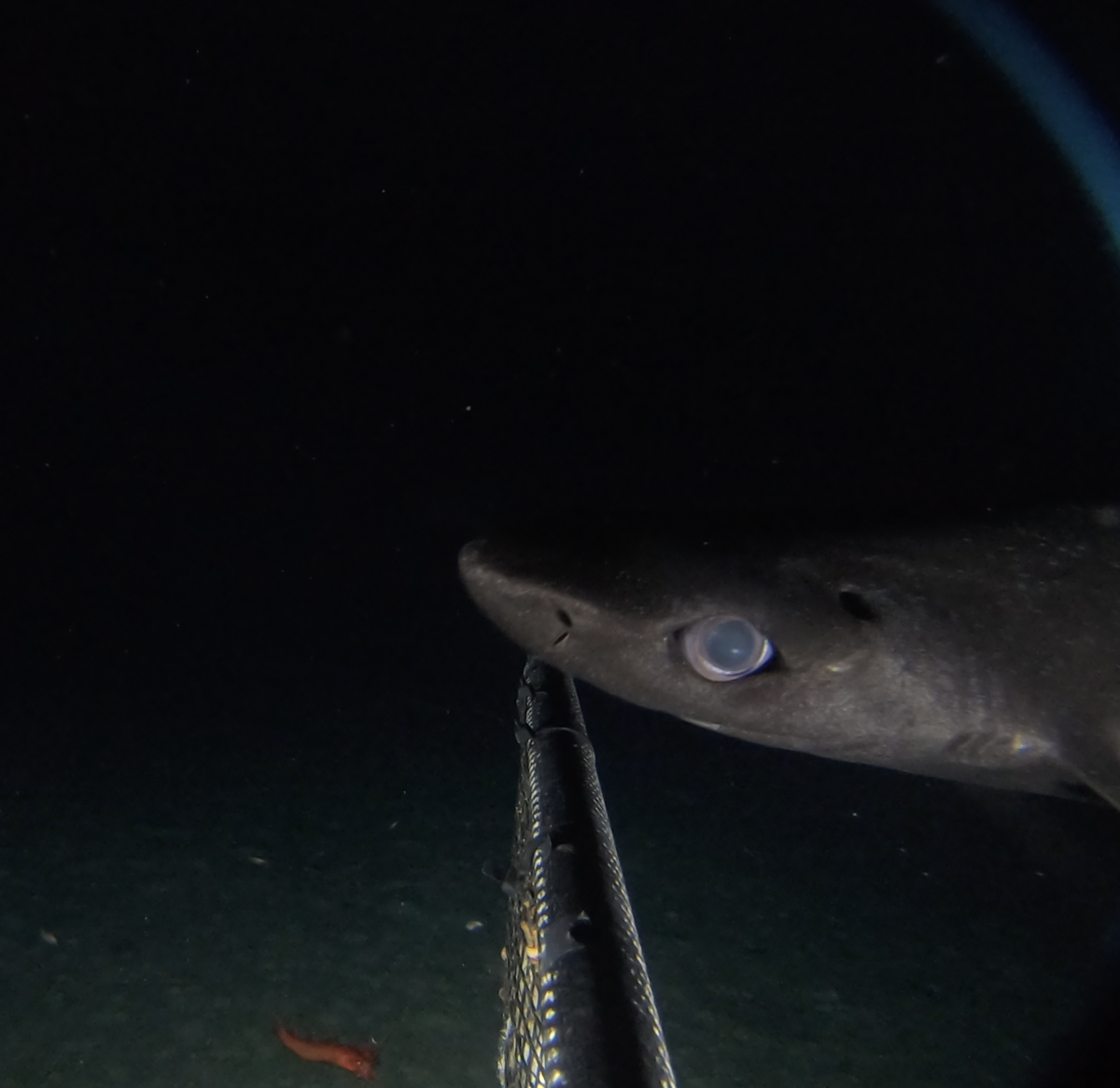
Researchers identified the shadowy animal as a roughskin dogfish, a rarely seen deep-sea shark species scientifically known as Centroscymnus owstonii, the study said.
The first roughskin dogfish shark swam away but two more soon appeared. Researchers suspected “there were more” sharks nearby but weren’t able to confirm.
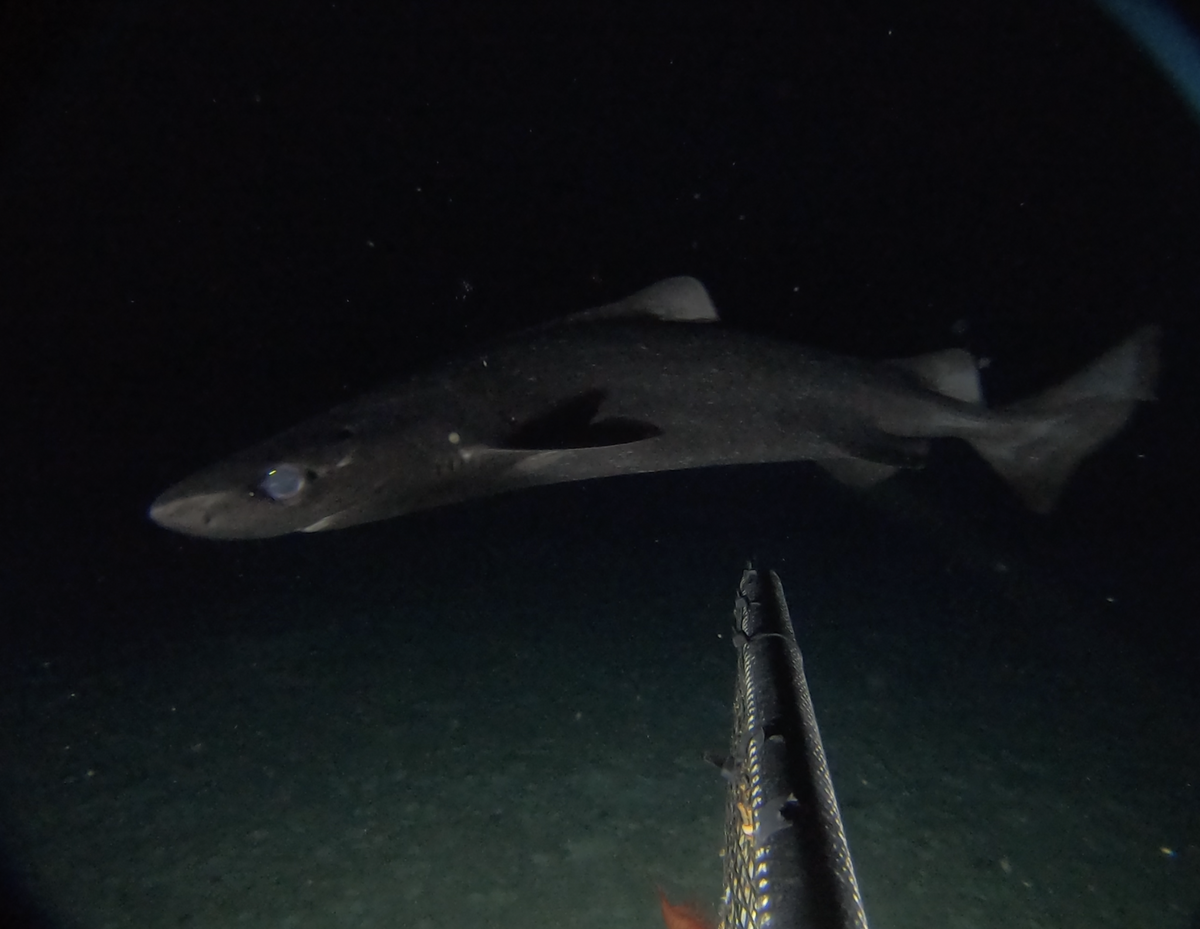
In total, the underwater camera filmed almost 11 minutes of roughskin dogfish activity, the study said. Researchers don’t know how many sharks were filmed, but the animals swam past the camera 54 times.
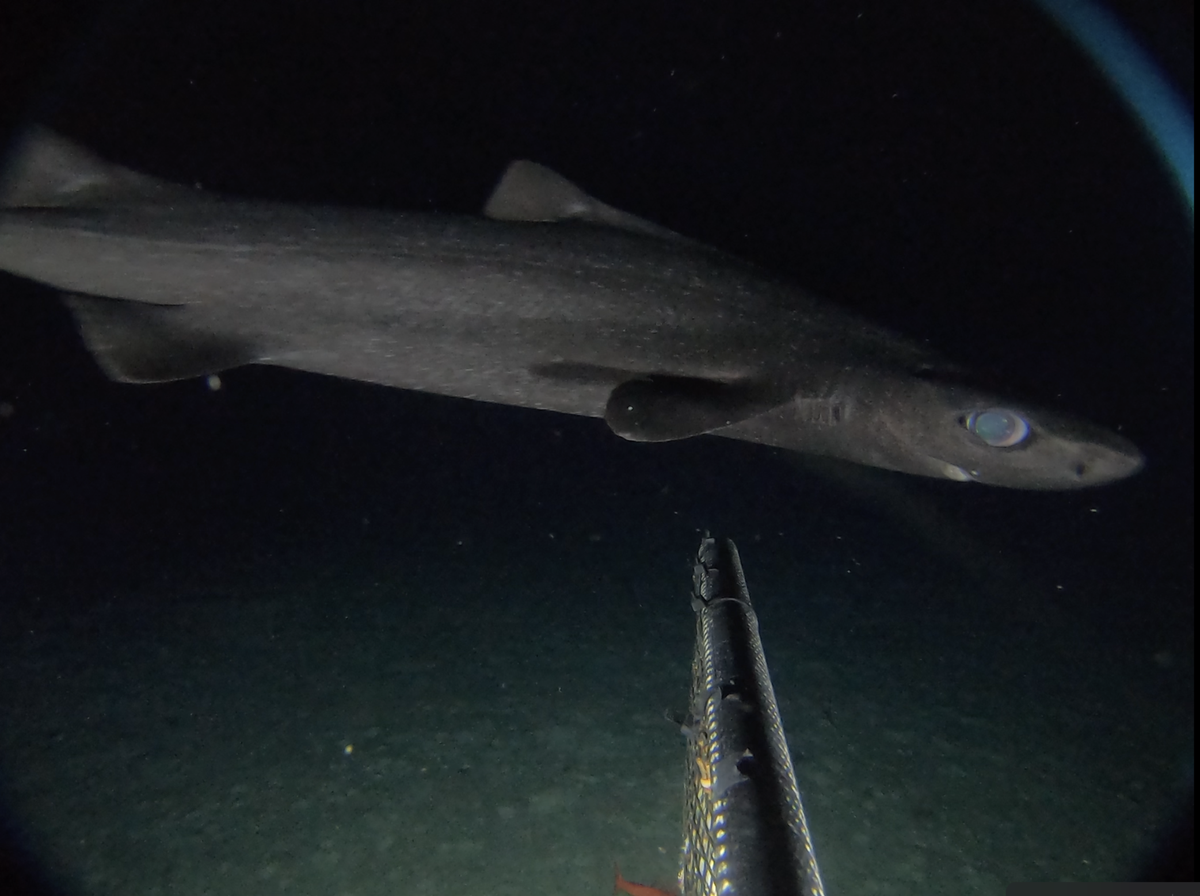
The roughskin dogfish sightings were “the first-ever record” of the species in the Cayman Islands and surrounding central Caribbean Sea, the study said.
Researchers said the shark sighting showed “the value of non-invasive survey methods for studying deep-sea biodiversity.”
Most records of roughskin dogfish are of dead sharks accidentally captured in “fisheries bycatch, deep-sea trawling nets, or crab pots,” the study said. Video footage of live sharks in their natural habitat could help expand scientific knowledge of the species’ biology and lifestyle.
The Cayman Islands are a British Overseas Territory and three-island archipelago south of Cuba and northwest of Jamaica.
The research team included Olivia Dixon, Shannon Aldridge, Johanna Kohler, Anne Veeder, Paul Chin, Teresa Fernandes, Timothy Austin, Rupert Ormond, Mauvis Gore, Diego Vaz and Austin Gallagher.
This story was originally published December 2, 2024 at 10:19 AM with the headline "‘Shadow’ passing by deep-sea camera turns out to be rarely seen predator. Take a look."