
Sharks now associate scuba divers with food, prompting alert in Caribbean, experts say
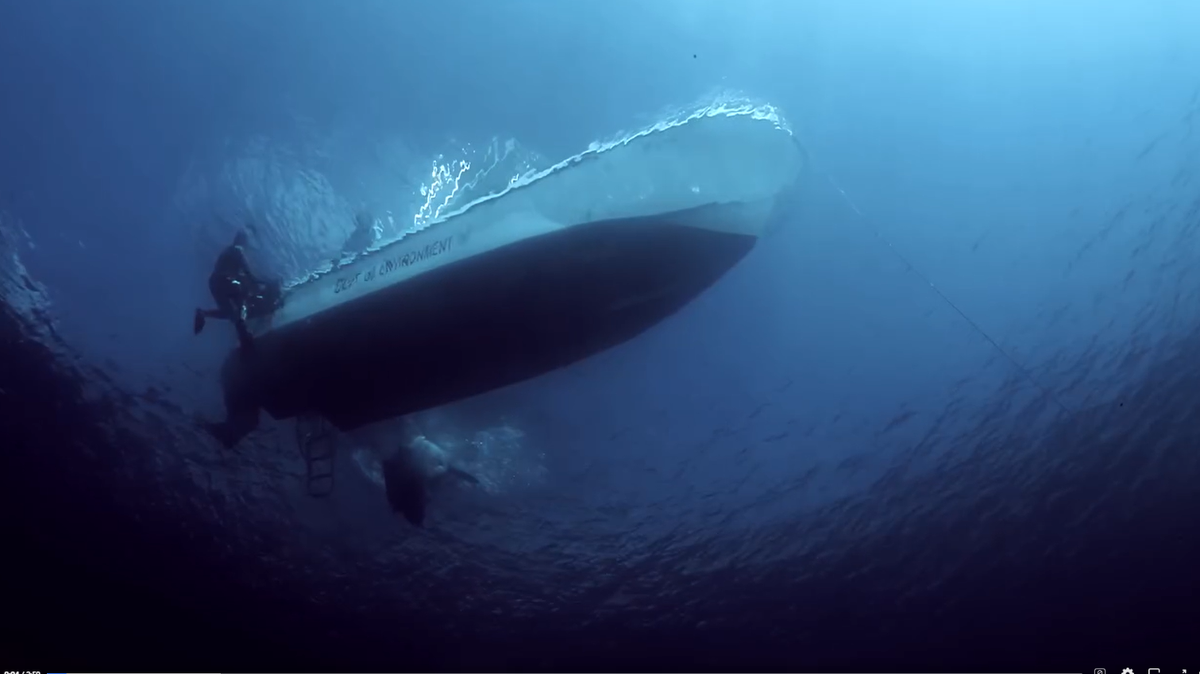
A series of disturbing shark encounters in the Caribbean Sea has revealed divers are apparently feeding dangerous sharks like ducks at the park.
It’s happening in the Cayman Islands, about 365 miles south of Key West, but the behavior could easily spread due to the migratory nature of some sharks.
The island issued a warning on Nov. 28, noting hungry sharks are approaching scuba divers with their mouths open.
“Recently the (Department of Environment) received a report of a shark closely approaching a scuba diver who carried a lionfish culling spear and empty bucket,” the department wrote in a news release.
“When the diver lifted the spear for self-defense, the shark opened its mouth. The diver used the spear to poke the shark inside the mouth and the shark calmly turned away. The diver poked the shark again on the side of the body and the shark left the area.”
The encounter shows “learned behavior” and indicates sharks have linked divers to free food and spears to utensils, officials said.
Details of the specific species involved were not released. There are 17 shark species in Cayman waters and the most common are the Caribbean reef shark, nurse shark and hammerhead shark, experts say.
It is illegal to feed sharks in Cayman waters. However, some tourism entrepreneurs see such encounters as great for business, including bigger tips, island officials said.
Shark feeding videos have become popular on Instagram, including a series of hand-feeding events filmed off Tiger Beach in the Bahamas.
“Sharks (and other predatory fish) conditioned to expect food from humans through feeding may become more assertive which puts both unsuspecting divers and sharks at risk of accidental injury,” Cayman Islands Shark Research Coordinator Dr. Johanna Kohler said in the release.
“An aggressive encounter may also prompt action for the animal to be removed, but it is not the shark’s fault. This is a human-made problem.”
Kohler believes sharks will easily abandon the behavior if divers stop offering food.
“Sharks are smart. If we stop offering food, they will learn it’s no longer an option,” she said.
Unprovoked attacks on humans are rare around the island, with only two confirmed by the International Shark Attack File.
This story was originally published December 10, 2024 at 4:25 AM with the headline "Sharks now associate scuba divers with food, prompting alert in Caribbean, experts say."