
Swords in mysterious places and medieval ‘hidey-hole’: See best ancient finds of 2024
The summaries below were drafted with the help of AI tools and edited by journalists in our News division. All linked stories were reported, written and edited by McClatchy journalists.
Throughout history, cultures have left behind a trail of illuminating breadcrumbs for archaeologists to follow. New sites and artifacts are found all the time, revealing forgotten secrets of the past.
Thousands of these discoveries were made in 2024. Here is a look at some of the most popular finds from the year:
Boys found rare silver treasure under church, kept it in box for 60 years — until now

In Norway, boys discovered rare 600-year-old silver coins under a church, which they kept for decades. The coins, dating from the 1300s to 1450s, are linked to a medieval burial mound. This find provides valuable insights into Norway’s medieval history and burial practices. | Published March 11 | Read More |
Farmer loses plow part in Polish field — then finds historic artifact during search

A Polish farmer searching for a lost plow part stumbled upon a rare Renaissance thaler coin. The coin, depicting two princes from the Duchy of Saxony, is a remarkable find far from its place of origin. This discovery raises questions about the coin’s journey to Poland. | Published April 10 | Read More |
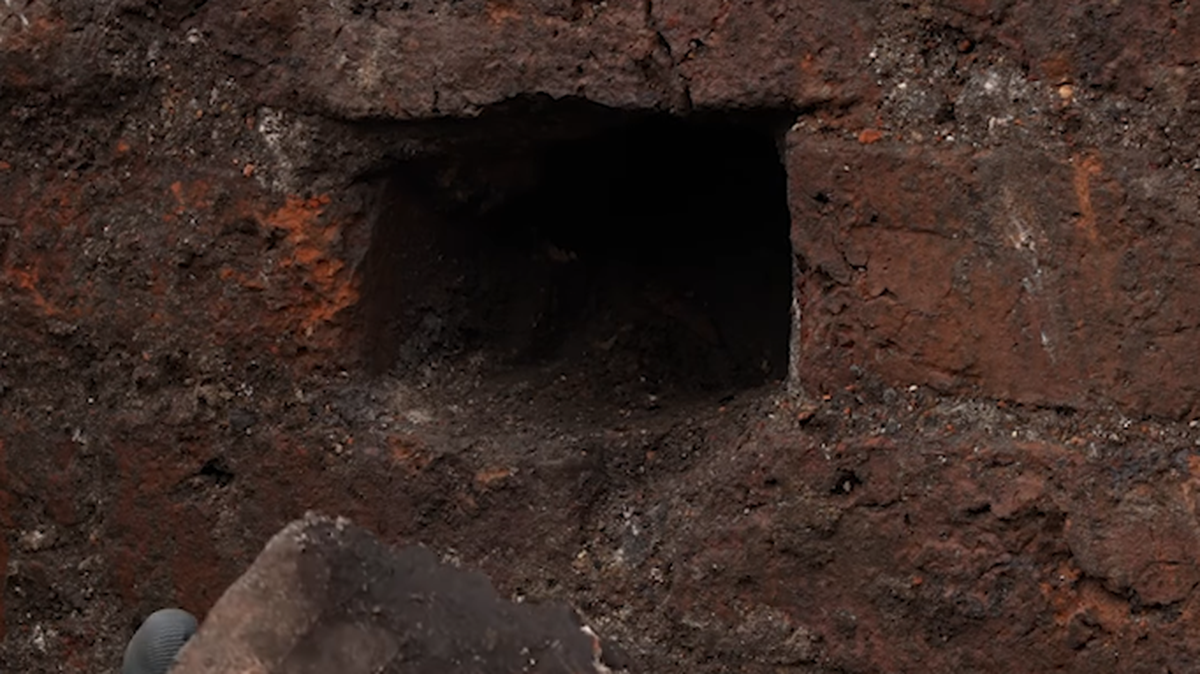
Workers unearth steelworks at medieval castle in UK — and find someone’s ‘hidey-hole’

Excavations at Sheffield Castle in the UK uncovered a 19th-century steelworks and a hidden “hidey-hole.” The site revealed a crucible furnace used for refining steel, along with personal touches left by workers. These findings offer insights into Sheffield’s industrial history and the lives of its workers. | Published April 26 | Read More |
600-year-old crown found in treasure-filled burial at park in Lithuania. Take a look

A 600-year-old crown and other treasures were found in a burial at Verkių Regional Park in Lithuania. The burial, belonging to a middle-aged woman, included jewelry and protective items. This discovery sheds light on medieval burial customs and social status. | Published May 17 | Read More |
Submerged log in Poland river turns out to be something much more historic. See it

A submerged log in Poland’s Narew River was identified as a 200-year-old dugout canoe. This large canoe, carved from a single tree trunk, reflects the ancient tradition of boat-making. The find adds to the understanding of historical transportation methods in the region. | Published Aug. 8 | Read More |
Sword found in 19th-century German cellar is something much older — and from far away

In Berlin, a sword discovered in a cellar turned out to be a Japanese wakizashi from the Edo period. The sword, featuring motifs of Daikoku, one of Japan’s seven gods of luck, may date to the 16th century. Its presence in Germany remains a mystery, possibly linked to historical diplomatic missions. | Published Aug. 26 | Read More |
Hiker finds strange item at melting glacier in Switzerland — and it stumps officials

A hiker in Switzerland found a mysterious bamboo contraption at a melting glacier, puzzling archaeologists. The 20th-century item, with bamboo wheels, remains unidentified but suggests a complex history. Its discovery raises questions about its origin and purpose. | Published Nov. 5 | Read More |
Museum worker swimming in river spots washed away sand — and makes medieval discovery
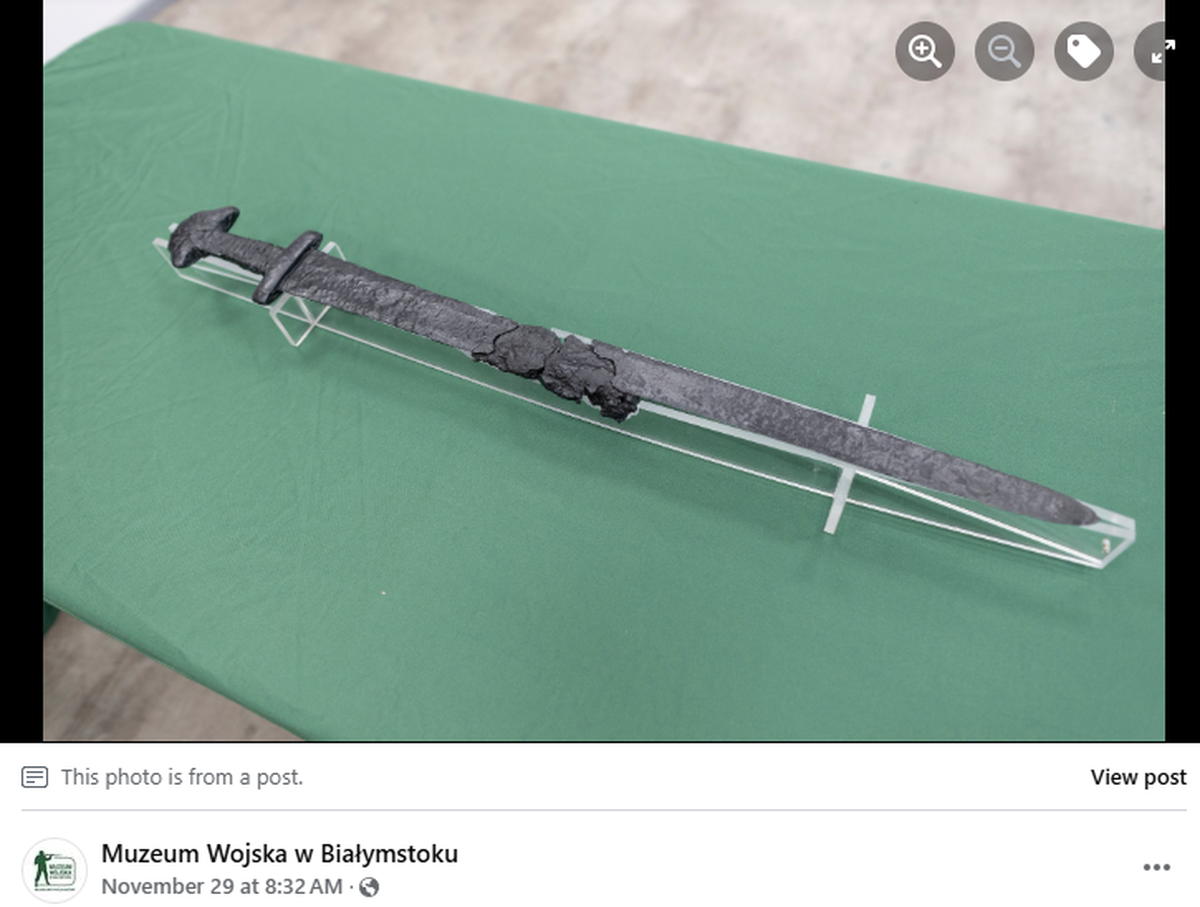
A museum worker swimming in the Supraśl River in Poland discovered a medieval sword dating to the ninth or 10th century. The sword, well-preserved by the river’s waters, is similar to those used by Vikings or Baltic people. The rare find adds to the limited number of similar weapons found in Poland. | Published Dec. 2 | Read More |
McClatchy News continues to follow the discovery of intriguing archaeological discoveries from around the globe. Check back to see the latest finds.
This story was originally published December 27, 2024 at 11:00 AM with the headline "Swords in mysterious places and medieval ‘hidey-hole’: See best ancient finds of 2024."