4-foot-long predator, kept in captivity for over a decade, discovered as new species
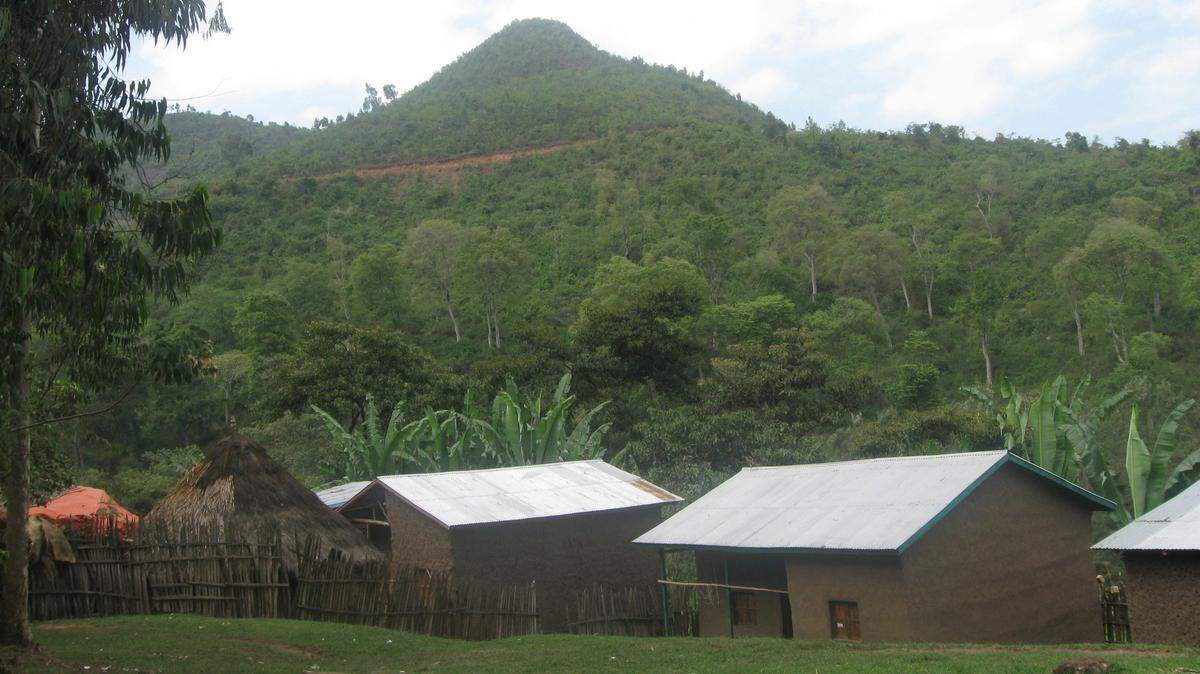
A scientist visiting Ethiopia in the 1980s found an olive-colored predator and decided to keep it. After its death almost 20 years later, the 4-foot-long animal caught the attention of another pair of scientists — and for good reason.
It turned out to be a new species.
Jakob Hallermann and Oliver Hawlitschek decided to try and sort out a “common” yet often misidentified group of snakes known as African House snakes, they wrote in a study published Jan. 13 in the peer-reviewed journal Zootaxa.
In hopes of identifying some overlooked species, researchers collected DNA samples from museums in several different countries and from newly caught snakes, the study said. The analysis showed that some of the snakes from Ethiopia were genetically distinct.
Researchers realized they’d discovered a new species: Boaedon broadleyi, or Broadley’s African house snake.
Broadley’s African house snakes can reach over 4 feet in length, the study said. They have olive green bodies, “creamy” bellies and “two short white stripes on the sides of the head.”
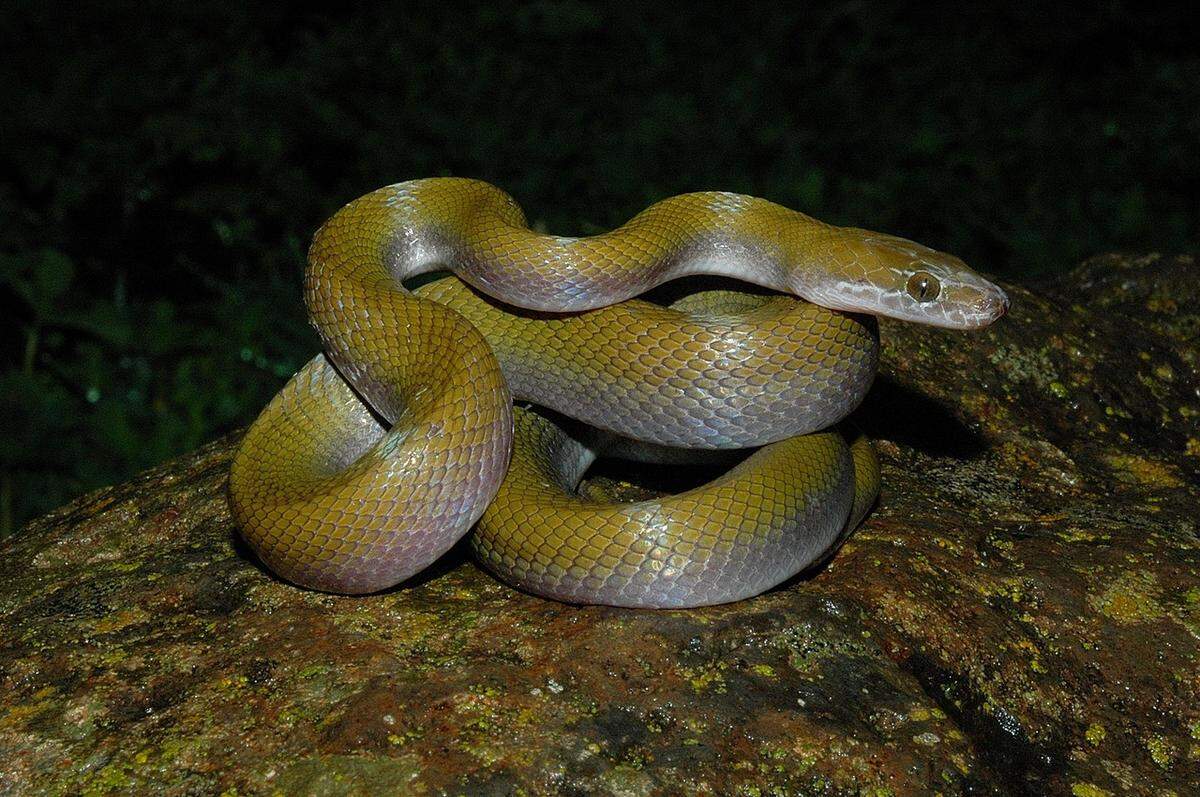
A photo shows the new species coiled up. Its coloring appears to match the surrounding rock.
Broadley’s African house snakes live in a variety of habitats, including woodlands and grasslands, from elevations of about 2,400 to 9,800 feet, the study said. One snake was caught in the late 1980s, kept in captivity until 2006 and then donated to a German museum.
The new species is a predator, mainly feeding on rodents but generally eating anything it can catch, co-author Hallermann told McClatchy News via email. It also lives in cultivated areas near villages and towns.
Researchers said they named the new species after Donald George Broadley, a “British born Herpetologist and emeritus curator of the Natural History Museum of Zimbabwe” who died in 2016, because of his “extensive work on African reptiles” and African house snakes.
Broadley’s African house snakes are “widespread across Ethiopia” and likely found in neighboring Somaliland, the study said.
The new species was identified by its DNA, coloring, scale pattern, body proportions and other subtle physical features.
The team also discovered a second new species of house snake in Somaliland.
This story was originally published January 13, 2025 at 12:02 PM with the headline "4-foot-long predator, kept in captivity for over a decade, discovered as new species."