‘Shy’ and ‘elusive’ mammals appear on trail cameras on island in Thailand. Take a look
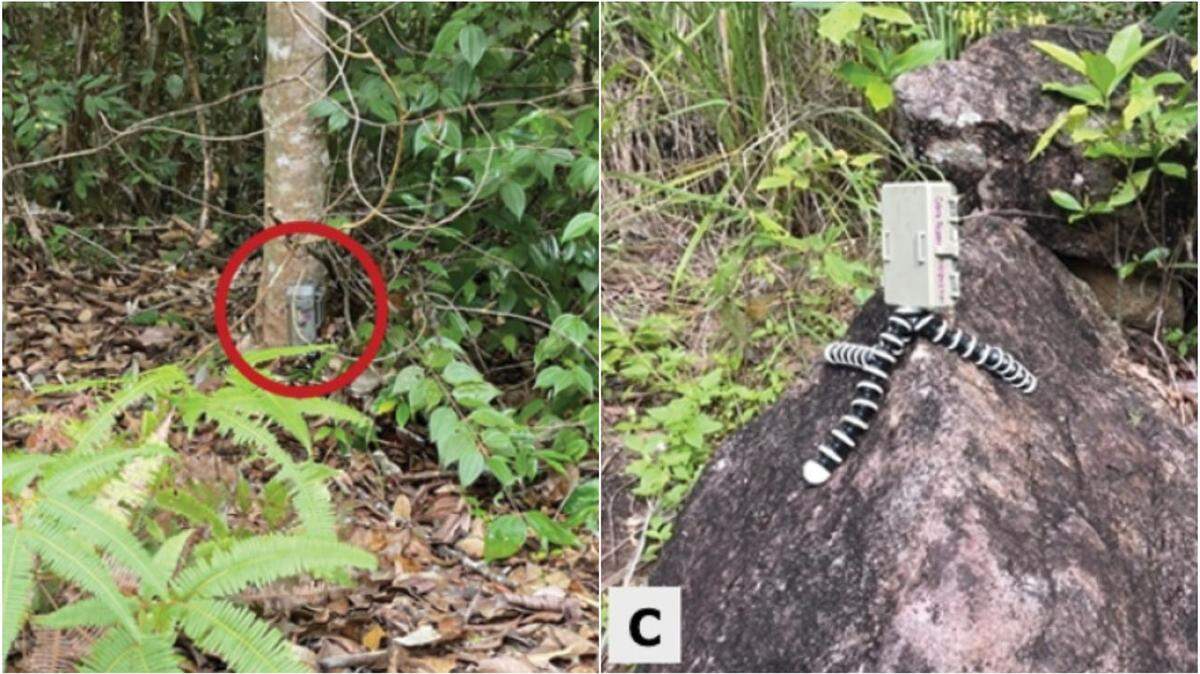
Trail cameras scattered across an island along the southeastern coast of Thailand photographed dozens of species, including several “shy” and “elusive” animals. Photos show the unique mammals.
A team of researchers spent over two years surveying the wildlife of Ko Pha Ngan, an island best “known for its vibrant festivities,” such as the monthly Full Moon Party, but also home to a national park with significant “ecological diversity,” according to a study published Feb. 25 in the peer-reviewed journal ZooKeys.
Researchers knew that most information about the island’s mammals had come from “antiquated records or unverified crowd-sourced platforms,” so they decided to change this.
The team set up dozens of trail cameras across the island’s urban areas, forests and protected areas to record passing animals, the study said. They also did bi-weekly in-person surveys focused on finding tree-dwelling animals and installed several different types of catch-and-release traps.
Their efforts paid off.
In total, the surveys documented 28 mammal species — 19 of which were new records for the island, the study said.
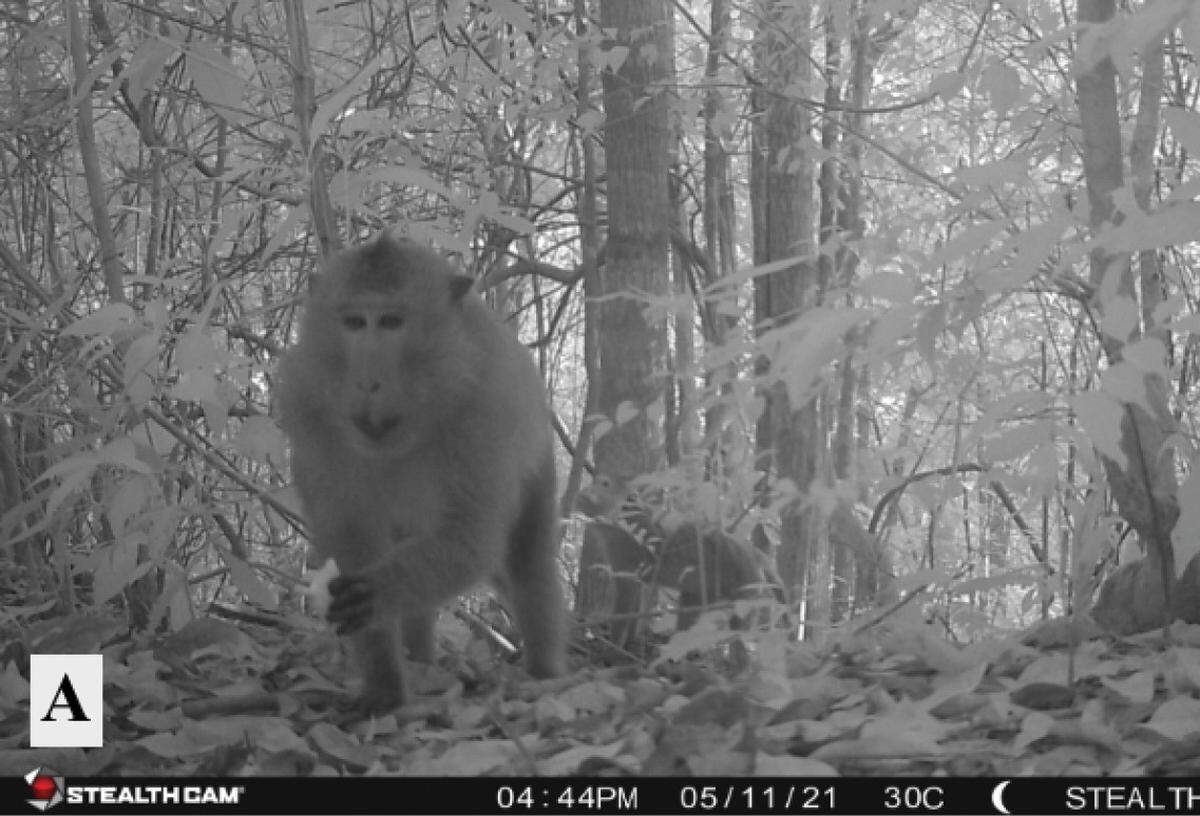
The most commonly seen animal was the long-tailed macaque, researchers said. The island has one well-known macaque troop which “stays near the road and residential areas as humans intentionally leave food items,” but the other troops were “very well hidden in the forest areas.”
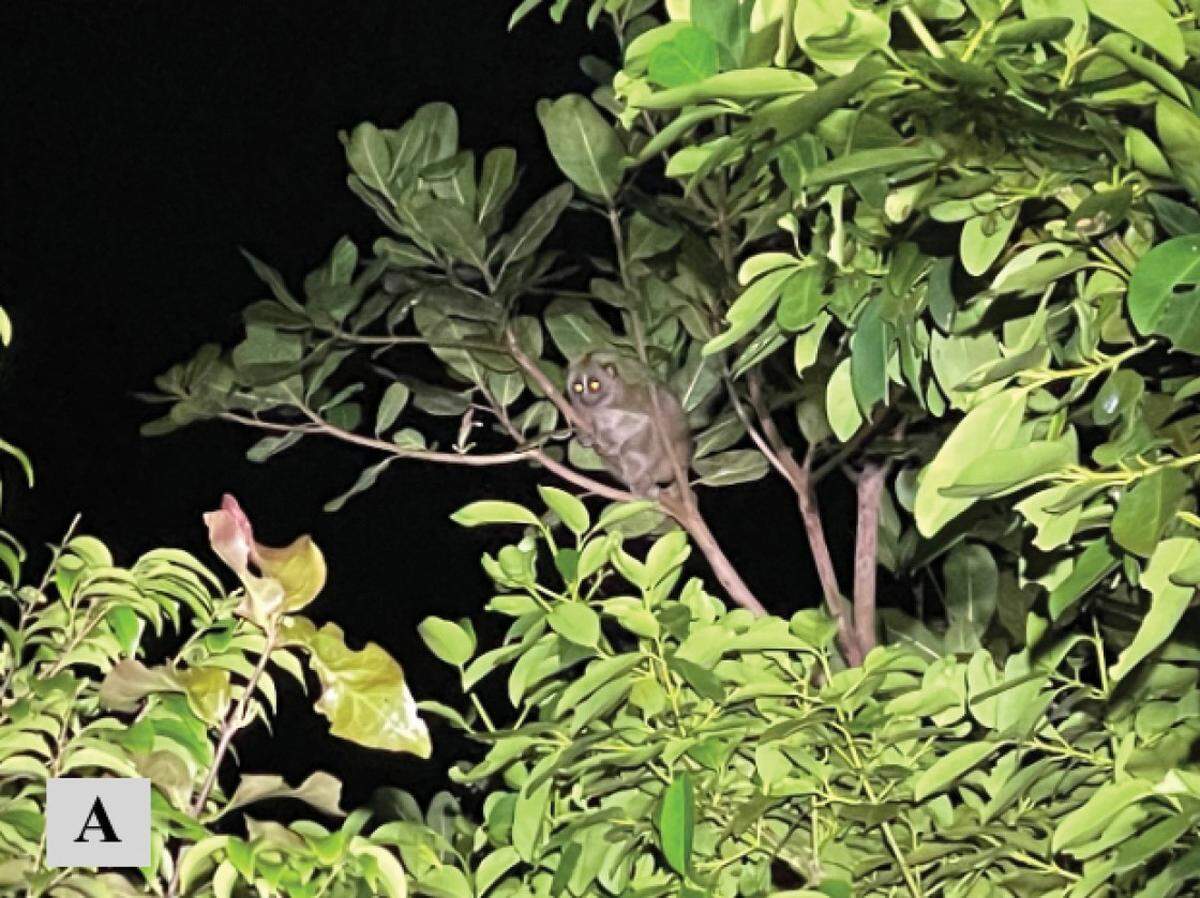
The second most commonly seen animal was the Sunda slow loris, a “globally endangered species,” the study said. A photo shows one of these “solitary” primates and its “distinct eyeshine.”
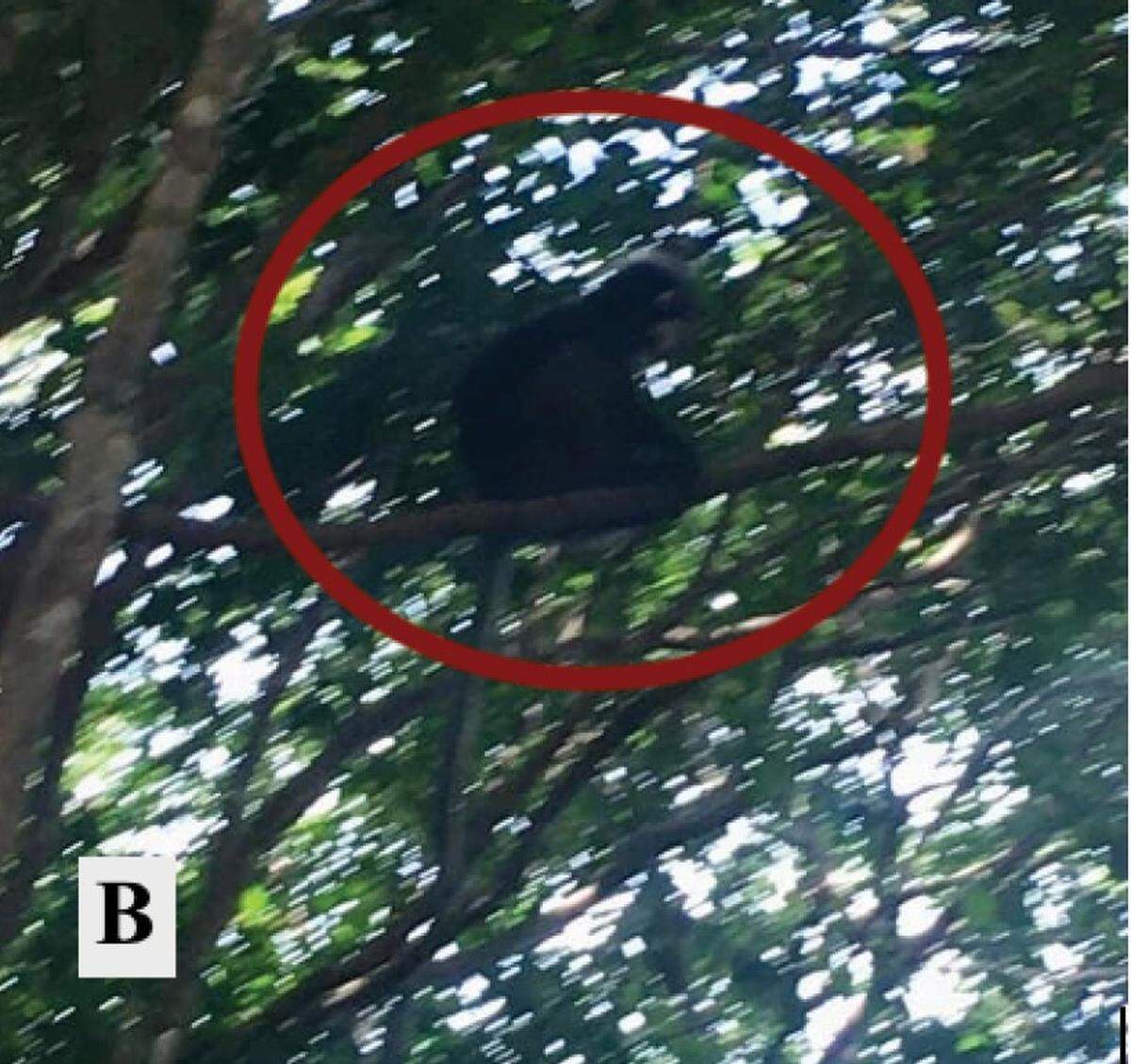
On one occasion, researchers photographed an “elusive” dusky leaf monkey, a near threatened species with a “shy nature,” the study said.
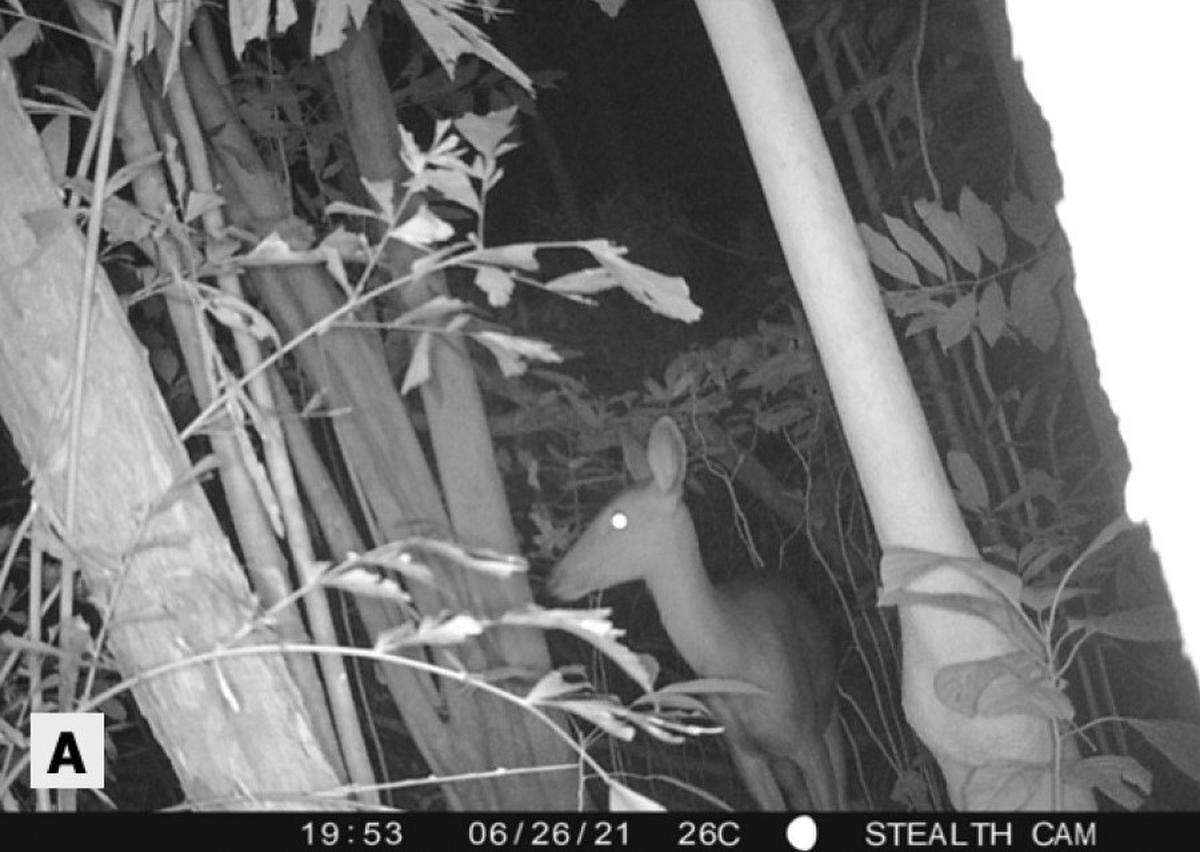
Trail cameras also recorded a few sambar deer, a vulnerable species that feeds on “a variety of plants including trees, shrubs, and grasses,” researchers said. A photo shows the female deer.
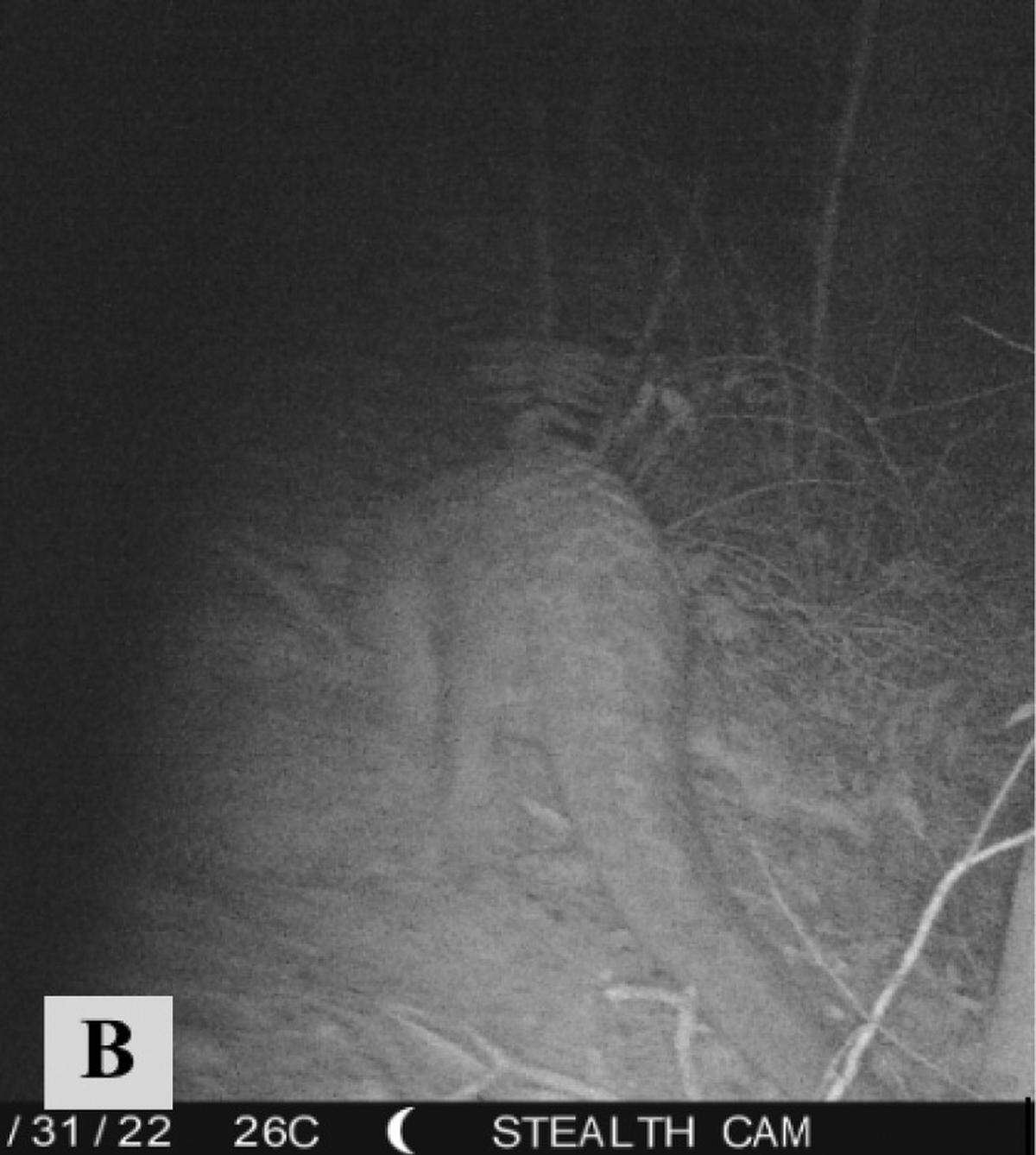
The most at-risk species documented in the survey was a Sunda pangolin, a critically endangered mammal with sought-after scales, the study said. A trail camera photo shows the pangolin’s back.
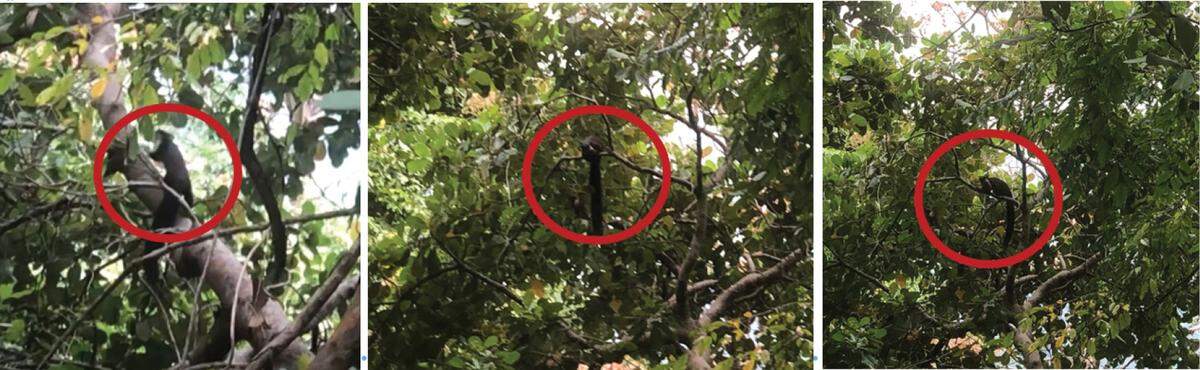
The other sightings of at-risk mammals included the giant black squirrel and island flying fox, both near threatened species, researchers said. The survey also recorded civets, wild boars, other squirrel species, several rat and shrew species, a variety of bats and a mongoose.
Based on their findings, researchers concluded that the island’s “conservation strategies should focus on preserving national park forest areas and limiting further (human) encroachment into these critical habitats.”
Ko Pha Ngan is in the Gulf of Thailand and roughly 280 miles southwest of Bangkok.
The research team included Dawn Cook-Price, Olga Petko, Sunchai Makchai, Taksin Artchawakom and Pongthep Suwanwaree.
This story was originally published February 26, 2025 at 1:10 PM with the headline "‘Shy’ and ‘elusive’ mammals appear on trail cameras on island in Thailand. Take a look."